How Climate Change is Worsening Reproductive Health Risks for Women and Girls

New studies reveal growing threats of extreme weather to adolescent girls in Kenya and rising cancer risks among women in the Middle East and North Africa.
Climate change isn’t just an environmental crisis, it’s an escalating public health emergency, especially for women and adolescent girls. From Kenya to the Middle East and North Africa, scientists are uncovering the hidden toll that rising temperatures, water scarcity, and extreme weather are taking on sexual and reproductive health.

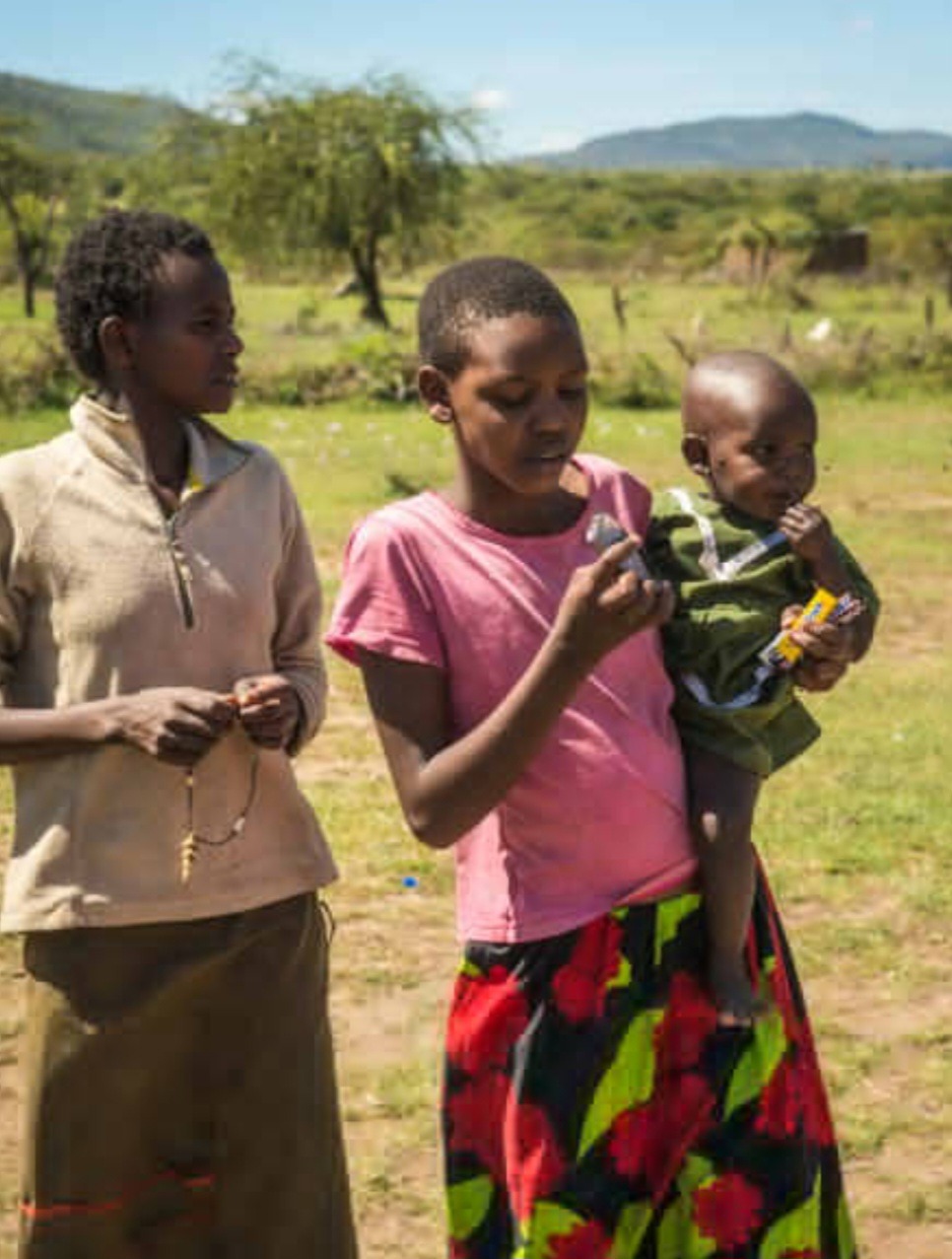
A new study published in BMJ Global Health sheds light on how climate-related disruptions are placing young Kenyan adolescents, particularly girls aged 10 to 14 at heightened risk of early pregnancy, school dropout, gender-based violence, and transactional sex. The research, led by the University of Toronto in partnership with local organizations, explored six climate-affected regions across Kenya: Mathare, Kisumu, Isiolo, Naivasha, Kilifi, and the Kalobeyei Refugee Settlement.
“Girls told us about the shame of not having clean clothes or menstrual supplies and how it led them to skip school or engage in exploitative relationships just to survive,” said Aryssa Hasham, one of the study’s co-authors. “These aren’t isolated stories—they reflect systemic vulnerabilities made worse by climate stress.”
Researchers conducted interviews, focus groups, and participatory mapping with nearly 300 participants. The findings revealed that droughts and floods undermined food security and schooling, forcing some into the streets or unsafe sexual encounters. Water shortages increased the risks of harassment and violence at collection points. Poor sanitation left many girls exposed to coercion in exchange for menstrual hygiene products.
Dr. Julia Kagunda, Director of Elim Trust and co-author of the study, emphasized the urgency of crafting climate-informed sexual and reproductive health (SRH) programs: “We need adolescent-centred and gender-transformative interventions that address the structural roots of insecurity. This is about protecting young people’s futures.”
Meanwhile, in a separate study focusing on the Middle East and North Africa (MENA), researchers found alarming links between rising heat and an increase in female cancers. Published in Frontiers in Public Health, the research analyzed data from 17 MENA countries and found that as temperatures increased, so did rates of breast, ovarian, uterine, and cervical cancer.
“With every degree of temperature rise, we saw a modest but statistically significant increase in cancer prevalence and mortality,” explained Dr. Wafa Abuelkheir Mataria from the American University in Cairo. “Over time, these small shifts add up to a substantial public health burden.”
The study compared cancer data from 1998 to 2019 with regional temperature changes, underscoring how women in climate-vulnerable nations may face mounting health risks that current public health systems are ill-equipped to manage.
Both studies make clear: the climate crisis is not gender-neutral. It amplifies existing inequalities, particularly for women and girls in low-resource environments. As the world heats up, so does the need for urgent, gender-responsive climate policies that prioritize health, safety, and dignity.
“We must stop viewing climate change as a distant threat,” Dr. Kagunda urged. “For many girls and women, it’s already a daily reality—with life-altering consequences.”