
What could the nearest future look like, who knows?
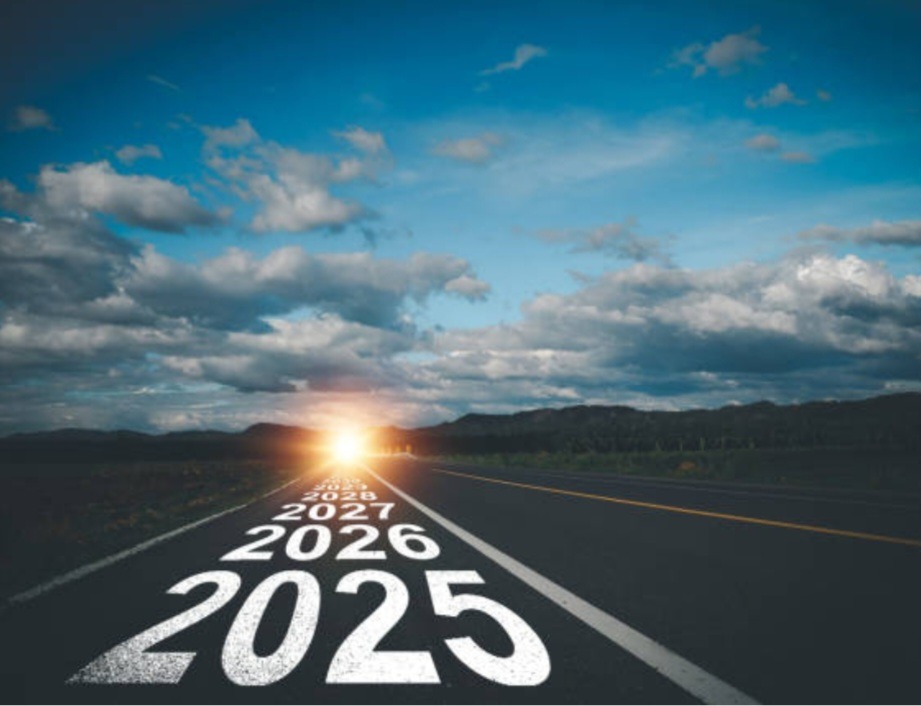
As 2025 approaches, predictions from mystics Nostradamus and Baba Vanga have sparked global intrigue and anxiety.
Nostradamus, known for his cryptic quatrains, foresaw wars in Europe, natural calamities, and possibly, the rise of a new global power. Baba Vanga, on the other hand, envisioned a world grappling with unprecedented challenges—from potential alien encounters to advances in telepathy. Despite widespread skepticism, both mystics have been credited with eerily accurate prophecies in the past, including major global events like 9/11 and the rise of world leaders. Could their forecasts for 2025 hold some truth, or are they mere speculation?
These predictions, though bleak, provide an interesting reflection of societal fears. Nostradamus pointed towards a “cruel war” affecting Europe, and some interpret this as an escalation in existing conflicts. His forewarning of a plague has raised concerns about pandemics, though it could symbolize something else—economic or political threats. Meanwhile, his mention of natural disasters in Brazil, including floods and volcanic activity, has raised alarms, particularly given the growing concerns over climate change.
Baba Vanga’s foresight for 2025 hints at apocalyptic scenarios. She predicted a conflict in mainland Europe triggering worldwide chaos, drawing parallels with Nostradamus’s vision. Her prophecies extend beyond war, suggesting encounters with extraterrestrials and technological leaps such as telepathy. While these ideas may seem far-fetched, advancements in artificial intelligence and neuroscience do make aspects of her vision plausible.
The connection between these two mystics lies in their past predictions. Nostradamus, whose works date back over four centuries, is said to have predicted events like the Great Fire of London, the rise of Hitler, and the atomic bombings. Baba Vanga, who lived in the 20th century, is credited with forecasting events like the 9/11 attacks, Princess Diana’s death, and the election of the first Black U.S. president. Such claims, though often debated, have bolstered their reputations as prophetic figures.
Looking at natural calamities, Nostradamus warned of an “Aquatic Empire,” alluding to catastrophic floods that could reshape coastal landscapes. This aligns with growing concerns over rising sea levels and extreme weather patterns. Meanwhile, the Brazilian forecasts suggest a region vulnerable to disaster, bringing to light existing environmental issues in South America.
Baba Vanga’s forecast extends into the realms of the extraordinary, predicting potential alien encounters at major global events, possibly even a Martian confrontation. While the idea of aliens might seem more science fiction than prophecy, recent discussions on unidentified aerial phenomena by credible institutions lend a curious layer of credibility to such claims. Additionally, she believed humanity might perfect telepathic communication—perhaps a nod to future breakthroughs in communication technologies.
Historically, the legacies of Nostradamus and Baba Vanga are mixed. Critics often point out the ambiguity of their predictions, which can be interpreted in numerous ways, fitting various events over time.
For instance, Nostradamus’s writings about war could apply to several conflicts over the centuries, not just a specific event in 2025. Similarly, Baba Vanga’s predictions, though seemingly precise, have sometimes failed to materialize, which fuels skepticism.
Despite the skepticism, the cultural fascination with these figures remains strong. The idea that someone could foresee the future, no matter how cryptic, resonates with those seeking answers in uncertain times. Nostradamus’s literary style of veiled quatrains has been dissected over the years, with many trying to match his words to modern events. Baba Vanga’s predictions, delivered orally, carry the weight of a figure who lived through significant global turmoil, adding to her mystique.
As the world moves closer to 2025, the focus on these predictions reflects deeper societal anxieties about geopolitical tensions, climate change, and the unknowns of technological advancement.
These mystics’ legacies remind us of humanity’s quest to understand and, perhaps, control what lies ahead. Whether their forecasts come to fruition or remain speculative, they offer a mirror to the hopes and fears of modern society.
What’s next?