
It’s the international day of the girl child but the issues affecting this rung of the society happens every day and are mostly left unattended.

In many parts of the world, girls still face significant barriers to quality education. Whether due to poverty, cultural norms, or conflict, millions of girls are denied the chance to learn, develop, and thrive. As digital technology reshapes our lives, the gender gap in tech skills and access grows. The 2024 focus on digital inclusion seeks to empower girls by ensuring they have the tools and knowledge to participate in this rapidly evolving world.
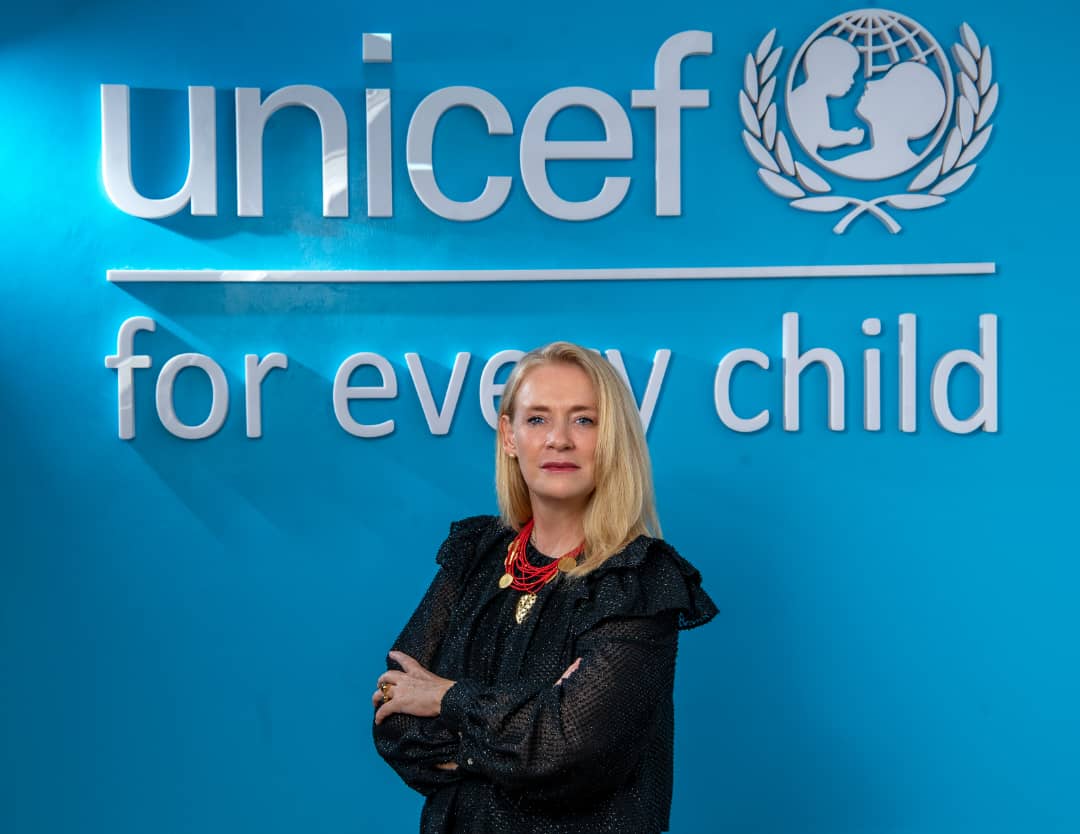
As the world marks the International Day of the Girl Child on October 11, Celine Lafoucriere, Chief of UNICEF’s Field Office for south-west Nigeria, has called for greater attention to the rights of girls. In a recent message, she stressed the importance of celebrating girls, amplifying their voices, and advocating for their rights.
 Lafoucriere stressed that this day belongs not just to girls, but to everyone dedicated to ensuring a future where girls are protected, respected, and empowered.
This year’s theme, “Girls’ Vision for the Future,” aligns with UNICEF’s findings, which highlight the resilience and hopefulness of girls worldwide. Despite the many obstacles they face, girls continue to take bold steps toward a future where their rights are fully recognized. “We see girls taking action every day to realize the vision of a world where all girls are protected, respected, and empowered,” Lafoucriere noted.
Lafoucriere pointed out that being a girl still significantly limits opportunities for millions across the globe.
She also revealed alarming statistics: one in five young women were married as children, nearly one in four adolescent girls in relationships face abuse, and girls account for 75% of new HIV infections among adolescents. Moreover, one in three adolescent girls suffers from anemia, and almost double the number of girls compared to boys are not receiving education or training.
Despite these stark realities, Lafoucriere remains optimistic, stating that change is possible with the right support and resources. However, she explained that girls cannot bring about this change alone. “They need allies who listen to and respond to their needs – like you and me,” she said, calling for collective action to create a world where girls can thrive.
Lafoucriere maintained that by reinforcing the idea that empowering girls benefits everyone.
“When girls achieve their goals, we all move closer to achieving our global goals,” she said, urging stakeholders to take meaningful steps to support girls in realizing their full potential.
The Issues Facing The Girl Child in Nigeria
The Nigerian girl child continues to face numerous challenges that hinder her potential and development. Despite some progress, critical issues persist that need urgent attention:
Limited Access to Quality Education
While Nigeria has made efforts to improve education, millions of girls still lack access, particularly in the northern regions where cultural norms, early marriages, and insurgencies like Boko Haram have disrupted schooling. Many girls drop out before completing primary education, perpetuating cycles of poverty and inequality.
Child Marriage
Nigeria has one of the highest rates of child marriage globally, with over 43% of girls married before the age of 18. This practice is especially prevalent in rural and northern regions, where girls are often forced into early marriages, depriving them of education and opportunities for personal growth. Child marriage often leads to early pregnancies, with significant health risks.
Gender-Based Violence
The girl child in Nigeria faces various forms of violence, including domestic abuse, sexual exploitation, and human trafficking. Gender-based violence remains underreported due to cultural stigmas and weak law enforcement. The rise of online spaces has also led to an increase in cyberbullying and digital harassment targeting girls.
Lack of Access to Healthcare
Healthcare for girls in Nigeria remains inadequate, particularly in rural areas. Reproductive health services are often inaccessible, contributing to high rates of maternal mortality among teenage mothers.
Also, malnutrition and poor menstrual health management due to lack of sanitary products continue to affect girls’ well-being.
Digital Exclusion
The digital gender divide remains a significant challenge. Girls in Nigeria have less access to technology and digital literacy compared to boys, limiting their ability to engage in the evolving global economy. This lack of digital inclusion further widens economic and social inequalities.
Cultural and Religious Barriers
Deep-seated cultural norms and religious beliefs often place restrictions on girls, affecting their education, freedom of movement, and ability to make decisions about their own lives. These cultural practices reinforce stereotypes that limit the girl child’s potential to contribute meaningfully to society.
Human Trafficking
Nigeria remains a hub for human trafficking, with girls and young women often lured into domestic servitude, prostitution, or forced labor. Many are trafficked across borders or within the country, particularly from poorer regions, with promises of better opportunities.
Unemployment and Economic Inequality
Even when girls complete their education, they often face economic barriers and discrimination in the workforce. Nigeria’s job market is challenging, and gender biases mean that girls and women are often underrepresented in leadership roles and high-paying jobs.
Harmful Traditional Practices
Despite legal frameworks, harmful practices like female genital mutilation (FGM) continue to persist in some parts of Nigeria. These practices not only cause physical harm but also psychological trauma, limiting girls’ futures.
The Way Forward
Addressing these issues requires a collective effort from the government, civil society, and international organizations. Policies that protect and empower girls, coupled with grassroots advocacy and community engagement, are crucial. By investing in the education, health, and economic empowerment of the Nigerian girl child, the country can unlock a future where girls have equal opportunities to thrive and lead.
On this International Day of the Girl Child, let’s be reminded that when we empower girls, we shape the future of the world. It’s time to break the cycles of inequality and give girls the tools they need to lead.