Oscar Winning Dench Says Macular Degeneration Has Left Her Unable to Act or Read

Veteran British actress Dame Judi Dench has revealed that age-related macular degeneration has severely affected her eyesight, leaving her unable to perform on stage, act in films or read.
The 91-year-old Oscar winner, who was diagnosed with the eye condition in 2012, said her deteriorating vision had made everyday activities increasingly difficult, including recognising familiar faces.
Speaking to Emma Barnett on BBC Radio 4’s Today programme, Dench said: “I can’t be on stage. I can’t do a play anymore. I can’t do a film anymore. I can’t read anymore.”
She also described awkward encounters caused by her limited vision, explaining that she sometimes approaches people and nearly embraces them before realising she has mistaken their identity.
Asked about growing older, the celebrated actress said she preferred not to dwell on it.
“There’s nothing to say for it at all. I don’t think about it too much,” she said.
Dench’s career spans more than seven decades across theatre, television and cinema. She made the remarks while discussing her memoir, Is It Too Late to Make a Run for It?, written with theatre director Brendan O’Dea.
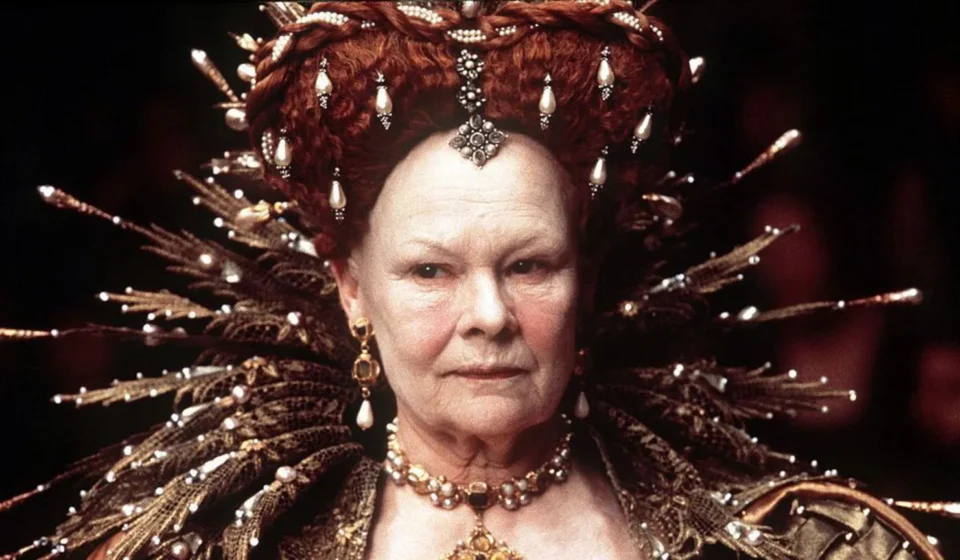
She won the Academy Award for Best Supporting Actress in 1999 for her portrayal of Queen Elizabeth I in Shakespeare in Love. She also became internationally renowned for playing MI6 chief “M” in the James Bond franchise, making her debut in the role in GoldenEye in 1995.
However, her sight loss has increasingly restricted her professional life. Dench has previously spoken about the challenges of working on film sets and memorising scripts as her vision deteriorates.
Despite these difficulties, she has continued to make public appearances and discuss how she is adapting to life with the condition. She has also spoken about the importance of radio in her life.
During the interview, Dench recalled an occasion when former MI6 chief Sir David Spedding invited her to lunch. She described the invitation as exciting but arrived about 20 minutes late after the driver sent to collect her struggled to locate her home.
Recalling the incident, she said she apologised for her lateness, adding that she found the experience amusing.
Asked who she would like to see play James Bond next, Dench offered a brief response: “No.”
The actress also reflected on meeting American actor Sidney Poitier, who became the first Black man to win the Academy Award for Best Actor in 1964.
Dench was performing in Amy’s View in New York when Poitier visited her backstage. She recalled that director Richard Eyre was in her dressing room discussing the performance when someone knocked at the door.
Describing Poitier’s entrance, she said she felt as though she were in a wind tunnel.
“It was thrilling,” she recalled, adding that she had been so taken aback that she struggled to say much to the actor, whom she described as charming and very tall.
Dench also spoke fondly about her lifelong admiration for William Shakespeare, recalling how her interest in the playwright began when she was nine and watched her brother perform as King Duncan in Macbeth.
She remembered being captivated when he delivered the line, “What bloody man is that?”
“I thought, ‘Oh my God, this is for me’,” she said.
The actress also described herself as “besotted” with Shakespeare’s sonnets, praising their rhythm and emotional simplicity.
“It’s the rhythm of it. It’s the rhythm of your heart,” she said, explaining how the playwright captured the feelings people experience in everyday life.
Age-related macular degeneration affects the macula, the part of the retina responsible for central vision. It can make activities such as reading, recognising faces and seeing fine details increasingly difficult.