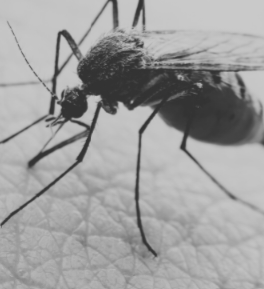

 As climate change reshapes the environment, it may also be reshaping one of the world’s oldest public health threats: the mosquito.
There are warnings that rising temperatures, changing rainfall patterns, rapid urbanisation and growing insecticide resistance are making mosquito-borne diseases increasingly difficult to control, particularly in Africa.
For instance, a global health consultant and Environmental Health Science specialist, Emmanuel Agogo raised the concern in an interview with the News Agency of Nigeria (NAN) in Abuja to mark the 2026 World Mosquito Day.
Agogo said mosquitoes remained among the most significant public health threats globally because they transmit diseases including malaria, dengue, yellow fever, chikungunya and Zika.
But the problem is becoming more complicated. According to him, mosquito populations are developing resistance to commonly used insecticides at the same time that changing climatic conditions are creating new opportunities for their survival and spread.
“The increasing resistance of mosquito vectors to commonly used insecticides is weakening the effectiveness of established interventions, including insecticide-treated bed nets and indoor residual spraying,” he said.
Pyrethroid resistance, in particular, is becoming a major concern. For years, pyrethroid-based insecticides have played an important role in malaria prevention, especially through treated mosquito nets. But continued reliance on the same chemicals could gradually reduce their effectiveness as mosquitoes adapt.
Agogo therefore called for stronger insecticide-resistance surveillance so that health authorities can identify emerging resistance patterns early and adjust mosquito-control strategies accordingly.
Climate change adds another layer to the problem. Mosquitoes are highly sensitive to environmental conditions. Changes in temperature and rainfall can influence their breeding, survival and ability to transmit disease. As some areas become warmer or wetter, conditions may become more favourable for mosquitoes in places where they were previously unable to thrive.
“Climate change is an important factor influencing the spread and transmission of mosquito-borne diseases,” Agogo said, noting that changing temperatures, rainfall patterns and other environmental conditions could create new breeding opportunities and extend the geographical range of mosquitoes.
That does not mean climate change alone causes malaria or other mosquito-borne diseases. Disease transmission depends on a combination of factors, including mosquito species, pathogens, human behaviour, housing, healthcare access and environmental conditions.
But a changing climate can alter the conditions under which those factors interact.
Africa remains at the centre of the malaria crisis. The World Health Organisation estimated that 282 million malaria cases and 610,000 deaths occurred globally in 2024, with the African Region accounting for about 95 per cent of both cases and deaths.
Rapid urbanisation is also complicating mosquito control. As cities expand, inadequate drainage, poor waste management and stagnant water can create ideal breeding environments. Discarded tyres, uncovered containers, blocked gutters and poorly managed water-storage facilities can all provide places for mosquitoes to reproduce.
Agogo stressed that water, sanitation and hygiene interventions therefore remain an important part of mosquito control.
Households and communities, he said, should regularly remove stagnant water from containers, gutters, discarded tyres and other potential breeding sites.
The responsibility, however, cannot rest entirely on individuals. Effective mosquito control also requires functioning drainage systems, proper waste management, reliable water infrastructure and coordinated public-health surveillance.
One of the emerging concerns is Anopheles stephensi, an invasive mosquito species that has established itself in parts of Africa.
Unlike many traditional malaria vectors that are more closely associated with rural environments, Anopheles stephensi is well adapted to urban settings. Its emergence therefore raises particular concerns as African cities continue to grow.
Agogo said the mosquito also carries insecticide-resistance traits, potentially making malaria control even more difficult.
The emergence of new mosquito species highlights the importance of entomological surveillance: monitoring mosquito populations, their behaviour, geographic distribution and resistance patterns.
The earlier health authorities detect changes, the greater the opportunity to respond before transmission becomes widespread.
The mosquito problem is also no longer simply a malaria problem. Dengue is expanding in many parts of the world, with climate conditions, urbanisation and population movement influencing where transmission occurs.
This means public-health systems need to look beyond a single disease and develop integrated mosquito-control strategies capable of responding to multiple threats.
Technology may provide some additional tools. Agogo pointed to Wolbachia, a biological control method being deployed in several countries. The approach involves introducing naturally occurring Wolbachia bacteria into mosquito populations in ways that can reduce their ability to transmit certain viruses.
He cited the World Mosquito Programme as saying that its Wolbachia method had been used to protect almost 16.1 million people globally.
Next-generation insecticide-treated mosquito nets are another important development, particularly as conventional insecticides become less effective against resistant mosquito populations.
World Mosquito Day is observed every August 20 to commemorate Sir Ronald Ross’s 1897 discovery that female Anopheles mosquitoes transmit malaria parasites.


