Despite persistent economic pressures, rising living costs, insecurity and governance challenges confronting the country, there are new projections suggesting that Nigeria could emerge as one of the world’s dominant economic powers in the coming decades.
According to the Economic Community of West African States Commission, Nigeria has the potential to become the world’s fifth richest and most powerful economy within the next 50 years, driven largely by its economic influence, population strength and regional market opportunities.
The projection was presented by Kalilou Sylla during the 2026 First Ordinary Session of the ECOWAS Parliament in Abuja.
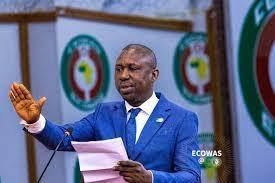
Sylla said the forecast was based on projections attributed to the United Nations and other international academic institutions, which anticipate major economic shifts across West Africa over the coming decades.
He explained that while Nigeria could potentially rise into the ranks of the world’s leading economies within half a century, countries such as Ghana and Côte d’Ivoire could also witness significant economic advancement, with both projected to rank among the world’s 15 richest nations within the next 25 years.
Sylla further suggested that Côte d’Ivoire could eventually surpass France economically within 70 years, a claim likely to generate debate considering France currently remains one of the world’s largest economies by gross domestic product.
Nigeria presently retains its position as Africa’s largest economy by GDP and continues to account for a substantial share of West Africa’s economic activity, exports and banking operations.
Over the past decade, Nigerian financial institutions have expanded aggressively across the region, strengthening the country’s influence within the sub-regional financial system.
However, Sylla argued that Nigeria’s future growth may depend less on traditional global markets and more on strengthening regional economic integration within West Africa.
“It is not the American or English markets that will let the Nigerian market grow, but the sub-regional markets,” he told lawmakers.
He urged Nigerian policymakers to develop stronger economic frameworks around regional trade, movement of goods and market accessibility.
There are arguments that the implementation of regional trade mechanisms and deeper economic cooperation could provide Nigeria with opportunities to diversify away from excessive dependence on oil revenues while expanding manufacturing and export capacity.
The ECOWAS Parliament session, held between May 4 and May 17 in Abuja, focused on economic cooperation, governance and regional trade at a period when many West African countries continue to face inflationary pressures, political uncertainties and the impact of slower global economic growth.
While long-term forecasts often remain speculative and depend heavily on political stability, infrastructure development and economic reforms, the projections nevertheless present a more optimistic narrative for Nigeria at a time when public conversations are largely dominated by concerns over hardship and economic uncertainty.
The bigger question may not be whether Nigeria possesses the potential for such growth, but whether the policies and institutions required to realise it can be built and sustained over time.
https://africa.businessinsider.com/local/markets/nigeria-to-become-worlds-5th-richest-country-cote-divoire-to-overtake-france/kx20kdl
ECOWAS Projects Nigeria Among World’s Top Economies in Coming Decades
Despite persistent economic pressures, rising living costs and governance challenges confronting the country, new projections suggest that Nigeria could emerge as one of the world’s dominant economic powers in the coming decades.
According to the Economic Community of West African States Commission, Nigeria has the potential to become the world’s fifth richest and most powerful economy within the next 50 years, driven largely by its economic influence, population strength and regional market opportunities.
The projection was presented by Kalilou Sylla during the 2026 First Ordinary Session of the ECOWAS Parliament in Abuja.
Sylla said the forecast was based on projections attributed to the United Nations and other international academic institutions, which anticipate major economic shifts across West Africa over the coming decades.
He explained that while Nigeria could potentially rise into the ranks of the world’s leading economies within half a century, countries such as Ghana and Côte d’Ivoire could also witness significant economic advancement, with both projected to rank among the world’s 15 richest nations within the next 25 years.
Sylla further suggested that Côte d’Ivoire could eventually surpass France economically within 70 years, a claim likely to generate debate considering France currently remains one of the world’s largest economies by gross domestic product.
Nigeria presently retains its position as Africa’s largest economy by GDP and continues to account for a substantial share of West Africa’s economic activity, exports and banking operations.
Over the past decade, Nigerian financial institutions have expanded aggressively across the region, strengthening the country’s influence within the sub-regional financial system.
However, Sylla argued that Nigeria’s future growth may depend less on traditional global markets and more on strengthening regional economic integration within West Africa.
“It is not the American or English markets that will let the Nigerian market grow, but the sub-regional markets,” he told lawmakers.
He urged Nigerian policymakers to develop stronger economic frameworks around regional trade, movement of goods and market accessibility.
Analysts have increasingly argued that the implementation of regional trade mechanisms and deeper economic cooperation could provide Nigeria with opportunities to diversify away from excessive dependence on oil revenues while expanding manufacturing and export capacity.
The ECOWAS Parliament session, held between May 4 and May 17 in Abuja, focused on economic cooperation, governance and regional trade at a period when many West African countries continue to face inflationary pressures, political uncertainties and the impact of slower global economic growth.
While long-term forecasts often remain speculative and depend heavily on political stability, infrastructure development and economic reforms, the projections nevertheless present a more optimistic narrative for Nigeria at a time when public conversations are largely dominated by concerns over hardship and economic uncertainty.
For many observers, the bigger question may not be whether Nigeria possesses the potential for such growth, but whether the policies and institutions required to realise it can be built and sustained over time.