Why Nigerian Government Stopped The Misuse of Honorary Doctorate Titles

The Federal Government has introduced a new regulatory framework aimed at curbing the growing misuse and commercialisation of honorary doctorate degrees in Nigerian tertiary institutions. Why?
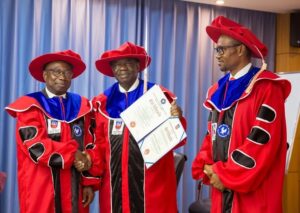
The decision, approved by the Federal Executive Council, establishes stricter guidelines for the conferment and public use of honorary degrees, while also prescribing sanctions for institutions and individuals found violating the rules.
There has been increasing concerns over the politicisation of honorary awards and the widespread practice of recipients adopting the title “Doctor” despite not earning academic qualifications through formal study or research.
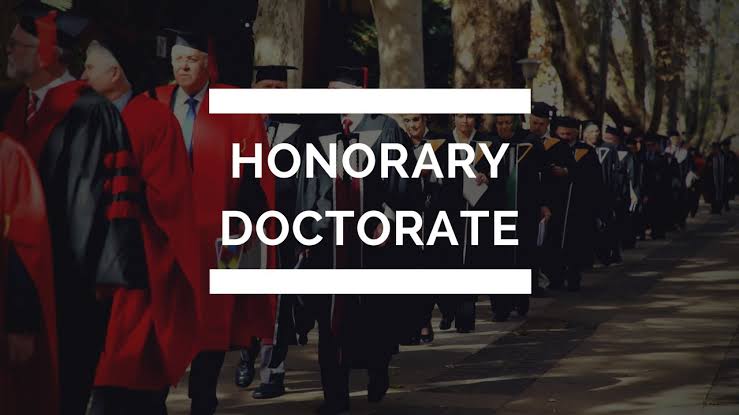
Honorary doctorates, unlike conventional academic degrees, are symbolic distinctions awarded to individuals who have made remarkable contributions to society, leadership, innovation, or their professional fields. They are not obtained through coursework, examinations, or research, but serve as recognition of impact and excellence.
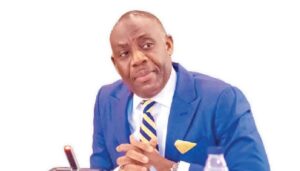
Announcing the reform in Abuja on Wednesday, Tunji Alausa said the policy became necessary following what he described as the indiscriminate award of honorary degrees by some universities.
According to him, the government observed a “troubling trend” where honorary doctorates were being conferred on serving public officials and politically exposed individuals, with some recipients subsequently presenting the titles as earned academic qualifications.
“Recipients are expected to acknowledge the degree as an award or recognition and not as a formal academic qualification,” Alausa stated.
He said the reform is intended to protect academic integrity, restore public trust in university honours, and halt the abuse of honorary degrees for personal prestige and political influence.
The Minister of State for Education, Suwaiba Ahmad, explained that the new policy gives legal force to the “Keffi Declaration,” a framework previously developed by vice-chancellors to regulate honorary awards but which lacked statutory backing.
“With federal approval, the declaration now has authoritative backing and can be properly implemented,” she said.
Education stakeholders have welcomed the development, though some insist the policy only addresses part of a deeper problem within the country’s academic system.
Michael Tidi, who earned a doctorate from University of Ibadan in 2018, said the abuse of honorary titles reflects a broader proliferation of questionable awards and certificates.
He argued that stronger oversight and institutional accountability would be needed to preserve the credibility of higher education qualifications in the country.
Globally, honorary doctorates remain a longstanding academic tradition practised by prestigious institutions such as Harvard University and University of Oxford. Over the years, renowned personalities including Oprah Winfrey, Bill Gates, Nelson Mandela, and Chimamanda Ngozi Adichie have received honorary doctorates in recognition of their influence and contributions to society.
With the new regulations now in force, attention is expected to shift to enforcement, as Nigerians increasingly demand accountability from both universities and recipients who disregard the distinction between honorary recognition and earned academic credentials.