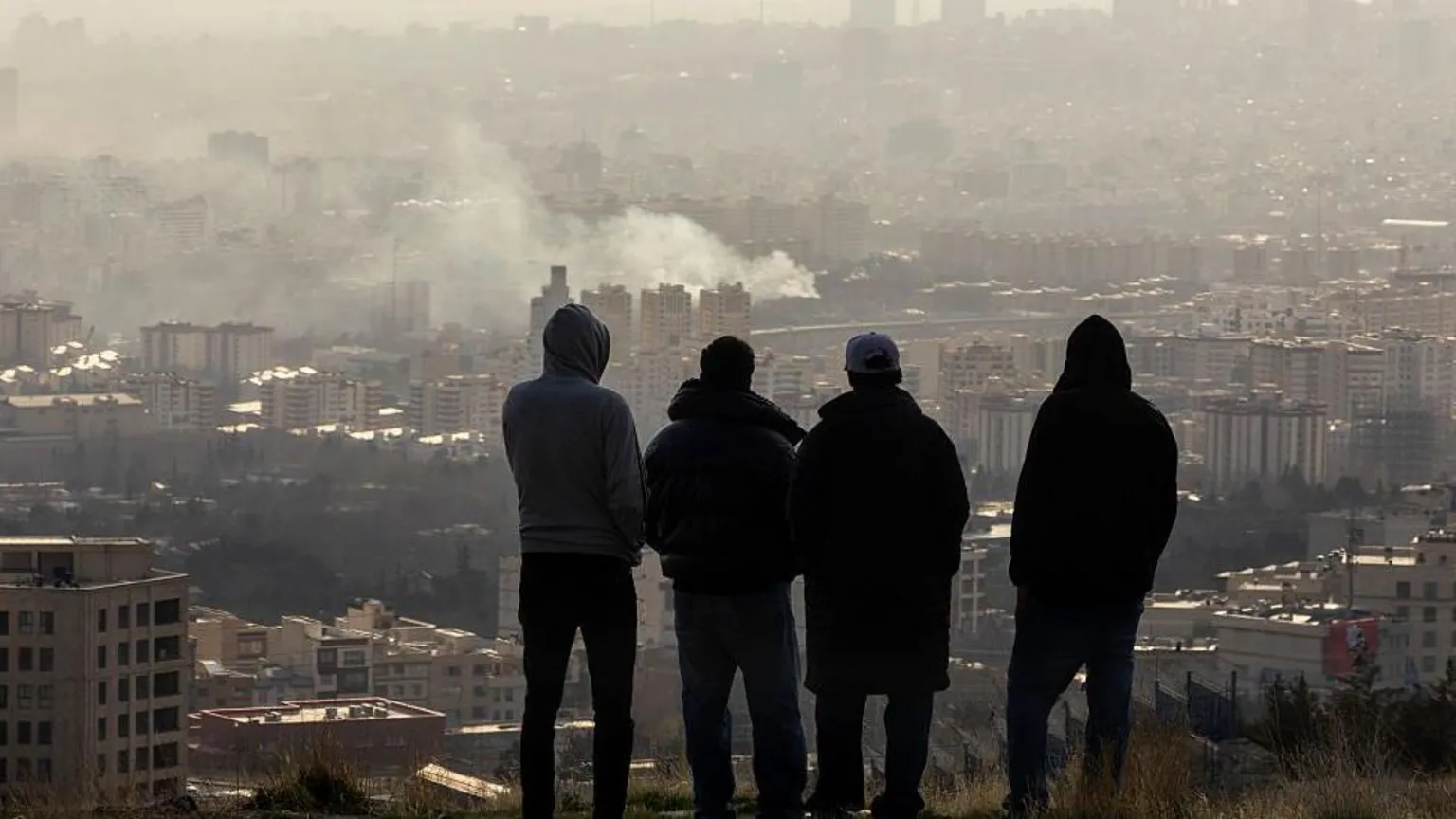

Life in Iran’s capital has slowed to an uneasy crawl as relentless airstrikes by the United States and Israel pound military and political targets across the country.
For many residents of Tehran, the passage of time has become distorted by fear and uncertainty. One resident summed up the mood starkly: “Every day now feels like a month.”
The bombardment, which began on February 28, has plunged the country into one of the most volatile moments in its modern history. The opening wave of strikes reportedly killed Iran’s long-time supreme leader, Ali Khamenei, dramatically escalating tensions and leaving the country’s political future uncertain. Yet despite the magnitude of that strike, the air campaign has continued with little sign of slowing.
Across Tehran, the sounds of explosions and fighter jets have become a grim soundtrack to daily life. One man described how a recent blast shook his entire home, forcing him to leave his windows open in an attempt to prevent the glass from shattering under the pressure of nearby detonations.
Beyond the capital, the violence has also taken a devastating toll on civilians. Iranian officials say more than 160 people, including schoolchildren, were killed when a girls’ school in the southern city of Minab was struck on Saturday. Authorities in Washington say the United States does not target civilians and that the incident is under investigation.
Despite the chaos, it remains difficult for the outside world to fully grasp the situation unfolding inside Iran. International journalists rarely receive visas to operate in the country, while periodic internet shutdowns have further limited the flow of information from within.
Inside Tehran, daily routines have been dramatically curtailed. Most residents now stay indoors, venturing out only when absolutely necessary to buy food or other essentials. The streets, once teeming with traffic and commerce, have grown eerily quiet.
At the same time, security forces have visibly tightened their grip on the city. Checkpoints dot major roads and intersections, reflecting fears within the government that unrest could erupt following the death of Khamenei.
A 25-year-old university student in the capital described the atmosphere as tense and watchful. “There are checkpoints everywhere,” he said. “They’re scared of their own shadows.” Yet beneath the fear, he said some young people are quietly hoping the upheaval could mark the beginning of political change.
Economic pressure is also mounting. Basic goods have become increasingly expensive, with prices for everyday staples such as eggs and potatoes surging. Residents report long and chaotic queues forming outside petrol stations and bakeries as people scramble to secure supplies.
Another Tehran resident told BBC Persian that many shops have shut their doors and some cash machines are no longer functioning, though supermarkets and bakeries are still operating in limited capacity.
For now, the sprawling metropolis of more than eight million people feels strangely hollow. Streets once filled with the rhythms of daily Iranian life now stand subdued, as a population waits anxiously to see whether the bombs above will give way to a new and uncertain chapter in the nation’s history.



Show CommentsYou bring a fresh voice to a well-covered topic.
You’ve done a great job with this. I ended up learning something new without even realizing it—very smooth writing!
Very useful tips! I’m excited to implement them soon.
You’ve built a lot of trust through your consistency.
Such a thoughtful and well-researched piece. Thank you.
Great job simplifying something so complex.
Very relevant and timely content. Appreciate you sharing this.
Thanks for making this easy to understand even without a background in it.