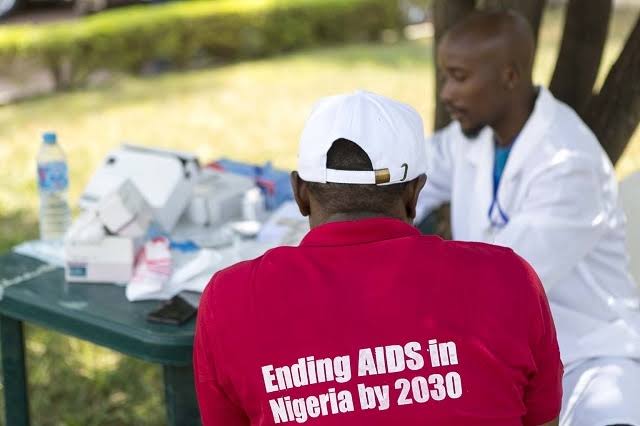

Its World’s AIDS Day!
Every year, on the 1st of December, the world commemorates World AIDS Day. This year’s theme is coded: My Health, My Right!” – a rallying cry for accessible, rights-based healthcare that empowers those affected by HIV/AIDS to live vibrant and fulfilling lives.
With over 21.3 million people now on antiretroviral treatment (ART) in sub-Saharan Africa alone, progress is palpable, but the fight is far from over.
In sub-Saharan Africa, which bears the brunt of the global HIV burden, innovations in treatment accessibility are rewriting the narrative of survival. According to the World Health Organization (WHO), the existimg treatment has saved millions of lives, transforming HIV from a terminal diagnosis to a manageable chronic condition. Yet, challenges persist, particularly for marginalized populations who face barriers to care due to stigma, poverty, and lack of infrastructure.
In a statement to mark this year’s celebration, WHO Regional Director for South-East Asia, Saima Wazed say a rights-based approach transcends strategy, serving as a steadfast commitment to protecting the dignity, health, and autonomy of every individual, particularly those most vulnerable and at risk. Confronting stigma and discrimination head-on is imperative, as these factors remain major obstacles to accessing essential HIV prevention, treatment, and care.
The statement hints:
“The World Health Organization (WHO) reiterates its dedication to fostering environments where all individuals—regardless of their HIV status or identity—can access life-saving services without fear of exclusion or judgment. Central to this commitment is empowering communities and civil society to amplify the voices of those at heightened risk. This approach integrates human rights into health interventions, creating a framework that promotes equity and justice alongside improved health outcomes”.
Unfortunately, marginalized groups continue to bear a disproportionate burden of the epidemic, often exacerbated by stigma, discrimination, and, in some cases, criminalization. Key populations—such as men who have sex with men (MSM), sex workers, people who inject drugs, transgender and gender-diverse individuals, and prisoners—face significantly higher rates of HIV. Tackling the social, economic, legal, and cultural inequalities that impede access to care is essential for ensuring a truly equitable HIV response.
The intersection of public health crises, such as the HIV/AIDS pandemic, and climate change amplifies vulnerabilities. Communities already grappling with the impacts of climate-induced displacement often experience heightened risks of HIV transmission due to disrupted healthcare systems and increased sexual exploitation. As Dr. Poonam Khetrapal Singh, WHO’s Regional Director for South-East Asia, highlighted, tackling HIV requires an integrated approach addressing these overlapping challenges.
The Gloves keep coming off
On the other hand, the WHO Regional Director for Africa, Dr. Matshidiso Rebecca Moeti, said protecting human rights is a key component of achieving universal HIV care, and breaking down these life-threatening barriers to access.
The Nigerian Scenario
In Nigeria, the second largest HIV epidemic globally, efforts to expand Antiretroviral treatment coverage have made notable strides. Benue State has the highest HIV prevalence, followed by Rivers, Akwa Ibom, Edo, and Taraba states.
Records also show that funding for HIV dropped by five per cent from 2022 to 2023, and by 7.9 per cent between 2020 and 2023.
However, the Nigerian government has partnered with international organizations to increase testing and counseling services, ensuring early detection and treatment initiation. Despite this progress, approximately 1.8 million Nigerians are still living with HIV, with rural areas disproportionately affected.
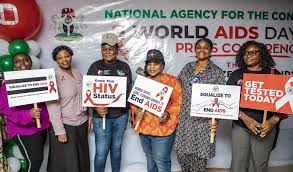
This year’s World AIDS Day also announces the importance of addressing the social determinants of health that perpetuate inequalities. WHO notes that women, particularly in sub-Saharan Africa, remain at higher risk due to gender-based violence and economic dependency. Effective prevention strategies, such as pre-exposure prophylaxis (PrEP) and comprehensive sexual education, are essential in reducing new infections.
Worthy of note
Climate change further exacerbates health inequities. In regions experiencing severe droughts or floods, food insecurity compromises immune systems, making individuals more susceptible to HIV/AIDS complications. These environmental challenges require coordinated responses to ensure that climate resilience efforts align with HIV care and prevention initiatives.
In response, grassroots organizations have become crucial players in bridging gaps in care. Community-led initiatives, often spearheaded by people living with HIV, deliver education, distribute ART, and combat stigma. Their efforts reflect this year’s theme by “equalizing” access to life-saving resources, particularly for underserved populations.
Youth engagement is another key focus for 2024. Adolescents account for a significant portion of new HIV infections, with many unable to access appropriate care due to age-related stigma or parental consent laws. Empowering young people through education and peer-led interventions remains a critical strategy in preventing transmission and encouraging adherence to treatment.
Global funding remains a cornerstone of the fight against HIV/AIDS. However, the climate crisis threatens to divert resources away from public health, creating funding gaps. This dual burden highlights the need for sustainable financing models that prioritize long-term investments in HIV prevention and care while addressing climate change.
In line with this year’s theme, the WHO urges governments and stakeholders to prioritize equity in all aspects of HIV care. From addressing stigma to expanding ART access in remote areas, the fight against HIV/AIDS is as much about social justice as it is about medical progress
Don’t forget to – Use a condom!