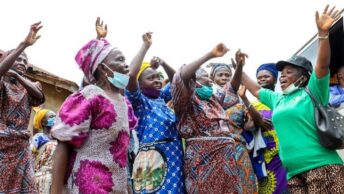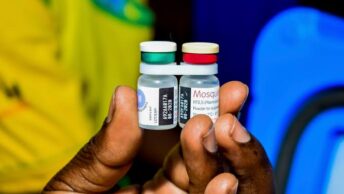

Rapid immunization is instructive for her immunity. That’s right!
As Nigeria grapples with childhood diseases and increasing cases of zero-dose children, UNICEF is ramping up its efforts to boost immunization coverage, particularly in underserved regions.
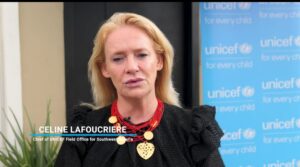
Speaking at a media dialogue in Lagos on Wednesday, UNICEF’s Chief of Field Office for Southwest Nigeria, Celine Lafoucriere rehashed the importance of vaccinating every child to close health gaps.
“Vaccines remain essential to children’s health, especially in marginalized, hard-to-reach areas. Immunization is a fundamental right,” Lafoucriere stated, urging collaboration to accelerate efforts across 100 Local Government Areas in 18 states.
UNICEF’s ambitious target aims to increase vaccination rates by 15% annually, with a goal of reaching 30% more children by 2025.
According to Lafoucriere, the media’s role is crucial in amplifying this message: “We need your influence to catalyze action and share our successes. Together, we can build a resilient health system.”
Lafoucriere maintained that collective action is key to the success of this immunization drive. “By working together, we can ensure every child in Nigeria gets the life-saving vaccines they need to thrive.”
Despite these efforts, over 2.3 million Nigerian children remain unvaccinated, a statistic that poses a significant health risk. An assistant Immunization Program Coordinator at the Lagos State Primary Health Care Board, Dr. Adebayo Adeniji warned that unvaccinated individuals could spread infectious diseases, putting the wider population in danger.

“People are giving birth but not allowing their children to be vaccinated, which could eventually pose a national health crisis,” he said.
One of the critical vaccines in Nigeria’s immunization schedule is Penta-1, which protects against diphtheria, pertussis, and tetanus.
Adebayo also highlighted the dangerous trend of children missing out on these essential vaccinations, noting that the government provides them free of charge at designated Primary Health Care Centers.
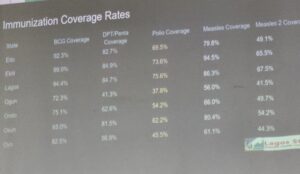
Barriers to Immunization Remain Significant.
According to UNICEF’s Social Behaviour Change Communication Specialist, Aderonke Akinola-Akinwole, factors such as fear of side effects, lack of time, and economic concerns prevent many parents from vaccinating their children. She also pointed out that migrant populations are particularly challenging to rereach.
She stressed that UNICEF will continue to invest in making vaccines available while working to educate communities about their importance.
“Vaccination is one of the most effective tools we have in reducing childhood morbidity and mortality,” Akinola-Akinwole noted.
In addition to addressing vaccine availability, UNICEF is working closely with government bodies and other stakeholders to overcome these barriers. The goal is not just to increase vaccination rates but also to create a healthcare system resilient enough to handle future challenges, including pandemics and migration.
The organization’s push for routine immunization aligns with Nigeria’s efforts to achieve the Sustainable Development Goals (SDGs), particularly in health and well-being. Reducing child mortality and preventing diseases through vaccination is a critical step in achieving these targets.
The importance of routine immunization extends far beyond individual health benefits—it is a public health necessity that will shape the future of Nigeria’s children and communities.
UNICEF’s call to action serves as a reminder that securing a healthier, more equitable future is within reach, but only if every child receives the vaccines they deserve.