
The UK Supreme Court has declared that the legal definition of a woman is based on biological sex, stating that the concept of sex is binary.
While the judgement has been welcomed by women’s rights advocates, it has also sparked deep concern within the transgender community.
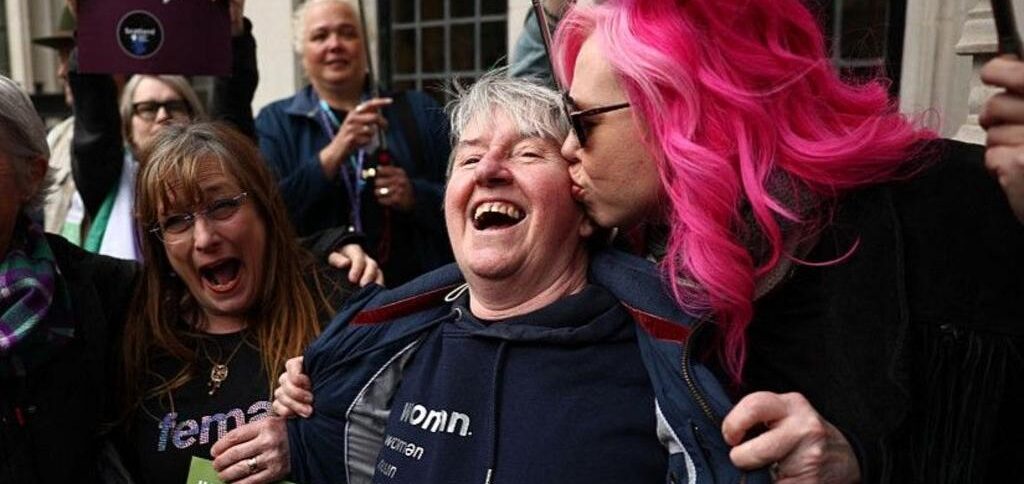
The case centred around the Scottish government’s attempt to redefine the term “woman” to include transgender women holding a Gender Recognition Certificate (GRC) for the purposes of applying sex-based protections. The feminist group For Women Scotland challenged this, arguing that such protections should apply only to individuals born female. The Supreme Court sided with them.
The ruling clarifies that, in law, sex remains a binary category, but the court also stressed that transgender people still enjoy legal protection from discrimination. The justices warned that the decision should not be seen as a victory for one side over another.
For Women Scotland expressed gratitude for the outcome, describing it as a relief after a protracted legal battle. Meanwhile, advocacy group Scottish Trans urged calm and warned against panic, insisting that transgender people still retain vital legal rights.
Meanwhile, the Scottish government stated it had acted in good faith and said it would now work with Westminster to fully understand the implications of the court’s ruling.
Members of Parliament have since responded with mixed emotions. One of them, Liberal Democrat MP Anna Sabine, who has a transgender relative, raised concerns about the impact of public discourse on vulnerable trans individuals. SNP MP Graham Leadbitter echoed those worries, pointing out that transgender people are among the most discriminated against in society and face significantly higher suicide risks.
According to the 2021 census in England and Wales, over 262,000 people aged 16 and above identified as having a gender identity different from their sex at birth.
In Scotland’s 2022 census, nearly 20,000 individuals identified as trans or having a trans history. Some academics, however, caution that these figures could be overestimates.
The director of TransActual UK expressed devastation at the ruling, saying it could mean the exclusion of trans women from women-only spaces and, by extension, their participation in society.