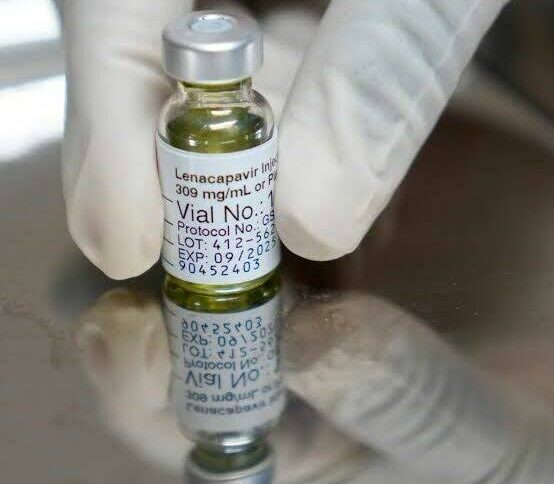

Nigeria is set to receive shipments of Lenacapavir, a groundbreaking HIV prevention drug, in March 2026, in what health authorities describe as a major boost to the country’s fight against new infections.
In a statement released on Monday, the National Agency for the Control of AIDS (NACA) announced that it is intensifying preparations for the introduction and nationwide rollout of Lenacapavir (LEN) as pre-exposure prophylaxis (PrEP). The move, the agency said, underscores the Federal Government’s renewed commitment to accelerating progress toward HIV epidemic control.
Lenacapavir is a long-acting injectable PrEP option administered just twice a year, a significant shift from the daily oral pills currently used for prevention. In clinical trials, the drug demonstrated remarkable efficacy, significantly reducing the risk of HIV infection and offering near-total protection among participants.
According to NACA, coordinated efforts are already underway to ensure a structured and quality-assured deployment of the new prevention option, particularly in priority states with higher HIV burdens. The agency emphasized that the phased introduction will be supported by regulatory clearance, system readiness, trained healthcare workers and sustained community engagement.
Already secured is a regulatory approval by the National Agency for Food and Drug Administration and Control (NAFDAC). This clearance paves the way for procurement, distribution and integration of Lenacapavir into Nigeria’s existing HIV prevention framework.
NACA further disclosed that landscape and readiness assessments have been completed in 10 states; Akwa Ibom, Anambra, Benue, Cross River, Ebonyi, the Federal Capital Territory, Gombe, Kano, Kwara and Lagos. These assessments evaluated service delivery capacity and identified implementation gaps to ensure a smooth rollout.
Meanwhile, health experts believe the introduction of a twice-yearly injectable could significantly improve adherence rates, especially among populations that struggle with taking daily medication due to stigma, access barriers or lifestyle constraints. If successfully implemented, Lenacapavir could mark a turning point in Nigeria’s efforts to reduce new HIV infections and move closer to epidemic control.
With preparations in motion and arrival expected in March 2026, attention now turns to ensuring equitable access, public awareness and sustained funding, factors that will ultimately determine whether this medical breakthrough delivers on its promise.