
Across Nigeria’s urban landscape, billboards promise transformative beauty through skin lightening creams, featuring models with conspicuously lighter complexions.
This imagery perpetuates a colonial-era legacy that equates lighter skin with higher status and desirability, a standard deeply woven into the social fabric. Yet, beneath the allure of these products lies a dangerous reality of unregulated ingredients and significant health risks.
The demand for rapid results drives many to use harsh cleansers and creams that strip the skin’s natural oils, leading to irritation, barrier damage, and long-term sensitivity. More alarmingly, potent chemicals in these formulations can penetrate the skin and enter the bloodstream, potentially causing damage to internal organs over time.
An aesthetic dermatologist, Dr. Vivian Oputa warns of particularly hazardous practices: “We’ve had several cases of newborns being bleached by their parents because they don’t want the kids to be dark. The steroids used in addition to bleaching agents are absorbed into your bloodstream. They can wreak havoc and damage internal organs, your kidneys, your liver. The steroids also thin the skin, compromising its structural integrity.”
Driven by growing health and environmental awareness, many consumers are now turning toward natural and organic skincare alternatives. The Nigerian organic skincare market, valued at approximately $21.47 million in 2024, is projected to grow steadily, fueled by social media influence and a preference for transparent ingredient lists.
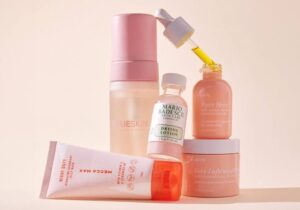
However, the term “organic” is often loosely applied. Authentic organic products require stringent farming and production standards, free from pesticides, synthetic fertilizers, and harmful additives like parabens and sulfates. As the brand Neutriherbs notes, “Making authentic organic creams is not child’s play, and most brands that label their products as organic, especially in Nigeria, are sadly not 100 per cent organic.”
Compounding the problem is the prevalence of dangerous self-mixing and unregulated formulations. Pharmacist James Ucheaga recounts instances of customers attempting to purchase antibiotics like ampiclox to incorporate into homemade skin creams, a practice with severe risks of antibiotic resistance and skin damage.
Despite the clear dangers, skin lightening remains a massive global industry, projected to reach $15.7 billion by 2030. In Nigeria, the practice is exceptionally widespread, with over three-quarters of women reported to have used whitening products.
The solution, experts stress, lies in education and regulation. Consumers are urged to choose gentle, pH-balanced, dermatologically tested products suited to their skin type and to scrutinize ingredient lists carefully.
As the market expands, the call for stricter oversight and genuine organic certification grows louder, a necessary step to protect public health in the pursuit of beauty.
Choose your skincare products wisely.