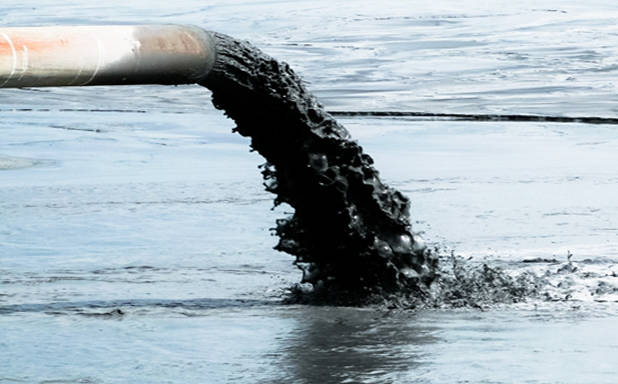

A new global study has cast doubt on the effectiveness of ocean conservation efforts, revealing that nearly three-quarters of the world’s marine protected areas are contaminated by sewage and wastewater.
The research, conducted by the Wildlife Conservation Society in collaboration with the University of Queensland, analysed more than 16,000 protected marine zones worldwide. Published in Ocean & Coastal Management, it found that 73 percent of these areas are polluted, often more severely than nearby unprotected waters.
The findings are raising fresh concerns for Nigeria, where environmentalists say similar patterns are already evident along key coastal regions, including Lagos and the Niger Delta.
Despite having relatively few formally designated marine protected areas, experts warn that Nigeria’s coastal ecosystems are under mounting pressure from unchecked wastewater discharge, driven by rapid urbanisation and inadequate infrastructure.
“In region after region, the areas set aside for conservation were actually receiving more pollution than those without protection,” said David Rivera, lead author of the study, challenging assumptions that designation alone guarantees environmental safety.
The implications are significant. Marine protected areas are designed to safeguard biodiversity, support fisheries, and enhance ecosystem resilience. But scientists warn that these goals cannot be achieved if pollution continues to flow into these zones.
Globally, leaders have committed to protecting 30 percent of the world’s oceans by 2030 under the “30 by 30” target. However, the study suggests that expanding protected areas without addressing pollution could render such efforts ineffective.
In Nigeria, the challenge is particularly acute. According to the Nigerian Institute for Oceanography and Marine Research, many urban centres rely heavily on septic systems and informal waste disposal methods, leading to frequent contamination of nearby water bodies.
Marine scientists have long reported elevated levels of nutrients and harmful pathogens in Lagos coastal waters, conditions that can trigger algal blooms, deplete oxygen levels, and threaten fish populations that sustain local livelihoods.
The risks extend beyond the environment to public health. Contaminated water is a known driver of diseases such as cholera and typhoid, which remain persistent challenges in several parts of the country. Health experts warn that exposure to untreated wastewater significantly increases the likelihood of outbreaks, especially in densely populated coastal communities.
Regulatory bodies like the National Environmental Standards and Regulations Enforcement Agency are tasked with monitoring pollution, but enforcement gaps remain a major obstacle. Limited capacity, weak compliance, and inadequate infrastructure continue to undermine efforts to control industrial discharge and improve sanitation systems.
Nontheless, environmental advocates say the solution lies in tackling pollution at its source. Without significant investment in wastewater treatment and stronger enforcement of environmental laws, the degradation of marine ecosystems is likely to accelerate.
Amelia Wenger of the Wildlife Conservation Society emphasised that conservation efforts must go hand-in-hand with pollution control. Protecting oceans, she argued, requires integrated strategies that link land use, sanitation, and environmental management.
With certainty, addressing the flow of sewage and industrial waste into coastal waters has become imperative because even the most ambitious conservation targets may fail to deliver meaningful change.