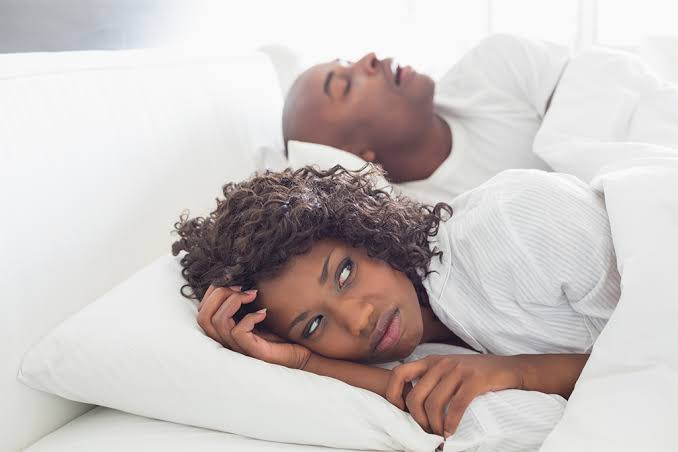

Are you battling with sleep apnoea?
This is a disorder marked by nocturnal breathing stoppages is proving to be one of the most underdiagnosed and consequential public health challenges of our time.
Approximately 936 million people worldwide aged 30–69 have mild to severe obstructive sleep apnea (OSA), with 425 million suffering from moderate to severe cases. Driven by obesity, it is a major global health issue, with the highest numbers of affected individuals in China, the USA, Brazil, and India.
Obstructive sleep apnoea, characterized by repeated airway collapse during sleep does more than ruin a good night’s rest. In severe cases, sufferers can experience breathing pauses every minute, each lasting more than ten seconds, plummeting blood oxygen levels and straining the cardiovascular system.
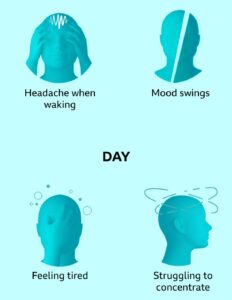
It could be a signal to an underlying problem. Yes, the true scale of the problem remains hidden. A recent Lancet report estimates some eight million people in the UK may have the condition, with the vast majority unaware. This diagnostic gap carries a severe cost: undiagnosed sleep apnoea can reduce life expectancy by up to ten years and is a significant risk factor for developing type 2 diabetes, hypertension, and heart disease.
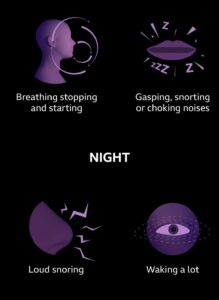
“We are facing a massive awareness deficit,” says Dr. Prina Ruparelia, a respiratory consultant at St Bartholomew’s Hospital in London. “The first step is recognizing that loud snoring and unexplained daytime exhaustion aren’t normal, they’re potential red flags.”
Compounding the issue is a widespread misconception that sleep apnoea only afflicts older, overweight men. While this demographic is at higher risk, the condition crosses all boundaries of age, gender, and body type. Increasingly, clinicians are diagnosing active, slim women in their 40s who had never considered themselves candidates for a sleep disorder.
As the medical community grapples with detection barriers, new technological solutions are emerging from unexpected quarters. In Nigeria, data scientist Oluwabusayo Awoyomi is pioneering an artificial intelligence model designed to identify sleep apnoea risk in real-time. The system integrates data analytics with natural language processing to interpret clinical notes and patient-reported symptoms.
“We’re moving beyond simple metrics,” explains Awoyomi. “The goal is to train AI to understand nuanced patient narratives, to detect patterns in language and context that might elude traditional screening, making early intervention faster and more accessible.”
Her work highlights a broader, often overlooked dimension of the sleep crisis: in fast-growing economies like Nigeria, sleep deprivation is becoming a silent driver of chronic disease and lost productivity.
“It’s time our nation woke up to the value of rest,” asserts public health expert Dr. Charles Adedamola Adeogun. “Between long commutes, economic stress, and digital overload, sleep is treated as a luxury rather than a non-negotiable pillar of health. The consequences are etched into our rising rates of hypertension and mental health strain.”
The World Health Organization has asserted that adults require 7–9 hours of quality sleep per night for optimal physical and cognitive function, a target slipping out of reach for millions globally. As research continues to link poor sleep to everything from impaired immunity to workplace accidents, experts argue that systemic change is needed: from primary care screening protocols to public health campaigns that reframe sleep not as indulgence, but as indispensable medicine.
The battle against sleep apnoea, therefore, is more than a clinical endeavor, it is a cultural one, demanding we rethink our relationship with rest before the toll grows even heavier.