
Is poultry farming pastime or is it the economy telling on its potentials?
Amidst Nigeria’s ever-growing challenge of food insecurity, one solution that’s gaining traction is poultry diversification. The Nigerian poultry industry, which contributes significantly to the country’s agricultural GDP, is being increasingly viewed as a critical player in solving food scarcity. With over 200 million people to feed, Nigeria needs sustainable strategies to ensure food availability, and many experts believe that diversifying poultry production might hold the key. However, how feasible is this solution, and can it address the deep-seated food crisis?
PANLAG Purview
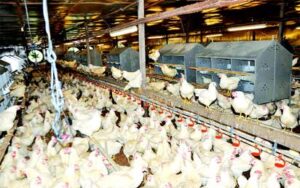
Poultry farming in Nigeria has predominantly focused on egg production and broiler meat, which are popular protein sources. However, with food insecurity becoming more pressing, stakeholders are advocating for a diversified approach to poultry production. This means expanding beyond the usual products to include other value-added options such as processed chicken, turkey, and even poultry by-products.

According to a recent report by the Poultry Association of Nigeria, Lagos State Chapter (PANLAG), the diversification of poultry into areas like hatcheries, feed production, and specialized breeds can substantially improve food security across the country.
One significant advantage of poultry diversification is its potential to boost local protein production. A diverse poultry sector would provide more affordable and accessible protein options for many Nigerians, especially those in rural areas who have limited dietary diversity. By producing a variety of poultry products, farmers can cater to different markets, thereby increasing protein availability and reducing reliance on imports. As Nigeria currently imports large amounts of frozen poultry products, expanding local production could also address the issue of import dependency, thus bolstering food sovereignty.
Is Diversification Possible?
Poultry diversification can play a key role in stabilizing food prices. The cost of eggs and poultry meat has risen in recent years due to supply chain disruptions and high feed costs. If the industry diversifies and becomes more efficient, it could help stabilize prices, making protein sources more affordable for the average Nigerian household. Lower prices could have a ripple effect on overall food security, enabling families to allocate more of their limited income to other essential food items and nutritional needs.
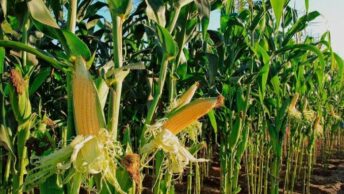
However, experts have pointed out that diversifying the poultry sector comes with its own challenges. One major obstacle is the high cost of poultry feed, which often accounts for 70% of production expenses. With the prices of maize and soybeans—key ingredients in poultry feed—continuously on the rise, many smallholder farmers struggle to remain profitable. To truly benefit from diversification, there must be concerted efforts to address the cost of feed by promoting alternative feed sources and encouraging local feed production. The government, for instance, could promote research into using more locally available raw materials as substitutes in poultry feed.
Another critical component for the success of poultry diversification is improved infrastructure. To expand into other value-added products, farmers need better processing facilities, storage options, and access to markets. This requires investment in cold chain infrastructure to reduce post-harvest losses and ensure that poultry products are safely transported and stored. Without these infrastructural improvements, the benefits of diversifying the poultry industry may not reach their full potential, and the sector could continue to underperform.
The impact of poultry diversification goes beyond just food production; it also has the potential to create employment and drive rural development. As more farmers diversify their poultry operations, they will require additional labor, creating job opportunities in rural areas where unemployment is a significant problem. The development of hatcheries, processing plants, and feed production units also has the potential to stimulate economic activity in these regions, thereby contributing to poverty reduction—a key factor linked to food insecurity.
The Importance of Collaboration
Moreover, experts have emphasized that collaboration among stakeholders is crucial. The government, private sector, and farmers must work together to create an enabling environment for diversification. Policies that support access to credit, subsidies for feed production, and technical training for farmers will be necessary to encourage more farmers to diversify.
According to the PANLAG report, partnerships between poultry farmers and research institutions could also lead to innovations that improve productivity, such as disease-resistant breeds and efficient farming practices.
While poultry diversification presents a viable path towards improving food security in Nigeria, it should not be seen as a standalone solution. Instead, it must be part of a broader agricultural development strategy that includes crop diversification, increased investment in other livestock sectors, and improved irrigation and farming practices. Addressing food insecurity in a country as large and diverse as Nigeria requires a multi-pronged approach, and poultry diversification is one of the key pillars that could help build a resilient food system.
To say the least, poultry diversification holds significant promise for improving food security in Nigeria. By increasing protein availability, stabilizing prices, creating employment, and reducing import dependence, the sector could play a pivotal role in combating food insecurity. However, its success will depend on addressing key challenges such as high feed costs, infrastructural limitations, and the need for collaborative efforts among stakeholders.