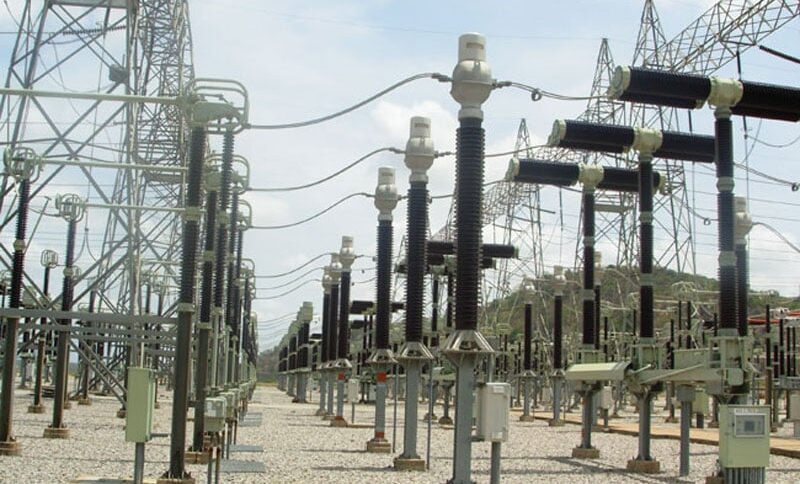

It’s been decades of darkness and this could be the game-changer.
Nigeria is on the ledge of a significant upgrade in its power infrastructure as the Federal Government has announced a substantial $800 million investment aimed at bolstering the country’s electricity distribution capabilities.
What The Project Will Achieve
This ambitious project focuses on the construction and expansion of power substations and the improvement of distribution networks, a move that is expected to significantly enhance the reliability and efficiency of electricity supply across the nation.
As you know, Nigeria’s power sector is plagued with numerous challenges, including aging infrastructure, frequent outages, corruption, and energy losses that hinder economic growth and development. With over 200 million people, Nigeria’s electricity demand far outstrips supply, leaving many areas under-served or without access to reliable power. The World Bank has estimated that businesses in Nigeria lose an average of $29 billion annually due to power outages, underlining the urgent need for substantial improvements in the sector.
Accoridng to The minister of power, Adebayo Adelabu, this $800 million investment is a strategic effort by the government to tackle these long-standing issues.

“It is expected to support the construction of new substations and the rehabilitation of existing ones, which will increase the capacity of the power grid”.
This, in turn, will allow for the more efficient distribution of electricity, reducing the frequency of outages and improving the quality of power available to both residential and industrial users.
Future Effects
The focus on distribution networks is particularly crucial. Currently, the distribution companies (DisCos) are plagued by inefficiencies that lead to high energy losses, estimated at about 46% of total electricity generated. By investing in modernizing these networks, the government aims to reduce these losses, thereby increasing the amount of electricity that actually reaches consumers. This could lead to a significant reduction in the cost of electricity, making it more affordable for the average Nigerian household.
In addition to improving infrastructure, the government’s investment is expected to stimulate economic growth. Reliable electricity is a critical factor in attracting foreign investment, supporting local industries, and boosting productivity. According to the Nigerian Bureau of Statistics, manufacturing, which contributes about 9% to Nigeria’s GDP, is heavily dependent on stable electricity. Improvements in the power sector could thus lead to substantial economic benefits, particularly in job creation and industrial expansion.
Moreover, this investment aligns with Nigeria’s broader goals of achieving sustainable development and reducing carbon emissions. By improving the efficiency of the power sector, the government hopes to reduce the reliance on diesel generators, which are not only expensive to operate but also contribute significantly to air pollution and greenhouse gas emissions.
Undoubtedly, the $800 million investment in Nigeria’s power sector represents a critical step towards addressing the country’s chronic electricity challenges. By focusing on substations and distribution networks, the government is laying the groundwork for a more reliable, efficient, and sustainable power system that could have far-reaching positive impacts on Nigeria’s economy and the well-being of its citizens.