
With food insecurity tightening its grip on Nigeria, stakeholders in the agricultural sector have urged that the nation must not allow recent gains in agribusiness to slip away.
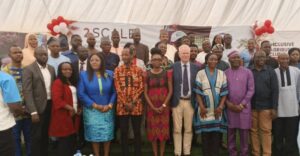
This charge came as the Netherlands-funded 2SCALE initiative formally handed over its inclusive agribusiness model to the Institute of Agribusiness Management in Nigeria (IAMN).
The handover, held in Iseyin, Oyo State, symbolised more than just the closure of a 13-year programme, it was a call to action for Nigeria to sustain momentum in a sector regarded as central to lifting millions out of poverty.
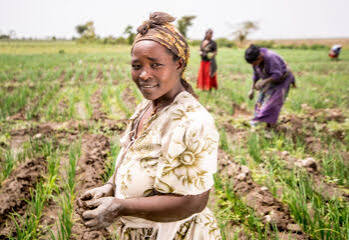
Since its launch, 2SCALE has connected over 166,000 smallholder farmers to markets, helping them scale their businesses while also boosting Nigeria’s food value chain. The programme also revolutionised dairy sourcing, raising local milk supply from one million litres annually in 2012 to over four million litres by 2022.
Ambassador of the Kingdom of the Netherlands, Bengt van Loosdrecht, described the project as a “blueprint for food security,” stressing that the initiative should serve as a foundation upon which Nigeria can build. He urged IAMN not only to sustain the progress but to expand it in line with the country’s rapidly growing food needs.
The Country Director of 2SCALE, Marina Diboma, noted that the initiative had done the groundwork and prepared its inheritors for the next phase.
She added that inclusive agribusiness models, if properly scaled, could transform Nigeria’s agriculture into a driver of both economic growth and social equity.
Industry leaders also pledged their support. Prof. Andi Brisibe, President of IAMN, alongside representatives of FrieslandCampina WAMCO Nigeria Plc, assured that the transition would not derail progress. Rather, it would usher in a new era of accountability and innovation in the agribusiness landscape.
For farmers, traders, and stakeholders present, the ceremony carried mixed emotions, pride at the progress made, but also anxiety about the road ahead. As one speaker observed, food demand in Nigeria continues to outpace supply, and inclusive models are no longer optional but essential.
The end of 2SCALE’s chapter, stakeholders agreed, is not an end at all but the beginning of a sterner test: whether Nigeria can take ownership of a proven model and ensure its agricultural future is not left to chance.