
Nothing buys nothing.
Seventeen months after President Bola Tinubu declared a state of emergency on food security, Nigerians are grappling with skyrocketing food prices, paying nearly three times more for basic staples.
The ambitious promises made in July 2023 to ensure affordability and availability of food now stand in stark contrast to the grim realities of inflation and food insecurity faced by millions.
In his nihilistic address then, Tinubu had pledged to channel savings from the removal of fuel subsidies into revitalizing the agricultural sector. Central to this plan was the creation of a National Commodity Board to monitor food prices and maintain strategic reserves. However, as food prices continue their relentless climb, the effectiveness of these measures is being called into question.
Fast-forward to December 2024, and Tinubu reiterated his commitment to food security during the presentation of the 2025 national budget. In a statement posted on X (formerly Twitter), the president declared, “Food security is non-negotiable,” promising support for local farmers and an increase in agricultural productivity to ensure no Nigerian goes to bed hungry.
Yet, Tinubu’s reassurances have done little to quell public frustration, south it has gone. The National Bureau of Statistics (NBS) recently reported a jump in Nigeria’s inflation rate from 33.88% in October to 34.60% in November 2024. The food inflation rate was even more alarming, rising from 32.84% in November 2023 to 39.93% in November 2024. This staggering 7.08% increase has placed essential food items further out of reach for the average Nigerian.
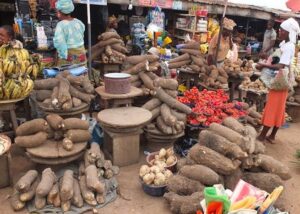
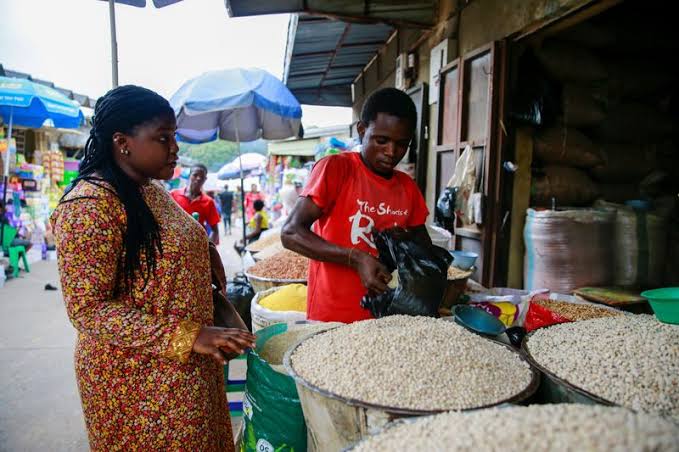
Today, the Naira is chasing the wind. Staples like yam, vegetable oil, rice, and bread have seen dramatic price hikes, forcing many households to cut back on both quality and quantity of meals. The NBS report specifically cited significant increases in the prices of tubers (yam, water yam, cocoyam), cereals (rice, maize, guinea corn), and cooking essentials like palm oil and vegetable oil. For many families, these price surges translate into spending a disproportionate share of their income on food, leaving little for other necessities.
Where is hope?
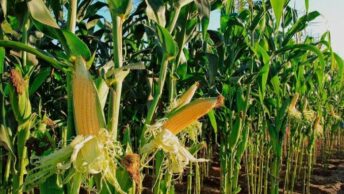
The president’s budget speech highlighted insecurity as a major impediment to agricultural productivity, emphasizing the government’s efforts to provide farmers with funding and inputs to reignite the sector. However, experts argue that these measures have yet to yield tangible results. “The agricultural sector remains under siege from banditry, poor infrastructure, and climate challenges,” says agricultural economist Dr. Funmi Adebayo. “While funding is critical, without addressing systemic issues like insecurity and supply chain inefficiencies, food prices will remain volatile.”
Data comparisons from the NBS reveal a stark reality. In July 2023, when Tinubu declared the food security emergency, a 50kg bag of rice cost about ₦30,000. By October 2024, the same bag was priced at nearly ₦90,000, reflecting a threefold increase. Similarly, the cost of vegetable oil has surged from ₦1,800 per liter to ₦4,800. Bread, once considered affordable, has also seen a sharp rise, now costing twice its previous price.
Public sentiment mirrors the harsh economic realities. Many Nigerians have taken to social media to voice their dissatisfaction with Tinubu’s administration, accusing it of failing to deliver on its promises. “We were told food prices would stabilize with subsidy removal and investment in agriculture, but all we see are higher prices and empty promises,” lamented a resident of Lagos.
Despite the criticisms, the government insists it is on the right track. Officials highlight ongoing programs aimed at boosting local food production, including initiatives to modernize farming techniques and expand access to agricultural financing. However, experts caution that such efforts require time and sustained political will to produce meaningful outcomes.
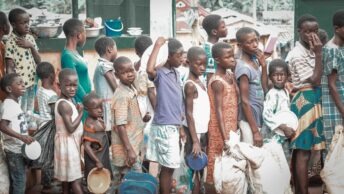
As the nation prepares to enter 2025, the disconnect between policy promises and lived experiences remains stark. Food security, described as “non-negotiable” by the president, has become a daily negotiation for millions of Nigerians struggling to feed their families.
Eat your money.