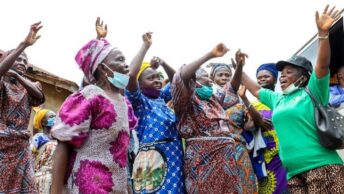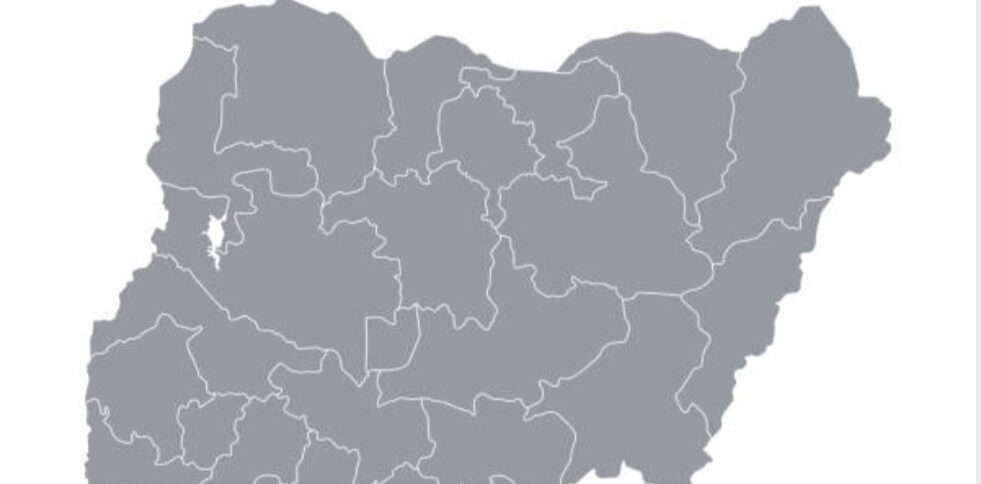

Another year to remember the baton exchange with freedom.
Every October 1st, from 1960, Nigerians commemorate Independence Day, a day marking the country’s liberation from British colonial rule. The day is filled with parades, ceremonies, and the celebratory green-and-white colors of the national flag. But as Nigeria celebrates its 64th independence anniversary today, the prevailing sentiment among many citizens is bittersweet. Questions about progress, governance, and the nation’s trajectory cloud the celebrations, with people reflecting deeply on what it truly means to be independent.
Pomp or a Smokescreen?
While in past decades, Independence Day was filled with pomp, pageantry, and genuine hope for a better future, the mood this year is mixed. Many citizens are vocal about their disappointments. A notable feeling pervades: Nigeria has fallen far short of its potential. With immense natural resources, a young, vibrant population, and decades of independence, the country has yet to fulfill its promise of economic development and unity.
Interviews with citizens revealed widespread discontent with the current state of affairs. People are ask if there is anything left to celebrate beyond the mere fact that the nation has held itself together through various crises — civil wars, military regimes, and, more recently, socio-economic struggles. For many, this resilience is an achievement, but it isn’t enough to keep hope alive without tangible progress.
Thriving in Want
When Nigeria gained independence in 1960, there was a palpable optimism in the air. Freedom from colonial rule promised the birth of a thriving nation, one that would harness its rich resources to become an African powerhouse. The immediate post-independence era saw improvements in infrastructure, public services, and education. However, these advancements were quickly overshadowed by a series of military coups, civil war, and a succession of leaders whose governance fell short of expectations. The dream of a nation built on equity, justice, and prosperity began to dissipate.
Many argue that Nigeria’s current economic state is a far cry from what it should be. Despite being Africa’s largest oil producer, the country still grapples with power outages, poor infrastructure, and a significant number of citizens living below the poverty line. A report by The World Bank highlights that around 40% of Nigerians live in poverty, a staggering statistic for a nation so rich in natural resources. Citizens interviewed by Olujobi echoed frustrations about unfulfilled promises from successive governments.
“Where is the light? Where are the good roads? We keep hearing promises, but nothing changes,” one respondent lamented.
Moreover, the high youth unemployment rate is an ever-growing concern. Nigeria’s youth make up a significant portion of the population, with roughly 70% of the populace under the age of 30. Instead of benefiting from the “demographic dividend,” the nation faces challenges in providing jobs, quality education, and skills training for these young people. According to the National Bureau of Statistics, unemployment among Nigerian youth is over 40%, a figure that underscores the need for urgent reform in job creation and economic diversification.
The ongoing insecurity has also compounded the nation’s woes. From Boko Haram insurgencies in the northeast to banditry and kidnappings in other regions, safety has become a luxury for many. These issues hamper development, as they deter both local and foreign investments. In a recent report, the Institute for Economics and Peace ranked Nigeria among the least peaceful countries in the world, which is a stark contrast to the optimism felt in the early years of independence.
Despite these challenges, some Nigerians still choose to see a silver lining.
The resilience and creativity of the people shine through in the arts, technology, and even in small businesses across the country. Nigerian tech startups, for example, are gaining global attention and investments. The entertainment industry, especially Nollywood and Afrobeats, has also placed Nigeria on the global stage, painting a picture of hope and showcasing the enormous talent within the country. A young entrepreneur interviewed by Olujobi expressed hope that if given the right support, Nigeria’s youth could transform the country. “We just need an enabling environment. We can compete with the best in the world,” he stated.
Another aspect worth celebrating is the spirit of unity that persists despite the odds. With over 250 ethnic groups and multiple languages, Nigeria is a country of incredible diversity. While ethno-religious tensions often threaten national cohesion, the idea of “One Nigeria” still resonates with many. Citizens have continually shown solidarity during times of crisis, such as providing relief during natural disasters or standing together against social injustices.
However, true independence goes beyond ending colonial rule; it is about economic autonomy, strong institutions, and the ability to provide citizens with a decent quality of life. This year’s anniversary has sparked debates on whether Nigeria has achieved these aspects of independence or if it remains bound by different forms of dependence — on foreign aid, imported goods, and even outdated governance practices.
A Thirst for Newness
As Nigeria stands at 64, the need for a comprehensive review of its journey becomes imperative. Citizens are calling for leaders who are genuinely committed to development, leaders who will transform words into action and lead the nation towards the greatness it was promised 64 years ago. The current situation may be bleak, but it is not without hope. The indomitable spirit of Nigerians — their resilience, ingenuity, and determination — remains the country’s greatest asset.
While the anniversary may not be filled with the unbridled optimism of previous years, it serves as a reminder. A reminder of how far Nigeria has come, the challenges it continues to face, and the potential that still lies within.
For many, there is hope that, eventually, the promise of independence will be fulfilled — not just in words but in the everyday realities of all Nigerians.