
Monkeypox (mpox) is emerging as a global health threat, with recent outbreaks leading to increased international attention and concern.
Once mainly confined to Central and West Africa, the disease has seen a worrying rise in cases across multiple regions worldwide, raising questions about its evolving epidemiology and public health imimplications.
Expanding Geographical Reach
Historically, monkeypox was endemic to parts of Central and West Africa, particularly in the Democratic Republic of the Congo (DRC). However, since 2022, there have been numerous cases outside these traditional hotspots, including significant outbreaks in Europe, Asia, and the Americas.
In 2024, the disease re-emerged strongly in countries such as Nigeria, the DRC, and even reached nations like Sweden, Thailand, and India, showing its expanded global footprint. The Africa Centres for Disease Control and Prevention (Africa CDC) declared the situation a public health emergency in August 2024, following a surge in cases and fatalities, particularly in Africa.
Transmission Routes and Challenges
Monkeypox transmission occurs through various routes, making containment difficult. The virus spreads via direct contact with infected animals (such as rodents and primates), human-to-human transmission through contact with body fluids or respiratory droplets, and even through contaminated surfaces.
In high-risk areas, practices like handling and consumption of bushmeat have been identified as significant transmission routes. This multifaceted transmission pattern has contributed to its widespread nature, complicating efforts to contain outbreaks.
Symptoms and Disease Progression
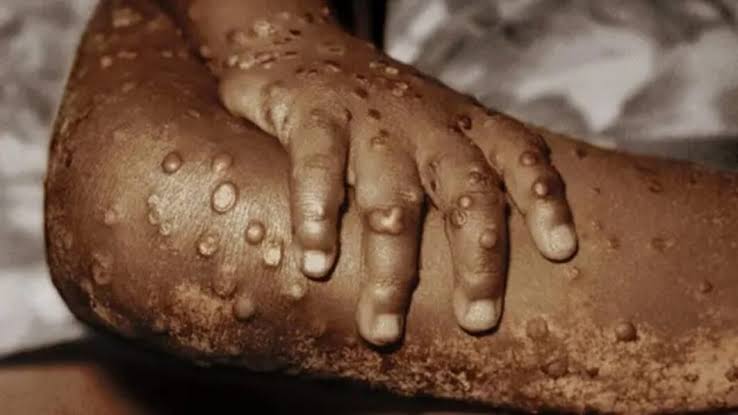
Symptoms of monkeypox resemble those of smallpox but are generally milder. They include fever, headaches, swollen lymph nodes, and a distinctive rash that evolves into pus-filled blisters.
The incubation period typically ranges from 10 to 14 days, but symptoms can take up to 21 days to manifest. While the disease often resolves on its own, severe cases can lead to complications, particularly in immunocompromised individuals.
The World Health Organization (WHO) has classified the disease’s fatality rate at 3–4%, which is a notable increase compared to earlier outbreaks.
Treatment and Prevention Measures
There is no specific treatment for monkeypox; care is mostly supportive, addressing symptoms like fever, pain, and dehydration. However, antivirals such as tecovirimat have shown promise in managing severe cases.
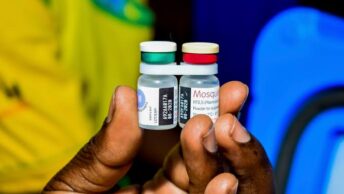
Preventive measures include vaccination with smallpox vaccines, which provide cross-protection against monkeypox. Public health strategies also emphasize the use of personal protective equipment (PPE), good hygiene, and educating communities on avoiding contact with potentially infected animals.
Current Outbreak Statistics
As of October 2024, over 18,500 cases of monkeypox have been reported across 35 countries, with more than 629 deaths. African nations like the DRC remain the hardest hit, while countries such as Nigeria have recorded over 860 cases.
The disease’s spread to countries like India, Thailand, and Australia highlights its global threat. The WHO has maintained its classification of monkeypox as a Public Health Emergency of International Concern (PHEIC), reflecting its seriousness on the global stage.
High-Risk Behaviors and Regional Concerns
In endemic regions, practices like hunting, handling, and consuming bushmeat significantly increase the risk of monkeypox transmission. Efforts to curb these practices have faced cultural and economic challenges, as bushmeat remains a staple food source in many parts of Africa.
Public health campaigns aim to educate communities about safer food handling and the importance of thorough cooking to reduce infection rriss.
The International Response
The international response has involved a mix of public health campaigns, increased surveillance, and vaccine rollouts in affected areas. The WHO and Africa CDC have been working with local health authorities to contain outbreaks and prevent further spread.
However, logistical issues and limited healthcare infrastructure in some regions have hampered effective containment efforts. The global health community continues to emphasize the need for coordinated action, adequate funding, and community engagement to combat the disease.
The Path Forward
Containing monkeypox requires a comprehensive approach that addresses both immediate and long-term challenges.
Immediate steps include enhancing diagnostic capabilities, expanding vaccination coverage, and ensuring that communities are well-informed about prevention methods. Long-term solutions should focus on improving healthcare infrastructure, especially in vulnerable regions, and conducting more research into effective treatments and vaccines.