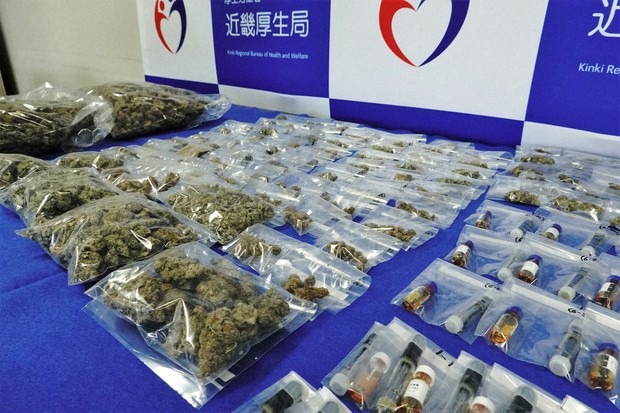

Don’t even start.
In a country where even whispers of drug use can topple celebrity careers and end political futures, Japan, last year took its war on marijuana one step further. As of December 12, simply using cannabis will now be a criminal offense, punishable by up to seven years in prison.
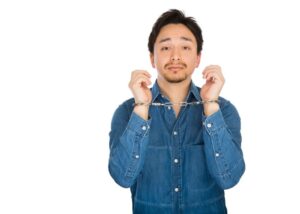
While the possession, sale, and importation of marijuana have been banned for decades under the Cannabis Control Act, the use itself remained untouched, an anomaly in the nation’s otherwise uncompromising anti-drug stance. The exception existed for a curious reason: hemp farmers.
For centuries, hemp cultivation has been woven into Japan’s cultural and spiritual fabric. Shinto shrines still use the sacred shimenawa ropes made from hemp fibers, and licensed farmers have been allowed to grow the plant for industrial purposes. Lawmakers once worried that these workers might inadvertently inhale trace amounts of THC while handling the crops, leading to a rare legal carve-out that permitted cannabis use even as every other part of the plant’s recreational life was outlawed.
That era is now over. Government-backed research concluded last year that accidental inhalation by hemp farmers is negligible. Within months, lawmakers moved to close the loophole, reclassifying cannabis as a “narcotic” under the law and broadening penalties to cover personal consumption.
“Marijuana use will no longer be tolerated in any form,” Justice Minister Ryuji Koizumi told reporters when the bill passed. “Our aim is to protect public health and uphold social order.”
Japan’s cultural aversion to drugs runs deep. In a nation where even minor offenses can lead to public shaming, drug scandals are career-killers. In 2023, Nihon University’s American football team was embroiled in controversy after revelations that school officials had ignored marijuana use among players. The incident drew national headlines and condemnation, underscoring the taboo nature of cannabis in the public consciousness.
The numbers suggest a growing problem in the eyes of authorities. Police recorded 6,703 arrests for marijuana possession in 2023 — the highest annual total on record. Nearly 70 percent of those arrested were under 30, a generational shift that has alarmed lawmakers and prompted calls for tougher deterrence.
Ironically, the same legislation that criminalizes use also ushers in a historic medical reform. Beginning in March 2025, growing marijuana for the production of THC-based medicines will be legal, offering relief for patients with chronic pain, epilepsy, and other severe conditions. The government insists the two policies are not contradictory.
Support for broader legalization, however, remains a niche cause. Last year, the fringe Japan Hemp Party fielded two candidates in local elections; one lost by exactly 420 votes, a number that did not go unnoticed by cannabis advocates.
For now, anyone caught lighting up in Japan will face not only criminal prosecution but also the near-certainty of social ruin. In a country where a drug arrest often means losing one’s job, being erased from advertising campaigns, and even having films pulled from theaters, the legal penalties are only part of the punishment.
And as the law now stands, even the act of taking a puff could be considered two crimes — possession and use — a one-two punch that prosecutors are unlikely to overlook.