
Football’s most debated rule is about to change.
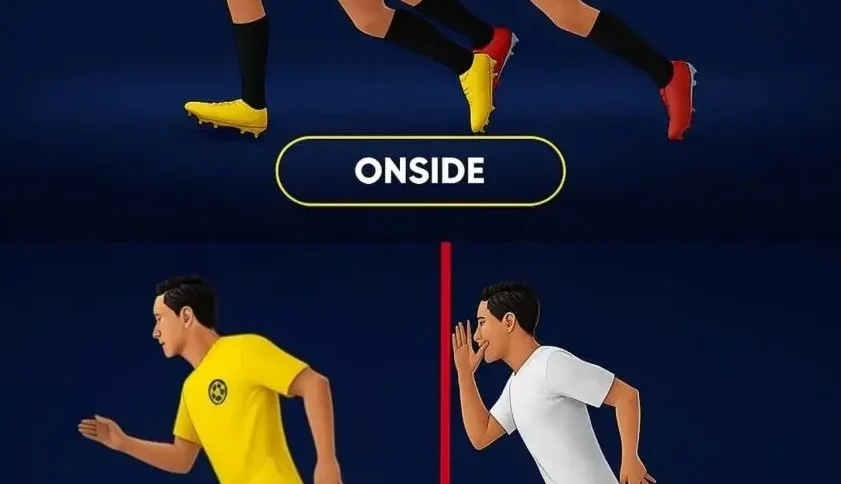
From the 2025/26 season, FIFA will begin implementing a new interpretation of the offside law: a player will only be deemed offside if their entire body is beyond the last defender.
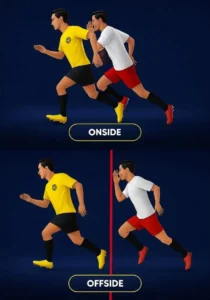
This reform marks a major departure from the previous standard, where even a striker’s shoulder, knee, or foot crossing the defensive line could trigger an offside call.
The International Football Association Board (IFAB), the body responsible for football’s laws, approved the amendment after nearly two years of discussions and trials.
The move, described as a “significant improvement,” is designed to eliminate the frustrations of so-called “millimeter offsides” that have plagued games in the VAR era.
With semi-automated offside technology already in use, officials believe the adjustment will reduce controversy and boost confidence in decisions. Assistant referees, under the new law, will be encouraged to raise the flag only in clear-cut cases of offside, allowing the game to flow more freely.
For forwards, the change is expected to provide more freedom along the attacking line. Strikers will be able to push higher without fear that a stray arm or shoulder might cancel out a chance. Football analysts suggest this could lead to more goals and an increase in attacking dynamism across leagues and tournaments.
Defenders, however, will face added pressure to maintain positional discipline. With attackers granted more leeway, defensive lines will need to stay sharper, and the value of tactical organisation may rise even further. Coaches may adjust strategies to deal with quicker transitions and forwards exploiting the extra space.
The offside rule has been central to football since the 19th century, with its origins traceable to English public schools and codified in the first Football Association laws of 1863.
Over time, it has been repeatedly modified, balancing fairness with the sport’s evolving pace and style. The latest interpretation reflects the modern game’s technological advances and appetite for more attacking play.
According to more reports, the updated law also clarifies situations involving “delayed” passes, such as when a goalkeeper launches the ball upfield to release a forward. The new text makes clear when an offside assessment should begin, closing loopholes that previously caused confusion.
As the new rule comes into effect, fans can expect debates to continue—but perhaps with fewer arguments over frozen VAR images and more focus on the game’s natural flow.