
At first glance or perception, it sounded like lighthearted banter. At a military parade in Beijing this week, Chinese President Xi Jinping and Russian President Vladimir Putin found themselves musing about immortality.

Through a translator, Putin joked about the possibility of organs being transplanted repeatedly — allowing people to grow “younger and younger” and perhaps to stave off ageing indefinitely. “It’s predicted that in this century it might become possible to live to 150,” he quipped, drawing laughter from both leaders.
But behind the humour lies a serious question that has long preoccupied scientists, futurists, and philosophers alike: could organ transplantation, or other medical breakthroughs, one day allow humans to extend life far beyond its natural limits?
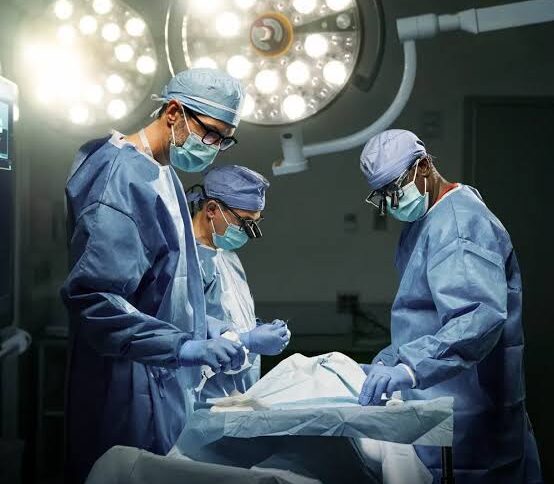
So far, the reality is far less glamorous than the science-fiction promise. Organ transplantation has saved countless lives, but it remains a risky and highly complex procedure.
Each surgery carries inherent dangers, from anaesthesia complications to infection. And even when successful, patients must take lifelong immunosuppressant drugs to prevent their bodies from rejecting the new organ. These drugs themselves can trigger side effects such as high blood pressure, kidney damage, or a heightened vulnerability to infections. Immortality, at least by current standards, is not yet on the horizon.
Yet, medical progress has been remarkable. In the UK alone, more than 100,000 lives have been saved by transplants over the past 30 years, according to NHS Blood and Transplant. Advances in surgical techniques, donor matching, and post-surgery care mean that transplanted organs are lasting longer than ever before. Some patients have lived with the same kidney for more than 50 years. On average, a kidney from a living donor can last 20 to 25 years, enough, in some cases, to outlive its recipient.
The next frontier is even more radical: creating rejection-free organs. Scientists are experimenting with genetically engineered pigs whose organs are modified to resemble human ones more closely.
Using CRISPR gene-editing technology, researchers have removed problematic pig genes and inserted human ones, making these organs more compatible with the human immune system. Though still in its infancy, the field has already recorded breakthroughs — including pioneering cases in which patients received pig hearts and kidneys. These highly experimental surgeries may pave the way for a more reliable supply of transplantable organs, and perhaps a future where waiting lists are eliminated.
Meanwhile, the pursuit of biological youth is taking other, sometimes stranger, forms. Tech entrepreneur Bryan Johnson has gained notoriety for spending millions of dollars a year on anti-ageing experiments designed to reduce his “biological age.”
One of his most controversial methods was infusing himself with plasma from his 17-year-old son, a modern twist on the age-old quest for rejuvenation. The experiment has since been abandoned, after producing no measurable benefits and drawing scrutiny from regulators like the U.S. Food and Drug Administration.
Other approaches, such as plasma replacement therapies or stem cell innovations, remain experimental, with scientists warning against premature hype. Dr Julian Mutz of King’s College London notes that while research is accelerating, none of these methods is anywhere close to a proven path to longer life, let alone immortality.
In that sense, Putin and Xi’s lighthearted conversation reflects both human fascination and human folly. The dream of living forever, or even to 150, continues to tantalise. But for now, organ transplants are a powerful tool to save and extend lives not to cheat death.