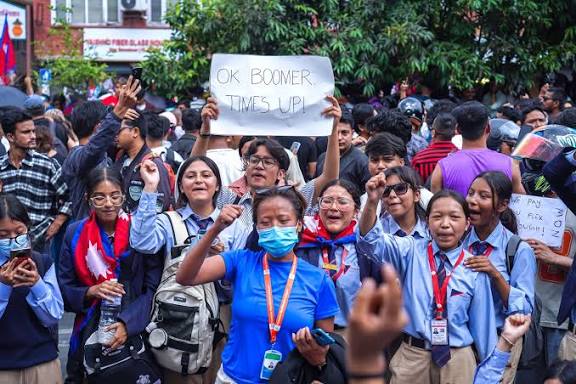

Nepal’s Gen Z protesters have achieved what once seemed unthinkable – toppling a sitting government in less than 48 hours. But the extraordinary victory has come at a staggering cost, with dozens of lives lost, billions in economic damage, and a nation still reeling from shock.
The financial toll alone is severe. The Kathmandu Post estimated losses of nearly 3 trillion Nepalese rupees ($21.3bn; £15.6bn) – almost half of the country’s GDP. The newspaper’s own offices were not spared; they were attacked by angry crowds and set ablaze.
“We are proud, but there is also a mixed baggage of trauma, regret, and anger,” said Tanuja Pandey, one of the protest organisers. For her, the protests were not just about corruption but also about the crushing reality of economic despair facing young Nepalis.

Pandey, who admits she was influenced by viral “nepo baby” content online, said one video deeply moved her – a side-by-side comparison of the lavish life of a political family and the grim struggles of an ordinary youth forced to seek work in the Gulf.
“It is painful to watch, especially knowing that even educated youth are forced to leave the country because wages here are far below what one needs to live with dignity,” she said.
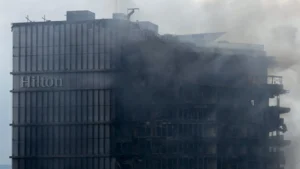
Last week’s protests were the deadliest in decades, with at least 72 people killed. Government buildings, residences of top politicians, and luxury hotels – including the Hilton, which opened in July 2024 – were torched, looted, and vandalised. The wife of a former prime minister remains critically injured after their home was set on fire.
When some protesters attempted to storm Nepal’s parliament, security forces responded with tear gas, water cannons, and live rounds.
Eyewitnesses allege police even fired at schoolchildren, sparking outrage at what many call a disproportionate use of force. An independent investigation is under way.
The fall of Prime Minister KP Sharma Oli, a leader who has returned to power multiple times in Nepal’s turbulent political cycle highlights the instability that has plagued the Himalayan nation.
For close to 2 decades, Nepal has seen 14 governments, none of which completed a full five-year term. Power has rotated between the communist bloc and the centrist Nepali Congress, with little change in governance outcomes.
With GDP per capita still under $1,500, Nepal remains South Asia’s second-poorest country after Afghanistan. An estimated 14% of its population works abroad, and one in three households relies on remittances. For young people like Pandey, the fight is not just against corruption but for a chance at a dignified life at home.
“I hope I can lead the country efficiently, hold elections on time, and hand power back to the people,” she said, voicing an aspiration that many of her peers share.
Yet anxiety looms large over Nepal’s future. The government has fallen, but the entrenched cycle of corruption, economic hardship, and political instability remains. For now, Gen Z may have won the battle, but the war to rebuild Nepal has only just begun.