
Every generation rewrites the script of the world it inherits. But Generation Z, those born between 1996 and 2010, aren’t just rewriting it. They’re flipping the pages, tearing out old chapters, and crafting a story that reflects their values: freedom, individuality, innovation, and urgency.
Welcome to the age of Gen Z, the digital natives raised on screens, shaped by pandemics, climate fear, and collapsing job security, yet uniquely equipped to turn chaos into opportunity.
The oldest Gen Zers are approaching 30; the youngest are still in school. In that range lies a whirlwind of contradictions: children building AI tools, teenagers raising climate awareness, and young adults making millions on YouTube or running crypto-based start-ups, all while battling depression and doomscrolling anxiety.
They are the first generation to grow up with the internet as oxygen, digital technology as instinct, and global crises as background noise. For them, instability is not a challenge, it’s the norm. And that’s why they adapt like water.
Your 20-year-old son might make more money from graphic design, NFTs, or TikTok than you made in your thirties. But it’s not magic, it’s mindset. Gen Z has taken traditional advice, “study hard, get a degree, work for decades”, and reinvented it.
They turn hobbies into hustles, monetize YouTube channels, and learn coding or marketing from free online platforms. They’re skipping the 9-to-5 and opting for freelance gigs, content creation, start-ups, and most importantly, financial independence.
The pandemic accelerated this shift, pushing everything online; work, school, and social life. While older generations struggled to adjust, Gen Z thrived in the virtual, understanding the algorithm better than anyone.
They are Built for Precedents
Gen Z isn’t just chasing money, they’re obsessed with freedom. This obsession isn’t always easy to understand for parents who value stability and tradition. But for Gen Z, independence equals control over their time, their identity, and their future.
They’re questioning gender norms, rejecting labels, and building a world where authenticity is power. The traditional mold “boys lead, girls serve” is not just outdated to them; it’s irrelevant.
Their role models? Not just presidents or CEOs, but teenage billionaires like Kylie Jenner, climate warriors like Greta Thunberg, and TikTok stars like Charli D’Amelio, who prove success no longer has a fixed formula.
They Care…
Beneath the sarcasm, memes, and emojis lies a generation with a profound emotional compass. Gen Z cares about the world, often more than we give them credit for.
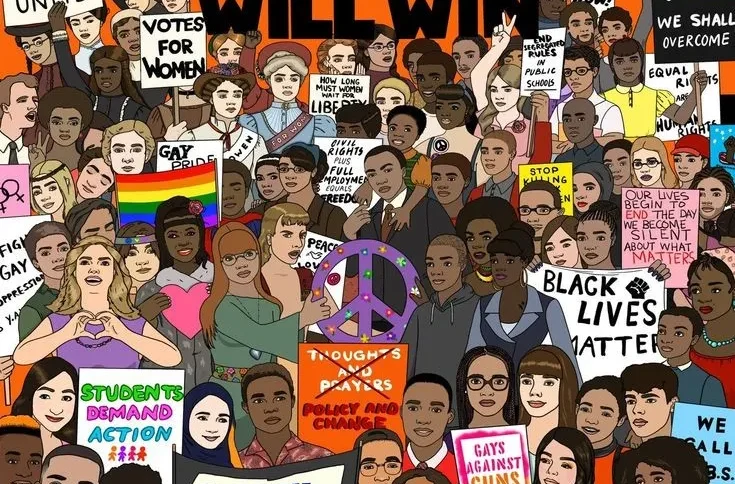
They show up for climate protests, gender rights, racial justice, and mental health awareness. They start non-profits in high school. They volunteer not for resumes, but for change. And they believe in using tech to connect, not divide.
The Dark Side of Digital
But this digital fluency has its cost. Gen Z suffers from rising rates of anxiety, depression, social isolation, and self-doubt. Information overload, cyberbullying, and the pressure to appear “perfect” online are taking a toll.
They compare their lives to curated Instagram reels, chase likes like dopamine, and feel the weight of the world before they’ve even finished growing. It’s no surprise that therapy, mindfulness, and self-care are part of their daily vocabulary.
We, the older generations, owe it to them not to mock their struggles, but to listen. We must stop saying, “Back in my day…” and start asking, “How can I support you today?”
This is a hyper-competitive generation. Not in the traditional sense of beating peers, but in innovating faster, solving problems better, and expressing themselves louder. They build things overnight, test ideas on Reddit, and crowdfund passion projects with strangers across the globe.

So, Who Are Gen Z?
They’re sensitive, bold, diverse, creative, skeptical, hopeful, and sometimes confused, just like every other generation was at their age. The difference? They’re growing up in a world that never slows down, with tools that make their voice louder than ever.
They’re figuring out who they are while trying to fix the broken world they’ve inherited.
And maybe, just maybe, we should stop judging their journey and start walking beside them.
So, before you laugh at their TikTok dances or roll your eyes at their avocado toast obsession, remember: they’re not you. And that’s exactly what makes them so powerful.