
Its still a bit tricky that Nigeria has granted the Dangote Refinery the authority to set its own gasoline prices, according to a recent government decision. However, this landmark development positions Africa’s largest oil refinery, owned by billionaire Aliko Dangote, to play a pivotal role in determining fuel prices in the country, signaling a shift in Nigeria’s long-standing approach to fuel pricing and subsidy management.
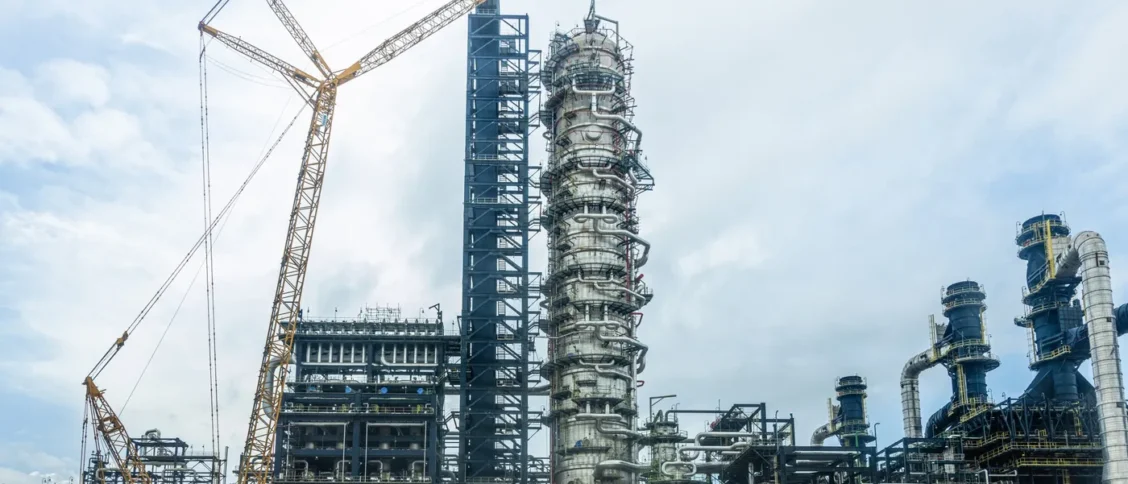
Recall that for years, Nigeria has grappled with the economic consequences of subsidizing fuel prices. The government’s attempt to maintain artificially low prices at the pump has strained the national budget and contributed to mounting debt, leaving the oil-rich nation financially vulnerable. The Dangote Refinery, with its enormous capacity to process 650,000 barrels of crude oil per day, offers Nigeria a chance to reduce its reliance on imported fuel and, potentially, phase out costly subsidies. This development could be the turning point in the country’s quest for energy self-sufficiency and financial stability.
While the announcement comes as a breakthrough, it raises several critical questions about the future of Nigeria’s fuel market. Allowing the refinery to set its own prices introduces a level of deregulation that could have profound impacts on both domestic and international oil markets. Some industry analysts predict that the refinery’s pricing could lead to fluctuations in local fuel prices, potentially lifting them higher in the short term, but offering longer-term stability as domestic production ramps up.
Also, The Refinery’s ability to determine gasoline prices is seen as a significant win for private enterprise in Nigeria, signaling a deeper collaboration between the government and private sector to address the country’s energy challenges. With the refinery expected to be a major player in not just the Nigerian but the African oil markets, its pricing power could affect fuel trade flows across the continent. As the refinery ramps up operations, Nigeria is positioning itself as a net exporter of refined petroleum products, a sharp departure from its previous dependence on imported fuel.
Government officials have voiced optimism that the move will attract further investments in Nigeria’s refining capacity. The local market has long been under-served, with decades of underinvestment in the country’s four state-owned refineries leaving the nation dependent on fuel imports. Dangote’s mega-refinery stands as a symbol of what private investment can achieve, and its success could encourage other private sector players to enter the refining market, improving Nigeria’s overall energy security.
Nevertheless, there are concerns about the broader economic implications of this decision. Critics argue that while granting Dangote pricing power may help reduce the burden on Nigeria’s federal budget, it could also lead to higher fuel prices for consumers in the short term. A potential increase in gasoline prices may spur inflation, placing additional pressure on Nigerian households already grappling with rising costs of living. Policymakers will need to strike a delicate balance to ensure that fuel remains affordable for everyday Nigerians, while also ensuring the long-term sustainability of the refinery and the broader energy sector.
Beyond the potential economic ramifications, the Dangote Refinery is expected to stimulate job creation and bolster the local economy. The refinery itself is poised to employ thousands, while secondary industries—from transportation to petrochemicals—stand to benefit from the influx of refined products. Local businesses could see a boost, and the ripple effect of this industrial giant’s operations may be felt across multiple sectors.
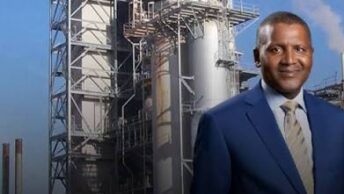
This development also marks a significant milestone for Aliko Dangote, Africa’s richest man, whose refinery project has been years in the making. The refinery’s success is not only crucial for Nigeria but also for Dangote’s legacy as a businessman committed to transforming Africa’s industrial capacity. His refinery is part of a larger vision to reduce Africa’s dependency on imported products, enhance value chains, and create a more self-reliant continent.
As Nigeria transitions towards a new era in its oil and gas sector, all eyes will be on how the Dangote Refinery navigates its newfound role as a price-setter. The government’s decision reflects a growing recognition of the need for market-driven solutions to Nigeria’s fuel crisis, yet the path ahead will require careful management to ensure that the benefits of this transformation reach all Nigerians.
The coming months will be crucial as the refinery becomes fully operational and begins to set the pace for Nigeria’s fuel market. Whether this move will lead to a more stable, self-sufficient Nigeria or trigger new challenges remains to be seen. One thing is certain: the Dangote Refinery is set to change the course of the nation’s oil industry for years to come.
How much is the price of fuel in your area?