

Collagen has long been marketed as the holy grail of youthful skin, promising fewer wrinkles, firmer texture and stronger joints. But a new scientific review suggests the reality is more measured: collagen supplements can improve skin elasticity and hydration over time, but they are far from a miracle cure.
Collagen is a structural protein found throughout the body, supporting the skin, muscles, bones, tendons and cartilage. As people age, natural collagen production declines, contributing to wrinkles, sagging skin and joint discomfort.
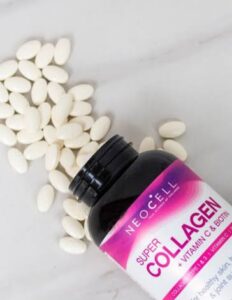
In a comprehensive review conducted by researchers at Anglia Ruskin University, experts examined the strongest available evidence on collagen supplementation. Their conclusion: collagen pills and powders can provide “some legitimate” benefits particularly for skin health and osteoarthritis but they do not stop wrinkles or reverse ageing.
The researchers reported high confidence that consistent collagen supplementation over time can boost skin hydration and elasticity. However, the improvements are gradual and modest, not dramatic transformations.
Professor Lee Smith, one of the lead investigators, said the findings help separate fact from marketing hype.
“This study brings together the strongest evidence to date on collagen supplementation,” he said. “Collagen is not a cure-all, but it does have credible benefits when used consistently over time, particularly for skin and osteoarthritis. Our findings show clear benefits in key areas of healthy ageing, while also dispelling some of the myths surrounding its use.”
Importantly, the review noted that many previous studies on collagen supplements were funded by the supplement industry, raising concerns about overly bold anti-ageing claims. The Anglia Ruskin review itself received no industry funding.

While supplements may help, experts stress that the body naturally produces collagen using amino acids derived from dietary protein.
Vitamin C plays a critical role in collagen formation. Ensuring adequate intake through foods such as citrus fruits, berries, tomatoes, peppers and green vegetables can support the body’s own production. Zinc found in meat, poultry, shellfish, cheese, nuts, seeds and whole grains also contributes to collagen synthesis.
Most collagen supplements are derived from animal products, making them unsuitable for vegans. However, plant-based diets can still support collagen production through protein-rich foods such as beans and lentils, which supply the necessary amino acids. Vegan collagen supplements are also available.
The takeaway from the review is clear: collagen supplements may offer modest improvements in skin hydration and elasticity and may help joint health but they are not a shortcut to wrinkle-free skin.
Healthy ageing, researchers suggest, remains a combination of balanced nutrition, lifestyle factors and realistic expectations.
In a market flooded with anti-ageing promises, collagen appears to deliver measurable, if limited, gains, provided it is used consistently and viewed as part of a broader approach to skin and joint care.