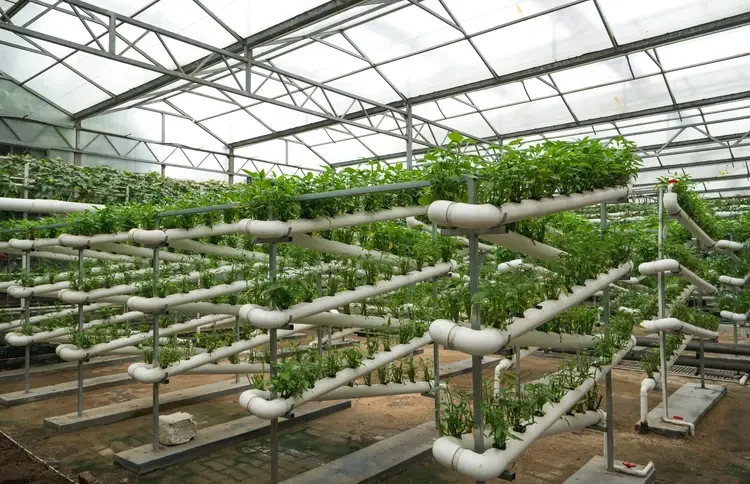

Across the world, countries are exploiting new ways to farm and improve their food production. In other words, agriculture is gradually shifting from rural communities to the heart of the cities, such that food crops can grow on balconies. How is this possible? Urban farming.
As Nigeria’s urban centres continue to swell with growing populations, the pressure on food systems has never been more intense. Farmland once used for cultivation is fast giving way to concrete, yet the demand for food rises daily. In this challenging landscape, urban farming is quietly emerging as a powerful, homegrown solution to the nation’s food security woes.
Urban farming refers to the cultivation of crops, rearing of animals, and other agricultural practices within city environments. From rooftop gardens in high-rises to vertical farms in warehouses and aquaponics in local communities, these practices offer innovative ways to produce food within Nigeria’s sprawling cities.
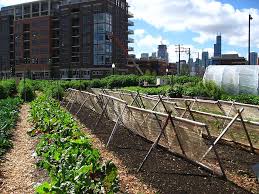
One of the most immediate benefits of urban farming is its ability to bring food closer to the people. Growing vegetables, fruits, or even fish within urban limits significantly shortens the supply chain. This means produce can get from farm to table in a matter of hours, not days, leading to lower transport costs, reduced post-harvest losses, and fresher food for consumers. For low-income communities often priced out of access to quality food, these benefits can be life-changing.
Take for instance Lagos, where community-based farms have already begun to close food gaps in some neighbourhoods. Fresh produce is cultivated and sold locally, sometimes within the same streets. Such projects not only improve access but ensure that urban residents, particularly those in informal settlements, are not entirely dependent on distant rural suppliers.
The nutritional advantage is equally significant. Many Nigerian households struggle with limited diets that are high in carbohydrates but low in essential nutrients. Urban farming gives families a chance to diversify their meals. Households that grow their own vegetables, herbs, or even poultry are more likely to consume a wider variety of food groups. This improves dietary intake and helps combat malnutrition and micronutrient deficiencies, especially in children and the elderly.
According to Diana Tenebe, the Chief Operating Officer at Foodstuff Store, the economic potential of urban farming also cannot be overstated. For many young people navigating the tough realities of unemployment, urban agriculture offers a pathway to self-employment and business creation.
Initiatives like “FarmInTheCity” in Lagos show how a simple backyard garden can evolve into a profitable agribusiness with the right support and market access. Urban farming creates jobs—not just in farming but also in logistics, processing, packaging, and sales.
Environmental benefits are another critical advantage. Traditional agriculture is increasingly vulnerable to climate shocks, erratic rainfall, floods, and prolonged droughts are affecting yields nationwide. Urban farming, especially when it incorporates techniques like hydroponics, aquaponics, and vertical systems, uses significantly less water and land. These systems are more resilient to environmental stresses and can thrive in controlled urban settings.
Moreover, urban farms help to reduce the carbon footprint associated with transporting food over long distances. They also contribute to urban greening—cooling hot neighbourhoods, improving air quality, and boosting biodiversity. In this way, they support climate resilience and ecological balance in densely populated cities.
Beyond food and climate, urban agriculture plays a valuable social role. Community gardens have become more than farming spaces they are gathering points for education, cooperation, and cultural exchange. They foster social inclusion, especially in diverse urban communities.
In many areas, residents, regardless of background—come together to share knowledge, grow food, and create lasting neighbourhood bonds.
Children also benefit, as these gardens serve as informal classrooms, teaching them about sustainability, nutrition, and teamwork.
Still, for urban farming to truly take root and thrive in Nigeria, government support is essential. The integration of urban agriculture into city planning and land use policies is overdue. Secure access to land, simplified regulations, and zoning laws that favour food production can create the enabling environment urban farmers need.
Training and education must follow. Aspiring farmers need skills in modern farming techniques, pest control, business development, and use of digital tools. Technology should be a key enabler. From mobile apps that link farmers to buyers, to climate-smart tools that predict weather and improve yield, there are opportunities to leapfrog many of the traditional barriers facing agriculture.
Infrastructure is another piece of the puzzle. Reliable power, water supply, and cold storage facilities can drastically reduce post-harvest losses and help farmers scale their operations.