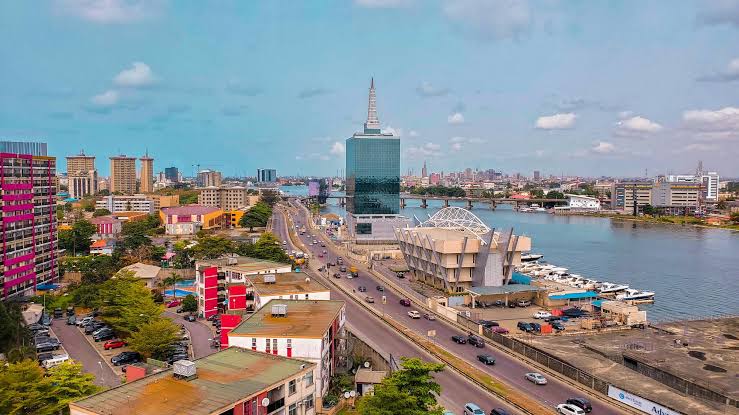

You must skilled and deliberate before you travel anywhere in Nigeria, regardless of the distance.
While traveling to Nigeria offers a vibrant mix of culture, history, and natural beauty, preparation is equally to ensuring a safe and enjoyable trip. From bustling cities to remote villages, understanding local conditions and planning ahead can make all the difference.
First things first…
First, ensure your travel documents are in order. A valid visa is required for most travelers, and your passport must be valid for at least six months beyond your planned stay. Double-check entry requirements for vaccinations, particularly for yellow fever, which is mandatory for entry into Nigeria.
Safety should be a priority. Some regions, such as the northeastern states, have heightened security risks due to terrorism and kidnappings. Research your destination thoroughly and stay updated with official travel advisories. Avoid traveling alone or venturing out at night, particularly in unfamiliar areas.
Health preparations are essential. Malaria is prevalent, so consult your doctor about antimalarial medication and carry insect repellents. Ensure you’re up to date on routine vaccinations and consider additional protections like typhoid, cholera, and hepatitis vaccines.
When planning your trip, be mindful of Nigeria’s climate. The weather varies, with a rainy season from May to October and a dry season from November to April. Pack accordingly, taking into account the heat and humidity of tropical regions.
Cash is king in many parts of Nigeria. Although credit cards are accepted in urban areas, carry local currency (naira) for transactions in rural regions. Always exchange money at reputable outlets and beware of counterfeit notes.
Local customs and laws should be respected. Nigerians are generally welcoming, but cultural norms vary. Dressing modestly, particularly in conservative regions, and avoiding discussions on sensitive topics like politics or religion will help you blend in.
Road travel can be challenging due to poor infrastructure and erratic driving habits. Opt for reputable car hire services or local guides. In major cities like Lagos or Abuja, consider using ride-hailing apps for convenience and safety.
Finally, stay connected. Register with your embassy upon arrival, and keep emergency contacts handy. A local SIM card can be invaluable for staying in touch and accessing online resources for travel updates.
Approach your journey with an open mind and careful planning for a rewarding experience.