
For decades, American high school proms have been immortalised in films as glittering rites of passage, a mix of red carpet spectacle and social milestone.
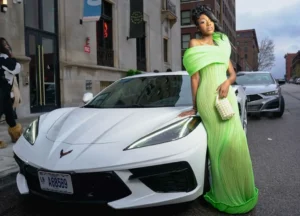
But in recent years, some of the most dazzling prom gowns in the US have been crossing oceans to arrive from unexpected ateliers in Ibadan, Accra, and Uyo.
African designers are cashing in big from this cultural shift. In 2025 alone, designers in Nigeria and Ghana collectively fulfilled more than 2,800 custom orders, with most bound for the US. The demand has transformed prom season into a reliable and lucrative sales cycle for fashion houses across West Africa, generating revenue streams once unimaginable.
Shakirat Arigbabu, who runs Keerah’s Fashion Cave in Ibadan, has become a central player in the booming trade. Her team produced more than 1,500 prom gowns this season alone, accounting for nearly all of her output.
“Ninety-eight per cent of dresses we made went to the US. We were working in shifts just to meet deadlines,” she says. The surge has allowed her to retain staff year-round for the first time, employing 60 full-time workers and an additional 130 contract staff during peak periods.
Victoria Ani, a designer in Uyo, has also tapped into the trend. Since 2022, she has shipped over 200 gowns to clients in New York, New Jersey, and California. Her small workshop of eight turns out gowns that take between three and seven days to complete. For her, the attraction goes beyond fashion—it is about cultural pride. “For many girls, choosing an African designer is a statement. It’s saying: I want something bold, unique, and tied to my roots,” she explains.
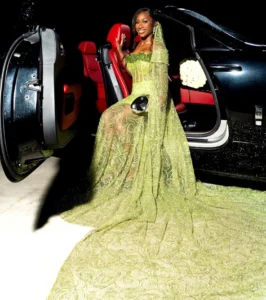
The trend is fuelled by social media platforms like TikTok and Instagram, where teenagers flaunt their prom looks. Posts by young women like Brianna, who went viral in a beaded gown with feathered detailing, have turned African couture into a digital status symbol. Popular requests range from “Coachella queen” to “Cinderella but African,” reflecting the blend of global pop culture with local traditions.
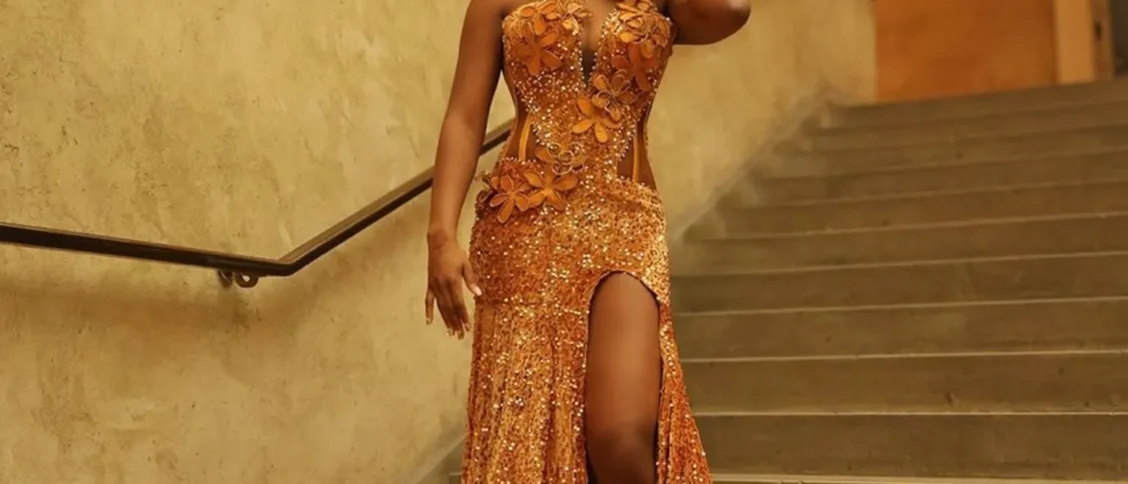
Designers are also experimenting with daring aesthetics, corseted bodices, high slits, feathered trains, detachable capes, and intricately beaded sleeves. Some looks borrow from Yoruba bridal attire, others echo Afrofuturist themes or Met Gala-style extravagance. Ghanaian designer Efua Mensah, based in Accra, notes that prom season has become “a dependable cycle of sales, and one that challenges us creatively.”
The gowns do not come cheap. Prices average between $600 and $1,000, depending on fabrics and embellishments, while custom luxury pieces can soar beyond $1,500.
For many American families, that is a considerable investment, but one they are increasingly willing to make for a once-in-a-lifetime night.
Still, the success story is not without hurdles. A new 15% US tariff on Nigerian imports threatens to undercut competitiveness for businesses like Arigbabu’s. “The tariff will increase the cost, making them less competitive in the US market,” she warns.
Yet, despite the looming challenges, African designers are proving that their craft can travel continents, shaping global trends while turning prom night into a celebration of identity that goes far beyond the dance floor.