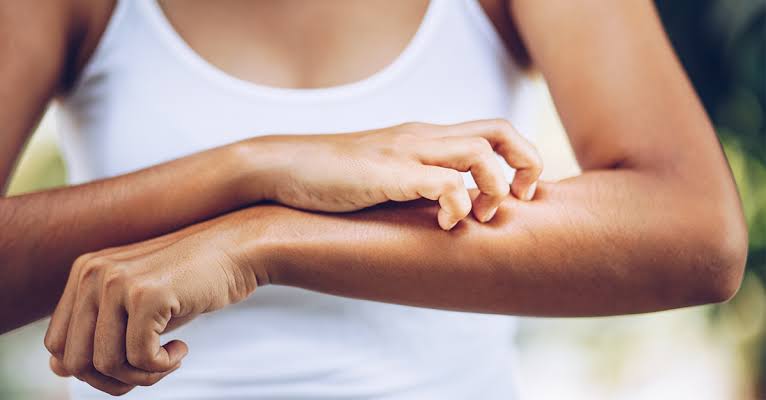

For decades, skin diseases have lingered in the shadows of global health priorities often dismissed as cosmetic concerns or trivial ailments. But last week, a pivotal shift occurred in Geneva.
Recently, the World Health Assembly, the decision-making body of the World Health Organization (WHO), unanimously passed a groundbreaking resolution recognizing skin diseases as a global public health issue for the first time in history.
The initiative, led by Ivory Coast and backed by several Global South nations, the International Alliance of Dermatology Patient Organizations, and Spain’s Anesvad Foundation—marks a major milestone in the global health agenda. The resolution urges countries to integrate skin health into their universal healthcare strategies, train frontline healthcare workers, and expand access to diagnosis and treatment, especially in underserved rural areas.
“This resolution is very important because skin diseases place an enormous burden on healthcare systems, yet they go relatively undetected because the numbers are underestimated,” said Jennifer Austin, director of GlobalSkin.
Referencing the 2024 Global Burden of Disease Study published in The Lancet, Austin noted that skin diseases account for 4.69 billion new cases annually and rank among the top ten reasons people seek medical care.
Yet, in sub-Saharan Africa, there is often less than one dermatologist per million people, a stark contrast to the overwhelming need.
For Antonie Gliksohn, a person with albinism and executive director of the Global Alliance Against Albinism, the resolution is a long-overdue acknowledgment that dermatological conditions impact both physical and mental health.
“They are not a cosmetic issue,” he stressed. “They’re a matter of survival, dignity, and human rights.”
Skin diseases aren’t just discomforting; they can be deadly. Activist Davies shared the tragic story of a woman in rural Ghana who died from an undiagnosed and untreated skin condition, despite a desperate journey to a hospital hours away. “We didn’t have the funds to treat her locally,” he said. “And she paid with her life.”
In places like Malawi, where only three dermatologists serve over 20 million people, the crisis is even more pronounced. Toni Roberts, founder of DEBRA South Africa and a patient herself, explained that babies born with rare conditions like epidermolysis bullosa often die due to a lack of training and infrastructure. “Most of the continent doesn’t even know how many cases exist,” she lamented.
Beyond the health implications, skin diseases fuel cycles of inequality and discrimination. From ruined marriage prospects for women with vitiligo to social exclusion of those with leprosy or albinism, the stigma runs deep. “With stigma, you can’t work, you can’t study, you can’t belong,” said Iñigo Lasa of the Anesvad Foundation. Davies added that some health workers refuse to touch patients out of fear, saying, “That hurts more than the disease itself.”
The resolution also calls for social and psychological support systems to be developed in tandem with clinical responses. But experts caution that the real challenge lies ahead: implementation.
“The resolution is good, but if patients don’t ultimately benefit, what’s the point?” asked Kingsley Asiedu, head of neglected tropical diseases at the WHO. “We must work with governments to turn this into policy and action.”
Dr. Claire Fuller, president of the International League of Dermatological Societies, highlighted that simple interventions could make a huge difference. “Eighty percent of skin disease cases fall under ten common diagnoses. Training healthcare professionals to handle these can go a long way.”
Gliksohn emphasized practical steps such as adding sunscreen to the WHO’s list of essential medicines, particularly for people with albinism, whose lives are at risk without adequate sun protection.
The road ahead may be long, but the resolution signals the start of a new era. “For the first time,” Gliksohn said, “millions of patients have heard that their conditions are valid, serious, and worthy of care. That recognition, alone, is revolutionary.”