Experts and Residents Endorse Inclusive Sanitation as Key to Improved Hygiene in Ibadan

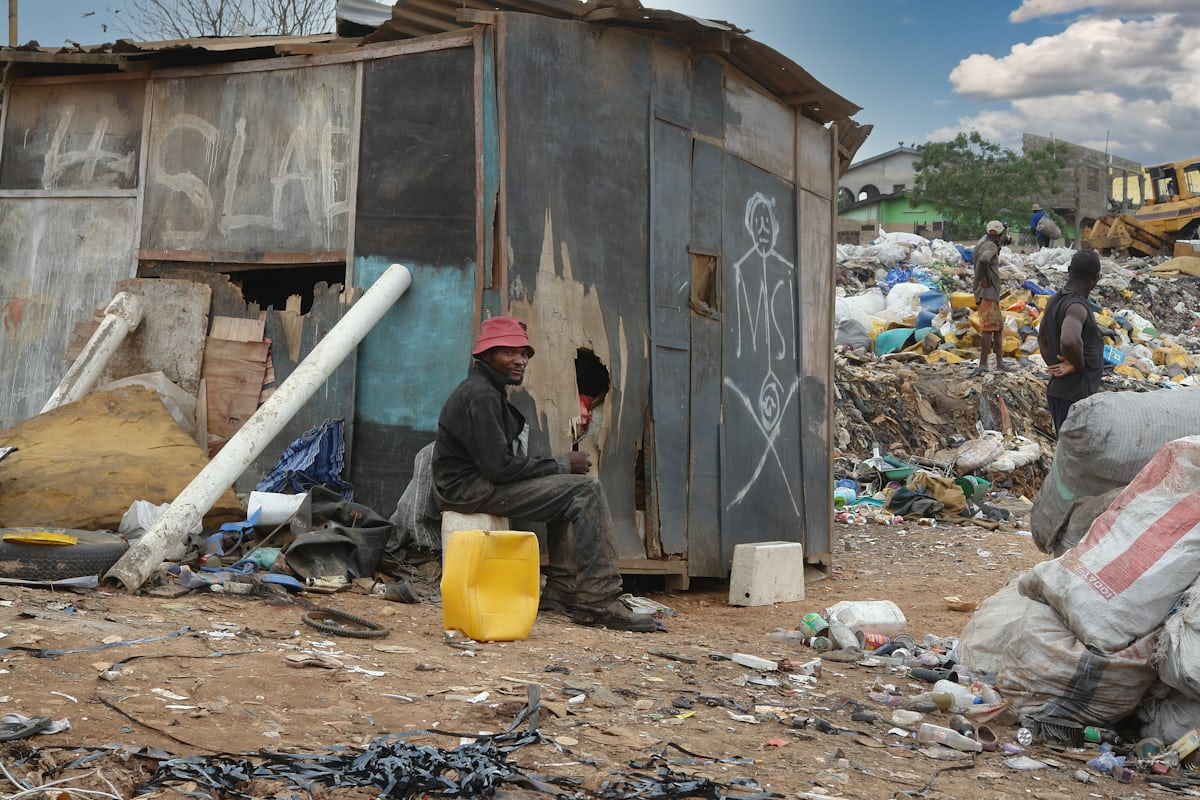
Stakeholders in Nigeria’s water and sanitation sector have reiterated the need for a massive inclusive sanitation approach to tackle the nation’s sanitation crisis, strengthen public health, and build resilient cities — with residents in Ibadan lending their voices in support.
The general Manager of the Ekiti State Water and Sanitation Regulatory Agency, Ayodele Osalade described inclusive sanitation as a practical and equitable solution that promotes access to safe sanitation for all, especially the underserved and those still battling with open defecation problems.
According to Osalade, the approach recommended by the World Health Organization (WHO) covers the entire sanitation chain, from containment and transportation to treatment and reuse ensuring that no one is left behind in efforts to achieve open defecation-free (ODF) communities.
He also mentioned how The United Nations Children’s Fund, UNICEF is collaborating with stakeholders to improve on the indices of inclusive sanitation in many communities.
“Inclusive sanitation is key to improving citizens’ health. It provides a framework for managing waste effectively and ensuring that sanitation systems are safe, equitable, and sustainable,” he explained.
He therefore urged governments and development partners to increase investments in sanitation infrastructure, local capacity development, and governance reforms, stressing that collective effort is required to end open defecation and improve public hygiene.
“When government addresses open defecation, we prevent diseases that contaminate drinking water and affect children and women the most. The financial burden of treating preventable diseases can cripple families and keep children out of school,” Osalade added.
Residents of Odo-Ona, a densely populated area in Ibadan, echoed similar sentiments. Tumishe Ajayi, a trader, noted that poor sanitation habits are largely due to a lack of proper facilities and awareness.

“Many people here don’t have access to good toilets, and some still defecate in open spaces. If government brings inclusive sanitation that everyone can benefit from, it will help people change their habits and improve hygiene,” Ajayi said.
Another resident, Kehinde Afolabi, emphasized that inclusive sanitation could make a visible difference in their community’s health and environment.
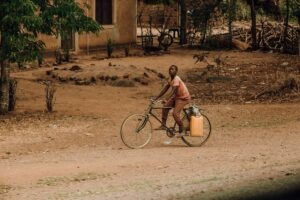
“We’ve seen children fall sick because of poor sanitation and dirty surroundings. If there’s a system that makes it easy for everyone — even those in poorer areas — to have safe toilets and waste management, it will improve hygiene and reduce sickness,” Afolabi said.
Osalade urged residents to complement government efforts by adopting the Total Sanitation approach which promotes hygiene education, safe waste disposal, and community participation to ensure long-term change.
A recent WASH National Outcome Routine Mapping (WASHNORM) report revealed that over 48 million Nigerians still practise open defecation, while only 13 per cent have access to safely managed sanitation services.
Experts warn that without inclusive and community-led interventions, cities like Ibadan could continue facing sanitation-related health challenges, environmental pollution, and productivity loss.
Osalade concluded by calling for a shared responsibility approach:
“Achieving inclusive sanitation is not just the duty of government. Every citizen must be committed to hygiene practices that protect our families and our environment. Together, we can build a cleaner and healthier Ibadan.”