
When the United Nations adopted the 17 Sustainable Development Goals (SDGs) in 2015, the vision was bold: to lift people out of poverty, safeguard the planet, and ensure prosperity for all. A decade later, progress is undeniable in some areas, but glaring gaps remain, threatening the ambition of delivering on the promise by 2030.
Access to safe drinking water, sanitation, and hygiene services has improved steadily, lifting millions into healthier living conditions. Safe water access climbed from 68% in 2015 to 74% today, while sanitation coverage rose from 48% to 58%. Basic hygiene availability also jumped to 80%.
Yet, behind these figures lies a troubling reality; 10% of the global population continues to live under high or critical water stress, with vulnerable regions bearing the heaviest burden.
Electricity access tells a similar story of uneven progress. Global electrification now stands at nearly 92%, with 45 countries achieving universal coverage. But Sub-Saharan Africa remains a stark outlier. While coverage there increased from 33% to 53%, nearly half of its population still lacks reliable power, an obstacle that deepens inequality and slows economic growth.
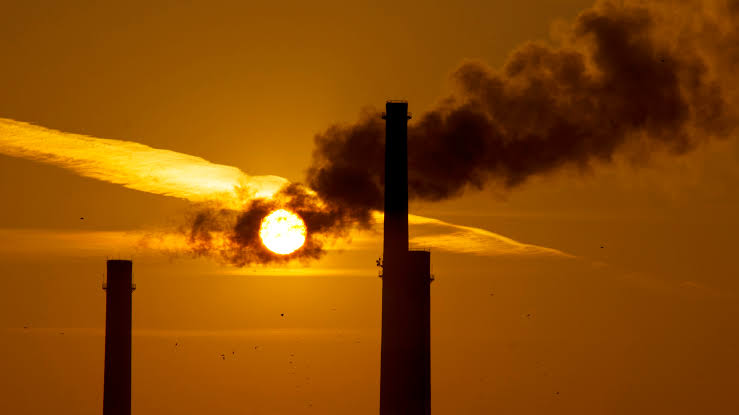
Meanwhile, the climate crisis casts a long shadow over every SDG. The world has already breached the Paris Agreement’s 1.5°C warming threshold, with record-breaking heat, wildfires, and melting glaciers serving as stark reminders of what is at stake. CO2 levels continue to rise, fueling extreme weather and biodiversity loss, even as global preparedness for natural disasters has improved, halving mortality rates since 2015.
In Europe, the urgency is particularly visible in the land and forestry sector.
Between 2014 and 2023, EU forests and land absorbed 30% less carbon compared to the previous decade, putting climate targets at risk. Yet the same sector holds vast potential, not only to cut greenhouse gases but also to restore ecosystems and support the EU’s vision of climate neutrality by 2050. The challenge lies in translating better data and science into concrete action.
The EU has made notable progress: emissions in 2023 were more than 37% below 1990 levels, driven by a pivot toward renewable energy, efficiency gains, and structural economic change. But Brussels has raised the bar higher, pledging at least a 55% cut by 2030 and net-zero emissions by 2050. That means faster transitions away from fossil fuels, halting deforestation, and ensuring sustainable land use while balancing emissions with natural carbon sinks in forests, oceans, and soil.
Globally, the task is far greater. The EU accounts for only 6% of emissions, making cross-border cooperation essential. Frameworks like the Paris Agreement and UNFCCC remain vital platforms for collective climate action. Methane reduction is emerging as a short-term lever: while the EU has cut methane emissions by 36% since 1990, mostly in energy supply, waste, and agriculture—the pace worldwide is still too slow to keep 2030 and 2050 targets in sight.
Against this backdrop, the World Economic Forum’s Sustainable Development Impact Meetings will convene in New York from September 22–26, 2025. Leaders from business, policy, and civil society will converge to share solutions, align strategies, and accelerate the global response.
With just five years to go, the urgency is clear: achieving the SDGs and averting deeper climate catastrophe demands more than promises, it requires decisive, coordinated action at unprecedented scale.