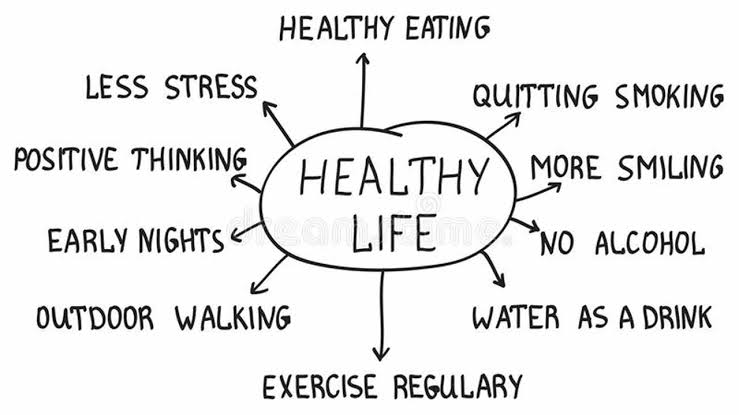

For years, people have wrestled with the idea of healthy living. For some, it means shelling out money on organic meals and fitness subscriptions. For others, it feels elitist, a privilege only the wealthy can afford.
To yet another group, it comes across as an intense curriculum, an endless cycle of diets, workouts, and discipline that’s almost impossible to sustain. But strip away the stereotypes, and the question remains: what does it truly mean to live healthy?
For context, healthy living goes beyond eating vegetables or jogging every morning. It is a deliberate set of actions, often involving sacrifice, aimed at lowering health risks and keeping the body and mind in rhythm. Research consistently shows that individuals who embrace healthy habits have longer, fuller lives.
According to an online analysis, women who maintained five key habits gained 14 more years, and men gained 12 more years, compared to those who had none.
The habits aren’t complicated in theory: eat well, stay active, maintain a healthy body weight, avoid smoking, and consume alcohol in moderation. But the practice can feel demanding, especially when balanced against financial struggles, stressful jobs, or limited access to healthy food options. That tension is why definitions of healthy living often vary from person to person.
For Mr. Kehinde Samuel, the key is moderation, finding balance rather than extremes. Mr. Ifeoluwa, on the other hand, places mental health at the center of his definition. In his view, nutritious food is important but secondary to peace of mind, though he admits diet is often tied to financial ability. For Mr. Victor Ilesanmi, sleep, safety, and mental calm form the bedrock of healthy living. These perspectives highlight an important truth: health is holistic, not one-size-fits-all.
Scientists back this up. A recent study by researchers at the Harvard T.H. Chan School of Public Health examined decades of data from the Nurses’ Health Study and the Health Professionals Follow-up Study.
They identified five pillars of longevity: diet, physical activity, body weight, smoking, and alcohol use. Each factor was measured carefully, diet quality based on intake of fruits, vegetables, nuts, and whole grains; physical activity defined as 30 minutes of moderate to vigorous movement daily; body weight assessed by BMI between 18.5 and 24.9; smoking avoidance meaning never smoked; and moderate drinking calculated within safe daily ranges.
The findings were striking. People who consistently ticked these boxes dramatically reduced their chances of dying prematurely, particularly from cancer or cardiovascular disease. In fact, poor habits like smoking, obesity, or excessive alcohol consumption were directly linked to higher risks of heart failure, strokes, and chronic illnesses. In other words, while genetics and luck play roles in health, lifestyle choices are powerful levers we can control.
Yet, healthy living is not simply about disease prevention. It is also about thriving physically, mentally, and socially. Choosing healthier meals, staying active, or cutting back on smoking makes one stronger not only for personal benefit but for the larger society. A healthier population means fewer burdens on healthcare systems, stronger communities, and longer productive years.
Ultimately, healthy living is not about perfection, it’s about progress. It is about taking small but consistent steps that add up over time, whether that means walking 30 minutes a day, reducing sugar intake, or prioritizing sleep.
As the studies show, those steps could mean over a decade of extra life. But beyond numbers, it means having the strength, peace, and vitality to live well in the years we do have.