
The boom in demand for new generation weight-loss drugs is colliding with supply pressures and price hikes, sparking growing concern among patients and health experts in the UK.
More than 1.5 million people across the country are currently using weight-loss drugs such as Ozempic, Wegovy, and Mounjaro, initially developed for managing diabetes but now widely taken for general weight control.
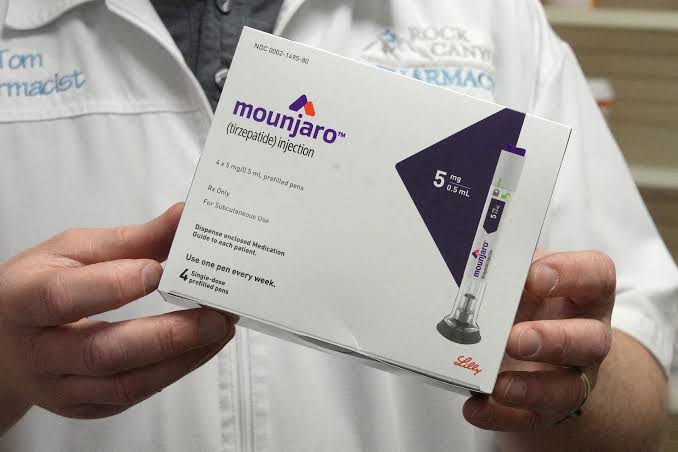
Mounjaro, manufactured by US pharmaceutical giant Eli Lilly, has quickly become the most popular option, with more than half of all users in the UK relying on it.
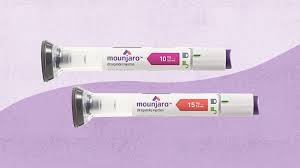
Unlike NHS prescriptions, where access is strictly limited, most patients are buying these drugs privately, either through high street pharmacies or online platforms. Estimates suggest nine out of ten users pay out of pocket, often spending hundreds of pounds each month. Mounjaro works by mimicking a natural hormone that suppresses appetite, slows digestion, and helps regulate metabolism, creating a powerful sense of fullness.
But the surge in demand has brought new complications. Side effects such as nausea, bloating, constipation, and diarrhoea are common but usually manageable. Yet more serious risks are emerging. Hundreds of patients have reported problems with their pancreas, prompting an investigation by the UK’s Medicines and Healthcare products Regulatory Agency (MHRA). Experts warn that misuse or abuse of the drug could make these risks worse.
The situation has become more strained since Eli Lilly confirmed a price increase for Mounjaro, effective from September.
The company argued the drug had been sold in the UK at a price “significantly below” that charged in Europe and the US, and the adjustment was needed to bring prices in line. Although the rise may not be as steep as some feared, pharmacies have warned it will still hit patients hard, particularly those already struggling with the high cost of treatment.
Fears of shortages have added to the anxiety. Pharmacies report they are now prioritising existing patients on the drug over new starters, while Eli Lilly has asked UK distributors to stop accepting bulk orders from pharmacies in a bid to prevent stockpiling. Supplies are expected to stabilise by early September, but uncertainty remains.
Henry Gregg, chief executive of the National Pharmacy Association (NPA), urged restraint, warning patients not to hoard supplies. “This increase in the cost of Mounjaro has caused understandable concern to patients and pharmacies alike and has resulted in short-term pressures on supply,” he said. “We ask patients to avoid bulk ordering because it can significantly impact availability and pose risks to patient safety.”
The growing popularity of these appetite-suppressant drugs reflects a profound shift in attitudes toward medical weight management. But with costs rising, supplies tightening, and long-term health impacts still under study, Britain’s appetite for Mounjaro could be heading for a difficult reckoning.