
Nigeria’s Booming “Manpower” Market Raises Alarm Over Health Risks, Marital Strain

Why is there a mad rush for sexual enhancing pills or herbal concoction? To what end?
Across Nigeria, brightly packaged bottles of bitters, pills with names like Wild Tiger, Black Stallion, Hyergra, and Rhino Max, alongside herbal concoctions are either sold in recycled plastic bottles or lined on the shelves of shops and roadside kiosks. They are marketed aggressively on social media, pitched in hushed tones in WhatsApp groups, and whispered in marketplaces with promises of stamina, virility, and restored confidence. Yet beneath the allure of “lasting all night” lies a silent epidemic: unregulated sex enhancers are leaving many Nigerians with damaged organs, broken marriages, and in some cases, irreversible health conditions.
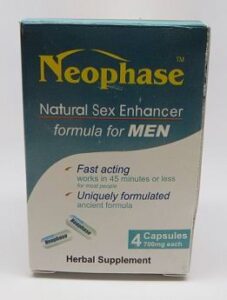
The booming market reflects an urgent, if troubling, search for sexual validation. Experts warn that many men, pressured by societal expectations of performance and masculinity are turning to unregulated aphrodisiacs without medical guidance.
The consequences are severe, ranging from cardiovascular complications to priapism, a prolonged and painful erection that can lead to permanent erectile dysfunction if untreated. With global erectile dysfunction cases projected to exceed 320 million by 2025, health observers fear Nigeria may account for a worrying share of the statistics.
Studies confirm the widespread use. A 2024 survey published in BMC Public Health found that 64 percent of nearly 800 adults in Northern Nigeria had used traditional medicine for sexual enhancement at least once, with men in their twenties being the highest users.
A separate 2022 study in Southwestern Nigeria reported that 79 percent of men aged 20 to 35 had tried sexual performance enhancers, with nearly one-third using them weekly. While most reported no immediate side effects, over 20 percent experienced adverse reactions, and some ended up hospitalized.
Community pharmacists are also caught in the surge. Research conducted in Ogun State by Uduakobong E. Bassey and Timothy O. Fajemirokun revealed that sildenafil and tadalafil, commonly known by brand names like Viagra and Cialis, were being sold daily, often without prescriptions. Over 86 percent of pharmacists surveyed admitted to dispensing enhancers over the counter, despite the risks.
While some offered counselling, many assumed buyers already knew what they were taking. The researchers concluded that such sales had become a normalized practice in Nigerian pharmacies.
Doctors warn that the health risks are compounded by Nigeria’s weak healthcare system. Professor Chinyere Mbakwem of the University of Lagos lamented that Nigeria’s pool of cardiologists, the very specialists needed to manage drug-related cardiovascular complications, is shrinking due to migration, while young doctors shy away from specialisation because of poor pay and working conditions.
This shortage leaves patients vulnerable, especially as counterfeit and adulterated drugs flood the market.
The National Agency for Food and Drug Administration and Control (NAFDAC) has repeatedly raised alarms. Just this August, in collaboration with the Nigeria Customs Service, the agency intercepted 16 containers of substandard pharmaceuticals worth an estimated N20.5 billion at Onne Port, Rivers State.
Among the haul were 280 packs of counterfeit Hyergra tablets, a fake version of sildenafil citrate. Despite such crackdowns, the sheer demand ensures that illegal products continue to slip through porous borders.
But beyond the pills and powders, experts say the deeper issue is psychological. “Most of the performance-related problems we see in marriages stem from stress, financial hardship, and unresolved emotional conflicts, not biology,” says Dr. Sixtus Ozuomba, chairman of the Lagos chapter of the Society of Family Physicians of Nigeria.
He argues that sexual performance is closely tied to mental and emotional well-being, and that quick fixes mask, rather than resolve, the real problems. “The pressure and anxiety these drugs create can destabilise marriages. Seeing a therapist does not mean something is wrong; it can actually improve intimacy and communication.”
Health specialists insist that confronting Nigeria’s “manpower” epidemic will require more than confiscations and regulations. It will demand a cultural shift: honest conversations in marriages, schools, and religious spaces about sexuality and self-worth.
Until then, the shelves will stay stocked, the market will thrive, and too many Nigerians will continue to pay the hidden price of pleasure, with their health, dignity, and in some cases, their very lives.