World Breastfeeding Week 2025: Supporting Mothers is a Lifeline for the Planet and Its People

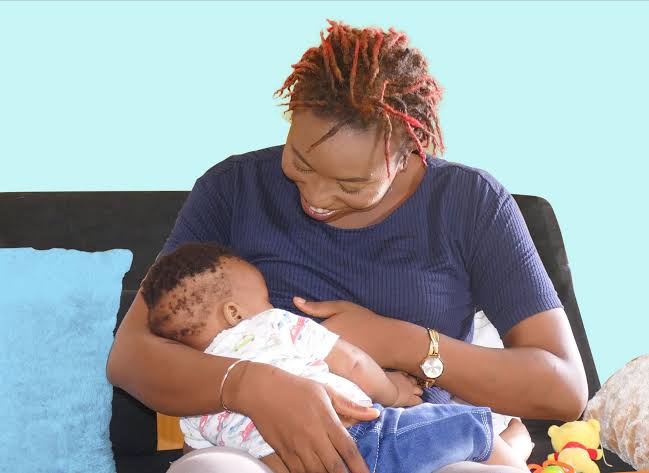
Breastfeeding is one of the few human acts that are both instinctive and profoundly impactful, not only for a child’s survival and growth but also for the health of our planet.
As the world marks World Breastfeeding Week (August 1–7), the conversation extends far beyond nurturing newborns; it encompasses sustainability, equity, and the collective well-being of societies.
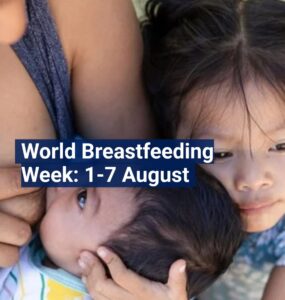
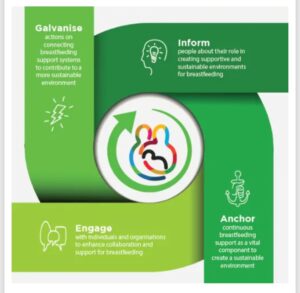
This year’s theme, “Prioritise Breastfeeding: Create Sustainable Support Systems,” plays up the urgent need to build environments where mothers are empowered and supported at home, at work, and in healthcare settings.
Spearheaded by WHO, UNICEF, Ministries of Health, and global civil society partners, the campaign places emphasis on long-term investments that enable mothers to make informed decisions and receive the guidance they need to breastfeed successfully.
Breastfeeding offers one of the simplest, yet most far-reaching solutions to several pressing global challenges. It is a renewable, natural source of nourishment that comes without packaging, manufacturing emissions, or the carbon footprint associated with artificial infant formula. At a time when the world grapples with environmental degradation, breastfeeding emerges as a quietly revolutionary act, an everyday contribution to climate resilience.
“Scientific evidence shows that breastfeeding, not only in the first hour of life but exclusively for the first six months, can save lives and support the healthy development of children,” said Sunny Guidotti, Deputy Representative of UNICEF in Cuba.
Indeed, the benefits are wide-ranging. Breastfeeding has been shown to reduce the risk of respiratory infections, diarrhea, obesity, and diabetes in infants, while also lowering the risk of breast and ovarian cancer in mothers. Beyond the physical, it fosters a vital emotional connection between mother and child, offering security and warmth in the earliest moments of life.
But breastfeeding doesn’t happen in a vacuum. It depends heavily on the world surrounding the mother. Whether she continues to breastfeed often hinges on whether she receives practical and emotional support from her partner, healthcare providers, employers, and society at large. Unfortunately, millions of women are denied that ecosystem of care—silently pressured to give up or substitute, often due to the aggressive marketing of formula products or lack of maternity protections in the workplace.
To address these gaps, WHO and UNICEF are urging countries to invest in skilled breastfeeding counselling, enforce the International Code of Marketing of Breast-milk Substitutes, and implement policies that safeguard and normalize breastfeeding in public and professional settings.
The campaign’s relevance extends into the heart of the UN Sustainable Development Goals (SDGs), offering measurable contributions to at least four of them:
– Zero Hunger (SDG 2): Breastfeeding is a powerful tool to combat malnutrition, ensuring infants receive essential nutrients even in the most resource-constrained environments.
– Good Health and Well-being (SDG 3): It dramatically lowers child mortality, promotes maternal health, and strengthens immunity in early childhood.
–Gender Equality (SDG 5): Supporting breastfeeding respects women’s autonomy and acknowledges their contribution to societal health. It also calls for institutional changes to accommodate the realities of motherhood.
–Reduced Inequalities (SDG 10): In areas where poverty and hunger persist, breastfeeding levels the playing field, providing babies with safe and nutritious food regardless of economic status.
Ultimately, breastfeeding is not just a personal choice, it is a public responsibility and a societal investment. When communities prioritise breastfeeding, they are not merely encouraging a healthier generation of children. They are laying a foundation for stronger economies, more resilient healthcare systems, and a cleaner planet.