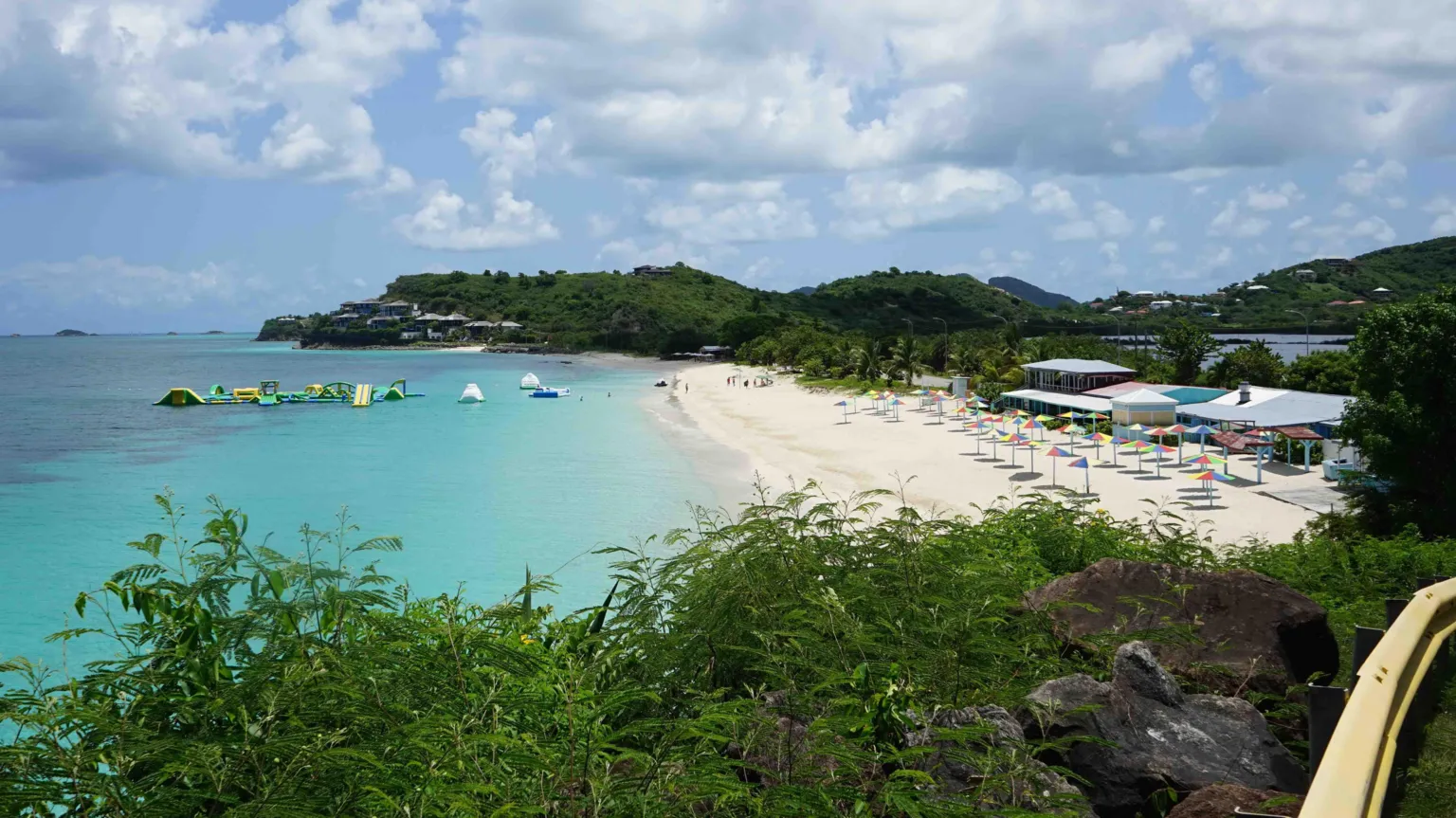

The Eastern Caribbean’s shimmering blue waters and sun-drenched shores are as alluring as ever. But today, it’s not just the promise of paradise that’s drawing new residents, it’s the chance to become a citizen.
Across five island nations; Antigua and Barbuda, Dominica, Grenada, St Kitts and Nevis, and St Lucia—the property market is booming, and many homes now come with a powerful incentive: a passport.
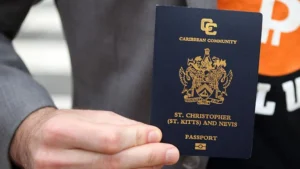
These nations are offering citizenship by investment (CBI) to those who buy property or contribute to national funds, a move that is reshaping the islands’ demographics and development.
For $200,000 or more, investors can secure citizenship and gain visa-free access to up to 150 countries, including the UK and the Schengen Zone. There are no residency requirements, no capital gains or inheritance taxes, and in some countries, even income is spared. Investors are also free to keep their original citizenship.
For many, these benefits are too good to pass up, especially in times of global uncertainty. According to Henley & Partners, a global investment migration consultancy, U.S. citizens have made up the majority of applicants in the past year, followed closely by individuals from Ukraine, Turkey, Nigeria, and China. In the wake of political turbulence and economic unpredictability, interest in Caribbean CBI programmes has jumped 12% since late 2024.
According to a report by The BBC, some buyers, like Robert Taylor from Halifax, Canada, see the islands not just as a bolt-hole, but as a future home. Taylor purchased a property in Antigua before the investment threshold rose from $200,000 to $300,000. He now plans to retire on the island later this year.
“Being a citizen gives me the flexibility to stay as long as I like and opens doors for business,” Taylor explains. “Antigua has beautiful water, friendly people, and sunshine, everything I want for the next phase of life.”
While many view the CBI programmes as a win-win, they haven’t been without criticism.
When Antigua first introduced its passport-for-sale scheme in 2012, public outcry followed. Protests erupted as citizens worried about the implications of selling national identity to outsiders. Gisele Isaac, a former Speaker of Antigua’s House of Representatives, remembers the backlash vividly.
“People felt we were selling our identity to people who knew nothing about us,” she said.
Even now, opposition continues from neighbouring countries that don’t offer CBI. Prime Minister Ralph Gonsalves of St Vincent and the Grenadines has voiced concerns about reducing citizenship to a commodity, arguing that national identity should not carry a price tag.
Still, for the five Caribbean nations that offer the scheme, the financial gains are hard to ignore. Dominica’s government reports over $1 billion raised since its programme began in 1993. Those funds have financed major public infrastructure, including a modern hospital.
Meanwhile, Prime Minister Roosevelt Skerrit of Dominica insists the process is robust and transparent, with safeguards in place to screen applicants thoroughly. Similarly, St Lucia’s Prime Minister Philip J Pierre maintains that the country adheres to strict security standards to ensure that its programme isn’t exploited by criminal elements.
The stakes are high. These small island nations, often battered by hurricanes and dependent on tourism, face harsh economic realities. Leaders have called CBI a lifeline, vital for rebuilding after disasters, sustaining pension systems, and reducing debt.
At an April regional summit, Antigua’s Prime Minister Gaston Browne stated plainly that CBI revenues helped rescue the country from financial collapse.
Beyond property purchases, investors have other routes to Caribbean citizenship. These include one-time donations to national development funds—starting at $200,000 for individuals in Dominica or contributions of $250,000 for a family of four in Dominica or St Kitts. In Antigua, a $260,000 donation to the University of the West Indies is also an option, offering citizenship and supporting education.