Africa’s Food Crisis Deepens as Transport Failures and Climate Pressures Threaten Supply Chain

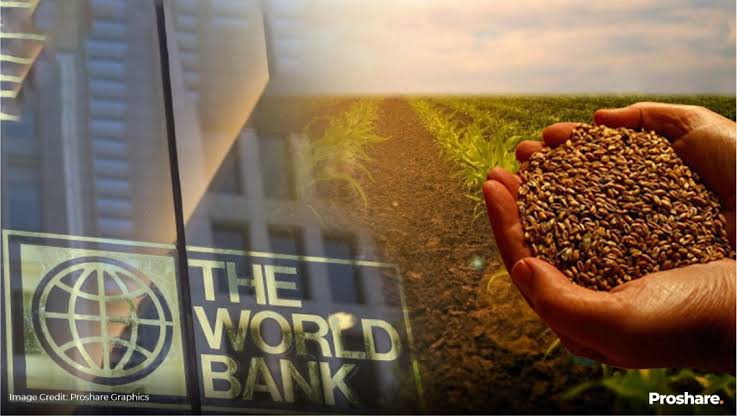
Africa’s fight against food insecurity is being undermined by failing transport systems, not just poor agricultural yields, a new World Bank report has revealed.
The report, Transport for Food Security in Sub-Saharan Africa: Strengthening Supply Chains, paints a grim picture: 37% of food produced across the continent is lost during transit, due to poor roads, sluggish processing, and bureaucratic bottlenecks at borders.
As a result, food often rots before reaching the people who need it most, a devastating blow in a region where 58% of the population is already food insecure.
“Food insecurity in Africa isn’t just about producing more—it’s about fixing the broken systems that prevent it from getting where it’s needed most,” said Axel van Trotsenburg, World Bank’s Senior Managing Director. “By improving transport, we can remove key bottlenecks and reduce costs, ensuring reliable access to food for millions.”
According to the report, food supply chains in Africa are four times longer than those in Europe, leading to spiraling costs, delays, and widespread spoilage. The Bank recommends a targeted focus on 50 high-impact transport hubs including 10 ports, 20 border crossings, and 20 road corridors—arguing that investment in these areas could transform Africa’s fragile food networks.
World Bank transport expert Charles Kunaka stressed, “We cannot solve Africa’s food crisis without solving transport. With the right infrastructure, we can build a food system that works for everyone.”
The Bank is already committing $45 billion to food and nutrition security across 90 countries, including major infrastructure projects like the $300 million rural roads upgrade in Ethiopia and the $345 million Dar es Salaam Maritime Gateway Project in Tanzania. These projects aim to improve rural market access and strengthen regional trade routes.
While the World Bank is focused on logistics, Nigeria is turning to science. Professor Abdullahi Mustapha, Director General of the National Biotechnology Research and Development Agency (NBRDA), has called for the immediate deployment of agricultural biotechnology to boost Nigeria’s food systems.
“With rising climate threats, population pressure, and biotic stresses, we must innovate fast,” Mustapha said. “Biotechnology can help us create crop varieties that are more resilient, more nutritious, and less vulnerable to pests and diseases.”
From drought-resistant maize to fortified cassava, scientists believe biotech innovations can boost harvests while protecting the environment. But regulatory hurdles, public skepticism, and limited awareness remain challenges to scaling biotech solutions nationwide.
Experts say both strategies hard infrastructure and high-tech agriculture are essential to secure Africa’s food future. While biotechnology may increase yields and make crops more resilient, only a robust transport network can get that food to the millions who need it.
As climate change intensifies and conflict zones cut off access to rural areas, stakeholders across the continent are calling for urgent action.
“This is not the time for fragmented solutions,” said van Trotsenburg. “Africa’s food crisis demands an integrated response—from better roads to smarter seeds. The time to act is now.”