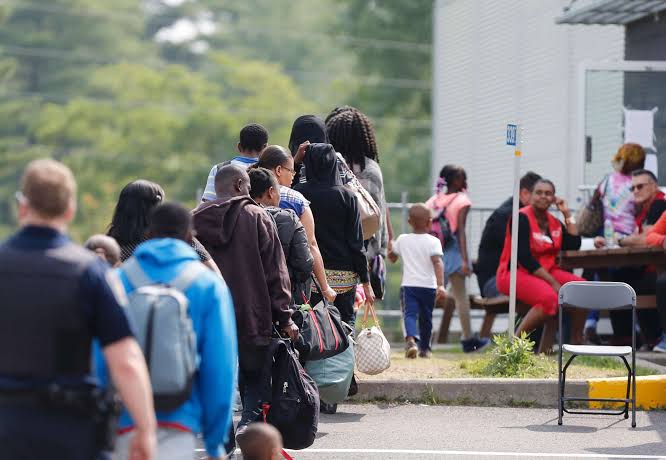

No fewer than 13,171 Nigerians who sought refugee protection in Canada between January 2013 and December 2024 were denied by the Canadian government, placing Nigeria among the top five countries with the most rejected asylum claims.
Data from the Refugee Protection Division (RPD) of the Immigration and Refugee Board (IRB) of Canada revealed that 811 Nigerians were denied refugee protection in 2024 alone, making Nigeria the fifth-highest country on the rejection list. Other nations with high rejection figures include Mexico (2,954), India (1,688), Haiti (982), and Colombia (723).
Despite these numbers, Nigerians continue to pursue refugee status, citing fears of persecution and violence.
However, the Canadian government maintains a strict evaluation process based on the 1951 United Nations Convention relating to the Status of Refugees, which defines refugees as persons with a “well-founded fear of persecution” based on their race, religion, nationality, political opinions, or membership in particular social groups.
Social groups recognized under the convention include individuals facing discrimination due to sexual orientation, gender identity, or those living with HIV/AIDS. To qualify for protection, applicants must also demonstrate credible evidence of facing torture, risk to life, or cruel and unusual treatment if forced to return to their home country.
Applications for refugee status in Canada usually begin when individuals declare their intention at any port of entry or through an immigration officer. If deemed eligible, the case is forwarded to the Refugee Protection Division, which conducts hearings to assess the applicant’s claims. Only those who meet the UN definition are granted asylum.
While thousands of Nigerians have faced rejection, a significant number have successfully obtained protection. Official data shows that fewer than 20 Nigerians were granted refugee status in 2013, while 308 and 394 were approved in 2014 and 2015, respectively. Successful claims increased steadily, reaching a peak of 2,302 approvals in 2021.
In contrast, countries such as Turkiye (4,866), Mexico (4,363), and Colombia (3,340) had higher refugee acceptance rates than Nigeria. Other nations with notable approved claims include Iran (3,200), Pakistan (2,556), and Afghanistan (1,921).
Experts suggest that many Nigerian applicants face systemic challenges when seeking asylum. Imaobong Ladipo-Sanusi, the Executive Director of the Women Trafficking and Child Labour Eradication Foundation, argues that gender-based violence, human trafficking, and political persecution are among the factors driving Nigerians to seek refuge abroad.
As Canada tightens its immigration policies, human rights advocates warn that vulnerable Nigerians may face heightened risks if their protection claims are dismissed. Despite the barriers, the growing number of applicants signals ongoing concerns about safety and human rights conditions in Nigeria.