

Time heals, well, trauma don’t.
Trauma, whether emotional or psychological, can be deeply disruptive, leaving lasting effects on a person’s mental and physical well-being. While some traumas stem from life-altering events like natural disasters or violent assaults, others—often called “little t” traumas—arise from everyday experiences such as workplace stress, bullying, or relationship breakdowns.
Unlike minor stressors that can be processed in real time, trauma overwhelms the mind and body, creating feelings of helplessness and a lingering sense of insecurity. If left unchecked, it can erode self-esteem, impact relationships, and even affect physical health.
Unchecked trauma can manifest in several ways, including:
– Difficulty trusting others
– Increased guilt or shame
– Struggles with emotional resilience
– Fear of change or vulnerability
– Issues with attachment and relationships
– Physical symptoms like headaches and nausea
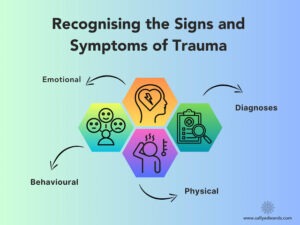
For many, workplace-induced trauma can be especially damaging. Studies show that a toxic work environment can lead to anxiety, concentration difficulties, and even career setbacks. “Trauma can change people’s assumptions about themselves and the world,” explains Ryan Vogel of Temple University’s Fox School of Business. “If you’re treated badly, you start to believe you’re worthless.”
Post-Traumatic Growth: Finding Strength in Adversity
While trauma can be debilitating, experts say it can also lead to *post-traumatic growth*—a newfound sense of self-awareness, resilience, and emotional depth. This growth often occurs naturally but can also be cultivated through deliberate actions, such as:
– Seeking counseling or therapy
– Building a strong support network
– Engaging in resilience training
– Reframing past experiences to find meaning in adversity
By facing trauma head-on, individuals can not only heal but also develop a deeper understanding of themselves and the world around them.
Healing is Possible
Overcoming trauma is not about forgetting the past but learning how to process and move forward. Support from family, friends, or mental health professionals can make a significant difference. Research consistently shows that healing happens best in connection with others.
“Developing mental fitness will help you heal,” says trauma expert Dr. Lisa Johnson.
“You’ll gain perspective and understand that someone else’s behavior says more about them than it does about you.”
While the path to recovery may be long, seeking help and embracing growth can transform trauma from a source of pain into a catalyst for strength, resilience, and renewed hope.