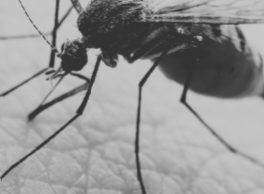
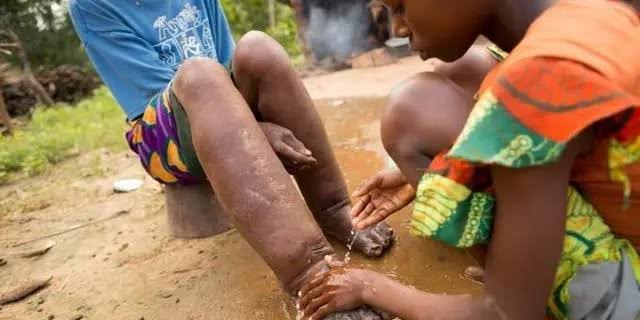

Neglected tropical diseases (NTDs), a group of communicable and non-communicable diseases prevalent in tropical and subtropical regions, pose a significant threat to Nigeria.
With over 122 million Nigerians at risk of at least one NTD, the country carries 25% of Africa’s total burden, making it one of the worst-affected nations on the continent.
What Are NTDs?
NTDs thrive in conditions of poverty, poor sanitation, overcrowding, and unsafe water supply. They are prevalent among the most vulnerable populations, particularly children and women in rural areas lacking basic infrastructure.
These diseases include Onchocerciasis (river blindness), Lymphatic Filariasis (elephantiasis), blinding trachoma, and leprosy, among others.
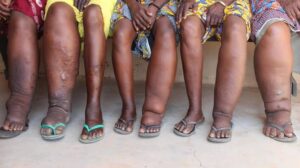
Globally, over a billion people are affected by NTDs, with Africa accounting for nearly half of these cases. In Nigeria, the impact is staggering, with millions of people infected with more than one NTD.
Nigeria Minister of State for Health, Dr. Iziaq Salako, categorized it as an emergency: “Neglected tropical diseases remain a significant health and socioeconomic burden for Nigeria, largely tied to poverty and lack of access to essential services.”
While some progress has been made, challenges persist. Nigeria eradicated guinea worm in 2013, and two states, Plateau and Nasarawa, have successfully eliminated Onchocerciasis.
In the same vein, transmission of the disease has been interrupted in eight other states, and nearly 40 million people no longer require treatment for Lymphatic Filariasis across 20 states and the Federal Capital Territory.
However, the fight is far from over. Stockouts of essential treatments, such as Multi-Drug Therapy (MDT) for leprosy, have left over 3,000 diagnosed individuals, including 800 children, without necessary care for over a year. Peter Terver, President of IDEA-Nigeria, highlighted the dire consequences of these delays: “Unnecessary bureaucratic obstacles have left thousands without treatment, causing preventable disabilities and prolonged suffering.”
The Cost of Eliminating NTDs
The Federal Government has reaffirmed its commitment to eliminating NTDs by 2030, but the financial burden is significant.
An estimated $18.7 million is required over the next five years to eliminate blinding trachoma, scale up treatment for Onchocerciasis in 22 states, and achieve 62% coverage for Lymphatic Filariasis morbidity management.
The World Health Organization’s (WHO) NTD Roadmap (2021–2030) provides a framework for action, emphasizing accountability, integrated approaches, and sustained political commitment. Dr. Salako stressed the importance of collaboration: “Nigeria continues to engage with other disease-endemic countries, stakeholders, and partners in line with the WHO roadmap to achieve our goals.”
Urgent Actions Needed
This year’s World NTD Day theme, Act Now. Act Together. Invest in NTDs, serves as a stark reminder that delayed action has dire consequences. Abdulazeez Musa, Country Director of CBM Global Nigeria, stated, “Delayed action leads to lost lives, diminished livelihoods, and prolonged suffering. The time to act is now.”
Key steps to accelerate progress include:
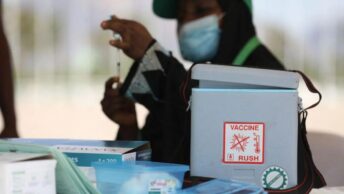
1. Uninterrupted Access to Medication: The government must remove regulatory barriers and ensure a steady supply of MDT and other essential drugs.
2. Increased Investment: Securing the $18.7 million needed for elimination programs is critical to achieving the 2030 targets.
3. Strengthening Infrastructure: Improving water, sanitation, and housing conditions will address the root causes of NTDs.
4. Community Engagement: Raising awareness and empowering local communities to participate in elimination efforts will drive sustainable progress.
What’s Next?
While the government has pledged its commitment, the fight against NTDs requires collective effort. International donors, non-governmental organizations, and private sector partners must align resources and expertise to support Nigeria’s efforts.
As one of the countries bearing the heaviest burden of NTDs, Nigeria’s success in tackling these diseases will not only save lives but also serve as a model for other nations.