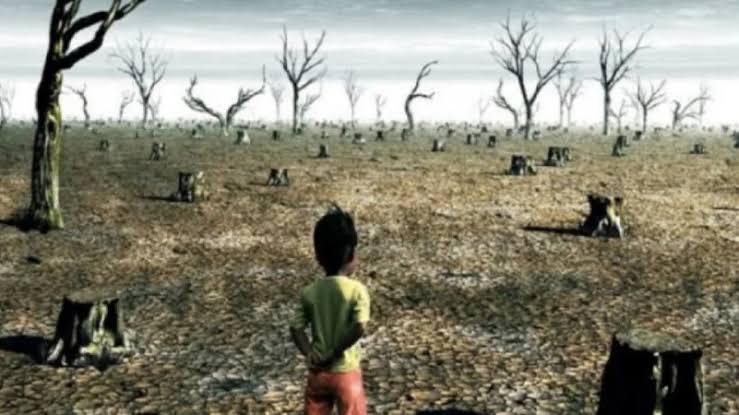

The escalating climate crisis in the world today is disrupting industries at an unprecedented pace. Global temperatures reached historic highs in 2024, exposing businesses to extreme weather events that cripple supply chains, escalate food prices, and threaten livelihoods.
A new report by the World Economic Forum highlights a stark reality: no company can adapt alone. Resilience now hinges on the strength of entire value chains working collectively to combat climate risks.

Technology has emerged as a critical tool in this fight. From artificial intelligence (AI) and drones to Earth observation tools, cutting-edge innovations are helping businesses predict, adapt to, and mitigate climate impacts. However, experts argue that technology alone is insufficient.
“Adaptation is first an information problem because leaders have to understand the forces of change to design solutions,” says Andrew Zolli of Planet Labs.
Collaboration across industries, governments, and communities is essential to unlock the full potential of these tools.
The food industry, particularly vulnerable to climate disruptions, is a prime example. Extreme weather events like droughts and floods have slashed crop yields and driven up food prices worldwide. Recall, in 2024, droughts in Spain reduced olive production by 40%, causing a 27% spike in olive oil prices. Similarly, cocoa prices surged by 400% after severe weather battered farms in Ghana and Côte d’Ivoire. These crises highlight the interconnectedness of global food systems and the urgent need for coordinated adaptation strategies.
The report identifies advanced technologies as key to fortifying food systems. Precision farming, regenerative agriculture, and AI-powered digital platforms are revolutionizing how crops are grown, harvested, and distributed. For example, in Burkina Faso, Synecoculture—a method combining regenerative agriculture with AI—has increased productivity by 200 times without relying on fertilizers or agrochemicals.
“Building resilience across value chains is not just an economic necessity but a moral obligation,” says Hatice Yildirim of Koç Holding.
Energy systems face equally daunting challenges. With infrastructure like power plants and grids increasingly vulnerable to extreme weather, the sector is grappling with rising costs and frequent disruptions. In 2023, weather-related power outages accounted for 83% of all outages in the U.S., costing billions in economic damages. Yet, companies that invest in climate-resilient infrastructure are reaping rewards. Schneider Electric, for instance, reduced energy costs by 30% at Manchester Metropolitan University by deploying AI-driven systems that optimize energy use and withstand extreme conditions.
“Investments in climate-resilient infrastructure help energy companies withstand climate impacts, minimize disruptions, and lower maintenance costs,” explains Rémi Paccou, Director of Sustainability Research at Schneider Electric. The perceived benefit-to-cost ratios of these investments range from 2:1 to an impressive 14:1, underscoring their value not only in protecting assets but also in driving long-term profitability.
Keep in mind…
Manufacturing systems, with their complex global supply chains, are no less at risk. Water scarcity at critical chokepoints, like the Panama Canal, has already disrupted the movement of goods, affecting sectors from electronics to automotive. Taiwan, which produces over 60% of the world’s semiconductors, faces production cuts due to prolonged droughts, worsening global shortages. To counter these risks, companies are adopting dual-sourcing strategies, creating buffer stocks, and leveraging AI to manage supply chain disruptions.
CEO of ClimateAI, Himanshu Gupta notes “Geographical diversification doesn’t mean climate diversification,”
Extreme weather in one region can send ripple effects across supply chains worldwide, making real-time data and predictive analytics vital for manufacturing resilience.
Experts agree that the most effective solutions involve collaboration across stakeholders. The WEF report advocates for shared platforms where industries can pool data, resources, and expertise. Such platforms enable standardized risk assessments, innovative solutions, and equitable access to technology. “There is a higher probability of sustained success when the entire value chain is aligned with resilient practices,” says Constanza Gómez, CEO of C-Minds.
While the challenges are immense, the opportunities for innovation and transformation are equally significant.
The path forward is clear: businesses must embrace technology, foster collaboration, and prioritize adaptation at every level. As Gail Whiteman, a leading climate expert, aptly puts it, “The climate crisis demands a collective response. By working together, companies can turn adaptation into an opportunity for innovation, resilience, and shared prosperity.”