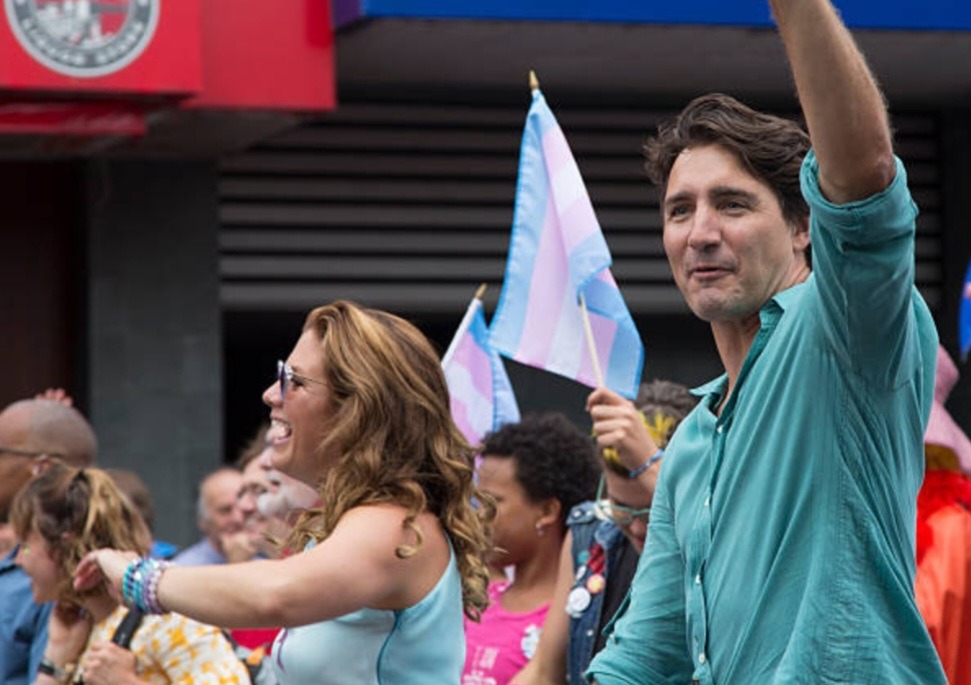

Canada’s charismatic prime minister, Justin Trudeau has announced his resignation after nearly a decade in power.
According to The BBC, his decision to step down comes amid mounting voter frustrations, internal party dissent, and a surging political rival. Trudeau’s exit signals the end of an era for the Liberal Party and poses questions about Canada’s political future.
Speaking outside Rideau Cottage, his official residence for much of the last nine years, Trudeau admitted that ongoing internal battles within the Liberal Party had weakened his ability to lead effectively.
“This country deserves a real choice in the next election”. He says.
Trudeau will remain prime minister until the party selects a new leader, with the next leadership vote expected in the coming months.
His Pull
Trudeau swept to power in 2015, revitalizing the Liberals with a progressive platform and youthful energy. His initial victory was historic, catapulting the Liberals from third place in parliament to a commanding majority. The son of former Prime Minister Pierre Trudeau, Justin’s ascent to power was marked by a global wave of optimism, casting him as a symbol of modern progressive politics.
However, over the years, the glow of his leadership faded. Ethics scandals, including the SNC-Lavalin affair and controversies involving luxury trips, tarnished his image. The early promise of bold leadership on issues such as Indigenous reconciliation and climate change was often overshadowed by criticisms of unfulfilled pledges and policy mismanagement.
A particularly damaging blow came in 2020 when Trudeau faced scrutiny for awarding a government contract to a charity with ties to his family. Coupled with a series of electoral setbacks—most notably the loss of the Liberal majority in 2019—his political fortunes waned. By 2021, a snap election designed to strengthen his mandate failed, leaving the Liberals in minority status.
The economic landscape further complicated Trudeau’s leadership. Rising inflation and cost-of-living increases strained Canadian households, and the government faced criticism for failing to address these challenges adequately. Missteps in managing immigration targets added to public discontent, with many viewing the government’s ambitious goals as poorly executed.
Internally, the Liberal Party began to fracture. Over the summer, the loss of traditionally safe Liberal seats in by-elections exposed the fragility of Trudeau’s hold on power. Meanwhile, public opinion polls showed a steep decline in support for the Liberals, with rival Pierre Poilievre, leader of the Conservative Party, gaining significant momentum.
Trudeau’s decision to prorogue parliament until March reflects a desire to give the Liberal Party space to regroup. However, the question remains whether the party can successfully distance itself from Trudeau’s brand.
A political strategist, Andrew Pérez noted, “The Trudeau name was a major aspect of the Liberals’ success—but that worked until it didn’t.”
The search for Trudeau’s successor has already begun, with names such as Chrystia Freeland, Anita Anand, and former central banker Mark Carney circulating as potential contenders. Whoever takes the reins will inherit a deeply divided party and a challenging political landscape, marked by voter fatigue and a rising Conservative wave.