
Come November 2025, Belém Brazil will host COP30, the United Nations climate summit expected to define the trajectory of global climate action. But the journey to Belém begins long before, with crucial debates on plastic pollution, climate finance, and legal frameworks set to dominate the year.
The 1.5°C Challenge: A Critical Crossroad
The mantra “Keep 1.5 Alive” has long been the battle cry of climate advocates, reflecting the ambition to prevent global temperatures from rising more than 1.5°C above pre-industrial levels. Scientists warn that surpassing this threshold would have catastrophic consequences for vulnerable nations, especially small island states like Tuvalu, which face the existential threat of disappearing beneath rising seas.
At COP30, nations will arrive armed with revised pledges to curb greenhouse gas emissions. This is part of the “ratchet mechanism” agreed upon in the 2015 Paris Agreement, requiring countries to progressively raise their climate ambitions every five years. Yet, as the UN points out, current commitments remain insufficient to avoid devastating warming scenarios.
Amazonian Spotlight
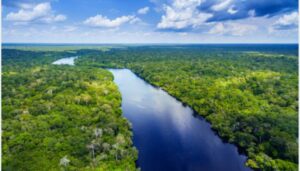
The decision to host COP30 in the heart of the Amazon rainforest carries profound symbolism. It harkens back to Brazil’s role in shaping global environmental policy during the 1992 Rio Earth Summit, which birthed landmark treaties on climate change and biodiversity.
The Amazon, often referred to as the “lungs of the Earth,” is a vital carbon sink that absorbs vast amounts of CO2. However, deforestation, illegal logging, and human encroachment have pushed this ecosystem to the brink. Protecting the Amazon isn’t just a regional concern—it’s a global imperative, and COP30 could bring renewed momentum to conservation efforts.
Finance: A Sticking Point in Climate Talks
Financing climate action remains one of the thorniest issues on the global stage. Developing nations argue that wealthier countries, historically responsible for the bulk of emissions, should shoulder a larger share of the cost to transition to cleaner economies. Meanwhile, developed nations contend that emerging economic powerhouses like China, now the world’s largest greenhouse gas emitter, must also contribute significantly.
A glimmer of progress was seen at COP29 in Baku, Azerbaijan, where nations agreed to triple climate finance to $300 billion annually by 2035. Still, this figure falls far short of the $1.3 trillion experts say is necessary. In June 2025, a Financing for Development summit in Spain will provide another opportunity to address this gap, with discussions expected to explore carbon pricing, green taxes, and new funding mechanisms.
During December 2024 hearings, over 90 countries and organizations, including global powerhouses like China and the U.S., presented their cases. Although the ICJ’s forthcoming opinion will be non-binding, it could shape the legal landscape of climate accountability, influencing future lawsuits and policies worldwide.
The Fight Against Plastic Pollution
Plastic pollution, a less-publicized but equally pressing environmental crisis, is set to take center stage in 2025. After years of negotiations, UN member states are edging closer to a legally binding agreement to combat plastic waste.
Key sticking points include the regulation of toxic chemicals in plastic production, the promotion of sustainable consumption, and financing solutions for waste management. With plastic now ubiquitous in oceans, food chains, and even human bodies, achieving consensus on these issues could mark a turning point in global environmental health.
As the clock ticks toward November 2025, the question isn’t just whether we can “keep 1.5 alive,” but whether we can unite to confront the most pressing challenge of our time.