Over 40 Million People Across West, Central Africa Are Struggling To Feed — UN

People are hurting from hunger pangs.
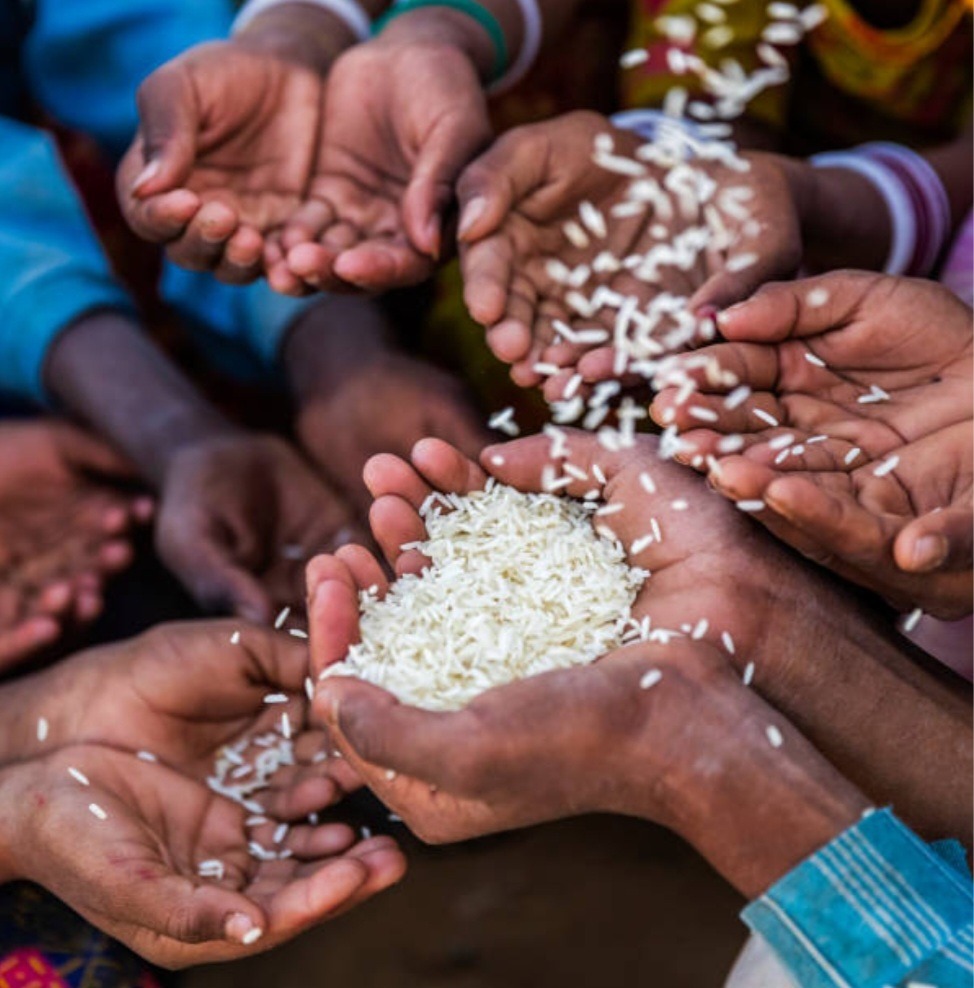
More than 40 million people across West and Central Africa are grappling with severe food insecurity during the 2024 post-harvest season, according to a report by the United Nations World Food Programme (WFP). The crisis is expected to deepen, with projections indicating that the number will rise to 52.7 million by mid-2025, including 3.4 million facing emergency hunger levels.
Despite a slight reduction in the overall number of acutely food-insecure individuals compared to last year, attributed to improved security and above-average rainfall in parts of the Sahel, the situation remains dire. The WFP’s Cadre Harmonisé food security analysis revealed a 70% surge in emergency hunger during the post-harvest season alone, exacerbating fears for the upcoming lean season in mid-2025.
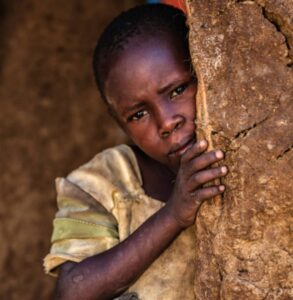
Countries like Nigeria, Cameroon, and Chad account for over half of the region’s food-insecure population, with forcibly displaced people bearing the brunt of the crisis. Unfortunately, more than 10 million individuals have been displaced across the region due to conflict, flooding, and economic instability. This displacement often severs people from their farms and grazing lands, making agriculture—a critical source of sustenance and income—impossible.
“Food insecurity in the region is driven by conflict, displacement, economic instability, and severe climate shocks,” said Margot van der Velden, WFP’s Regional Director for Western Africa.
“The vicious cycle of hunger in West and Central Africa can be broken, but it requires a fundamental shift in our approach.”
One of the most devastating climate impacts this year has been unprecedented flooding across Cameroon, Chad, Niger, Nigeria, and Sudan. These floods have displaced millions and claimed hundreds of lives, further disrupting agricultural productivity and livelihoods. In Nigeria alone, six million people have been directly affected, with many left homeless and unable to cultivate crops or raise livestock.
High food prices and limited purchasing power have compounded the crisis. In coastal nations like Senegal, Guinea, Sierra Leone, and Nigeria, the skyrocketing cost of living has made it impossible for many families to afford even basic nutritious food. These economic shocks have also worsened the nutritional status of children in the region.
In 2024, an estimated 16.3 million children in West and Central Africa suffered from acute malnutrition, with 5 million classified as severely malnourished. Recent nutrition surveys in the Sahel show a deteriorating situation, especially in remote and conflict-affected regions.
“Good nutrition in the early years of life is the bedrock of child survival, development, and future healthy adult life,” said Gilles Fagninou, UNICEF Regional Director.
“Every dollar invested in nutrition yields up to $16 in economic returns through improved health, enhanced education outcomes, and increased productivity throughout life.”
The UN and its partners have called for urgent and predictable funding to address immediate needs while building resilience for the long term. They emphasize the need for anticipatory actions, such as distributing locally produced fertilizers to smallholder farmers and implementing integrated resilience programs to mitigate the impact of future crises.
“The continuing deterioration of food security and nutrition, despite significant efforts by governments and partners, emphasizes the need for an urgent paradigm shift in response,” said Robert Guei, FAO Sub-regional Coordinator for West Africa.
To address the crisis, organizations like FAO, WFP, and UNICEF are scaling up interventions, including lifesaving food assistance and therapeutic feeding for malnourished children. They are also working with national governments to promote sustainable food systems and invest in resilience-building programs to lift communities out of poverty.
The stakes are particularly high for children under five, who are most vulnerable to the impacts of malnutrition. Ensuring a reliable supply of therapeutic food while addressing the root causes of hunger is critical to preventing a generational crisis.
As the region faces an uncertain future, the international community must act decisively to break the cycle of hunger, foster resilience, and secure a sustainable future for millions of people living on the brink of survival.