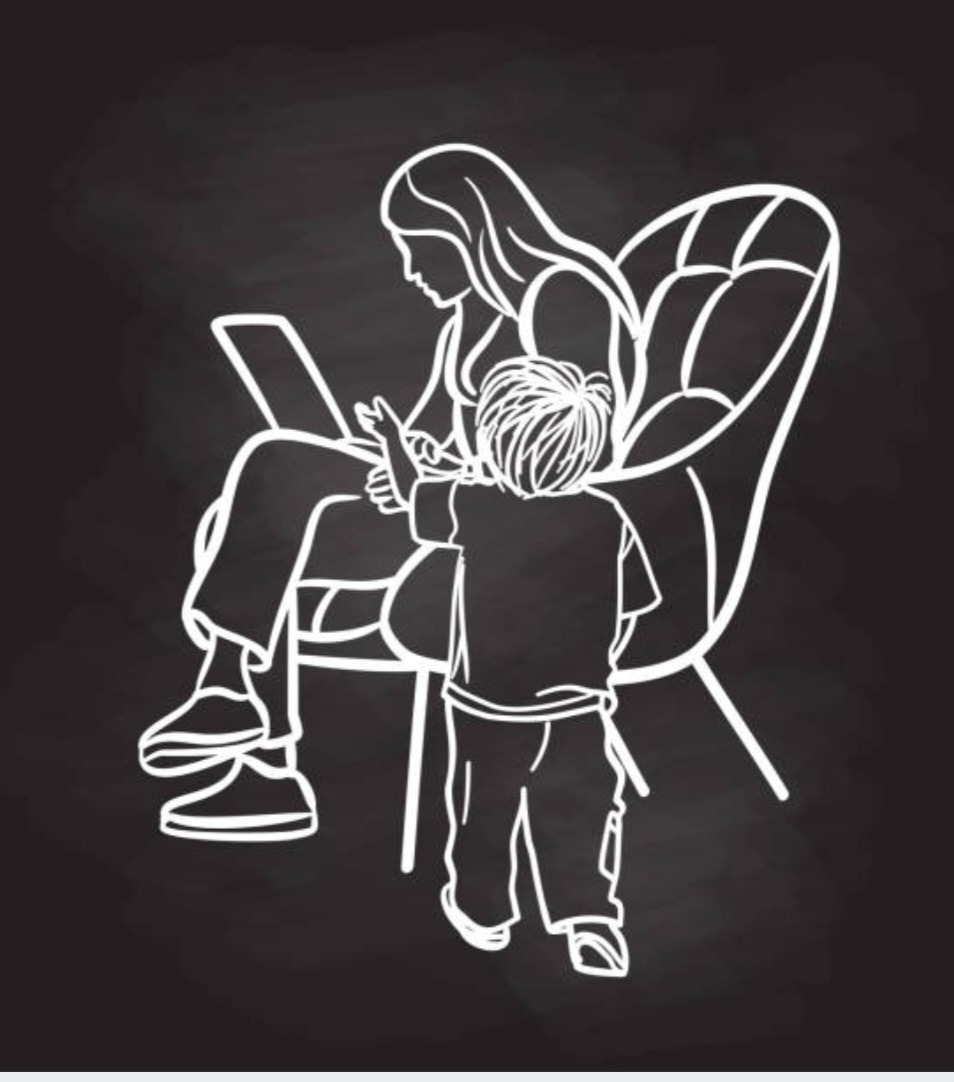
Protecting Children in the Age of Unregulated Social Media: A Call for Intentional Parenting

Social media is both a tool for connection and a minefield of risks, especially for children. With unrestricted access, kids are exposed to unfiltered content that can harm their mental health and social development. To this end, experts stress the urgent need for parents to adopt proactive strategies to shield their children from potential dangers while fostering responsible online habits.

The Risks of Early and Excessive Social Media Use
Studies highlight several risks associated with social media, including increased anxiety, depression, and exposure to harmful viral trends. For example, research from Johns Hopkins reveals that excessive social media use can alter brain regions tied to emotional regulation and impulse control. Additionally, cyberbullying and unrealistic comparisons fueled by curated online lives contribute to declining self-esteem among children.
Expert Recommendations
- Parental Modeling: Parents should exhibit healthy social media habits themselves. Children are more likely to emulate observed behaviors than follow verbal instructions.
- Age-Appropriate Introduction: Platforms like Instagram and TikTok require users to be 13 or older, but many younger children still access them. Parents should assess their child’s maturity before allowing social media use and consider implementing trial periods to monitor engagement.
- Monitoring and Filters: Employ tools to oversee and filter content consumed by children. This includes using apps to set screen time limits and block inappropriate materials.
- Open Communication: Regular discussions about online experiences help children navigate the complexities of digital spaces. Address topics like cyberbullying, privacy, and the potential consequences of participating in harmful trends.
- Encourage Balanced Activities: Replace excessive screen time with activities that promote physical health and social interaction, such as sports, outdoor play, or family game nights.
Educators and Community Involvement
Experts like child psychiatrist Dr. Nicole Katzenstein recommend that schools and community groups also play a role in educating children about responsible internet use. Collective efforts can ensure broader exposure to tools and habits that counteract the negative impacts of social media.
Children quickly model what they see, hear, and observe. This influence could come from their parents, friends, or, increasingly, the internet.
To worsen the situation, many parents barely have the time to monitor what their kids are exposed to at any given moment.
A mediapreneur and lifestyle trainer, Blessing Akomolafe expects that parents, as a child’s first point of contact, should instill good values and provide clear guidelines for responsible social media use. She further cited proper monitoring as one of the practical ways parents can protect their children from unsafe materials online.
According to research, excessive screen time and unrealistic expectations stemming from unfiltered social media content can lead to increased risks of anxiety and depression.
In reality, most social media apps require users to be at least 13 years old. However, data-based studies reveal that nearly 40% of children aged 8 to 12 and 95% of children aged 13 to 17 use social media apps, potentially exposing them to risks at a young age.
To add more perspective, it is almost impossible to stop children from using social media because of its prevalence and role in modern communication. However, the focus should be on curating platforms that prioritize educational and informative content over unhealthy or unproductive materials.
Spending time on social media has become an integral part of life for both young and old across the globe. However, when misused, it can significantly distort the perception, insight, and thought processes of teenagers who are still in their formative years.
The Way Forward
While it is impractical to completely ban children from social media in today’s interconnected world, parents and caregivers can take steps to mitigate risks. Intentional parenting, coupled with guidance from educators and mental health professionals, can help create a safer digital environment for the next generation.