Experts Chart Course for Tackling Nigeria’s Climate and Food Security Crisis

Sipo Olaotan
The climate is crushing our food. What do we do?
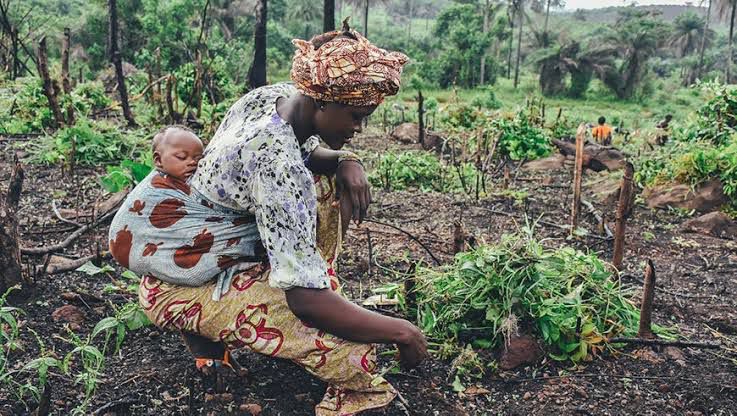
The United Nations predicts that by 2030, 82 million Nigerians—roughly 64% of the country’s population—may starve to death.
In May 2024, Nigeria’s food inflation rate reached a record high of 40.66 percent, according to the National Bureau of Statistics. This surge addresses the largest year-on-year growth in food costs since records started in 1996.
Against this backdrop, experts from different sectors are suggesting innovative and data-driven solutions to address the current wave of climate crisis and food insecurities in Nigeria and by extension, Africa.
Recently, at the MDC 2024 summit, specialists deliberated on actionable strategies to address the escalating crises, highlighting the crucial role of technology, policy reform, and private-sector engagement in securing the nation’s food supply.
The discussions centered on integrating climate-smart agriculture with cutting-edge data analytics to optimize farming ppractices. As such, advocates stressed the importance of de-risking mechanization models, enabling farmers to adopt advanced tools without excessive financial burdens. A robust public-private partnership framework emerged as a recurring theme, underscoring the need for sustained investment in the agricultural value chain.
Some of them also pointed to the critical link between climate change mitigation and agricultural resilience. With climate-related shocks increasingly destabilizing farming communities, the need for climate adaptation programs was emphasized as a foundation for sustainable food systems. The call for policies that promote reforestation, renewable energy, and sustainable land use was loud and clear.
Data Banks
Data-driven approaches were championed as transformative tools to enhance efficiency and productivity. Experts argued for harnessing satellite technology, artificial intelligence, and precision agriculture to provide real-time insights to farmers. These tools, they said, can help mitigate risks, predict weather patterns, and boost yields in a cost-effective manner.
Nigeria’s food security crisis, compounded by climate change, was attributed to outdated farming practices, poor mechanization, and insufficient investment. Stakeholders therefore urged the government to address these challenges head-on, emphasizing that achieving food security requires prioritizing rural infrastructure, credit access, and education for smallholder farmers.
What must be done
In light of these challenges, a panelist from the Guardian forum proposed a de-risked mechanization model to bridge the gap between innovation and adoption. This model involves subsidizing equipment and creating co-ownership opportunities for farmers, reducing operational costs and improving access to modern farming tools.
The discussions also extended to international collaboration. Experts emphasized the need for Nigeria to engage with global partners in addressing climate change and food security, leveraging opportunities for knowledge exchange, technology transfer, and funding from global climate initiatives.
There was also the urgency to mainstream youth involvement in agriculture. By introducing tech-based agribusiness models and vocational training, experts believe Nigeria can attract younger generations into farming, ensuring long-term food security and economic growth.
The role of digital platforms in fostering information exchange was another highlight. Experts argued for creating centralized platforms where farmers can access resources, share best practices, and market their produce, thereby streamlining the agricultural supply chain.
Experts at the MDC 2024 summit cautioned that failing to act decisively could deepen the nation’s vulnerability to climate shocks and food crises.