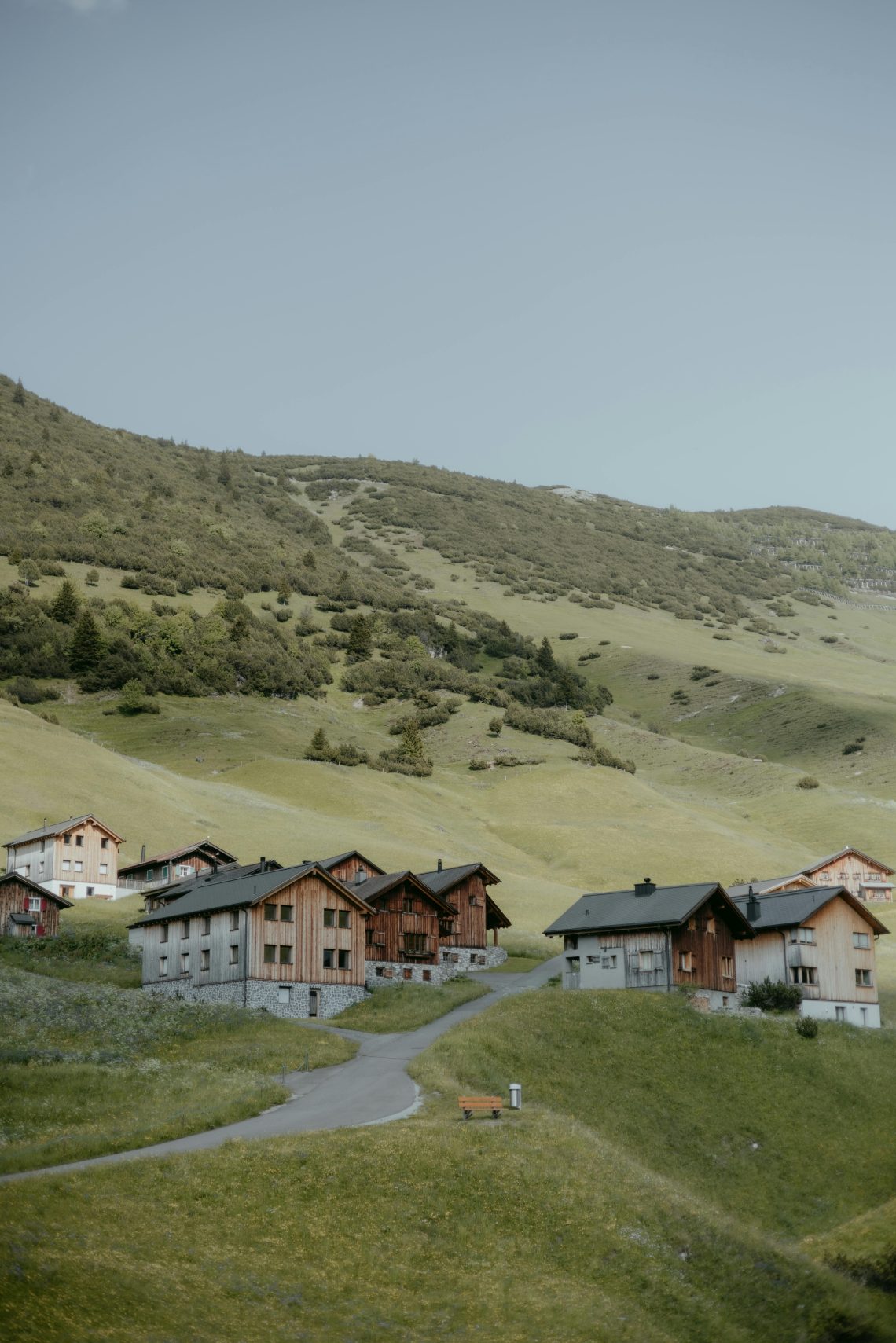

Albania is a country of stunning natural beauty, rich history, and welcoming culture. Yet, despite these attributes, it remains one of Europe’s least-visited destinations, overshadowed by its more famous neighbors like Greece, Italy, and Croatia. But for those willing to venture off the beaten path, Albania offers unparalleled rewards.
Tucked into the Balkans, Albania’s most alluring features is its pristine coastline along the Adriatic and Ionian Seas. The Albanian Riviera boasts crystal-clear waters, hidden beaches, and charming villages like Ksamil and Himarë. Visitors can experience the serenity of Mediterranean beauty without the bustling crowds of more mainstream coastal destinations.
Beyond the beaches, Albania’s rugged interior offers breathtaking landscapes. The Accursed Mountains, known locally as the Albanian Alps, are a haven for hikers and adventurers. The Theth and Valbona valleys provide dramatic scenery, from jagged peaks to cascading waterfalls, offering unforgettable trekking experiences.
For history enthusiasts, Albania is a treasure trove. Ancient ruins like Butrint, a UNESCO World Heritage Site, showcase layers of Greek, Roman, Byzantine, and Ottoman influence. Meanwhile, the cities of Berat and Gjirokastër, also UNESCO-listed, are living museums of Ottoman architecture, with their stone houses and cobbled streets.
Why are Tourists less interested?
Despite its wealth of attractions, Albania remains largely undiscovered, in part due to lingering stereotypes from its isolationist communist past. While Albania opened its borders in the 1990s, it has taken time for its tourism industry to catch up. Infrastructure remains underdeveloped in some areas, and fewer promotional campaigns mean Albania is often overlooked by international travelers.
However, these very factors make Albania a unique destination for those seeking authenticity. Visitors often remark on the genuine hospitality of Albanians, who are eager to share their culture and cuisine. Dishes like byrek (savory pie), tave kosi (baked lamb with yogurt), and fresh seafood reflect the country’s Mediterranean and Balkan heritage.
Tirana, the capital, is another surprise. Vibrant and colorful, it’s a city in transformation, blending its communist-era relics with modern cafes, art galleries, and a lively nightlife. Landmarks like Skanderbeg Square and the Bunk’Art museums offer insights into Albania’s complex history and its journey toward modernization.
Albania’s affordability also sets it apart. Travelers can enjoy high-quality experiences—be it dining, accommodations, or activities—at a fraction of the cost compared to other European destinations.
With more direct flights and improved infrastructure, Albania is slowly gaining recognition. Yet, it remains a destination that feels like a well-kept secret. For those who value unspoiled landscapes, rich heritage, and genuine connections, Albania offers an experience that’s increasingly rare in today’s over-touristed world.